Overdrive Logistics warns of tightening freight market as shippers face rate pressure
The Chattanooga-based brokerage detected early signs of a market shift in November, urging shippers to secure contract rates for high-service lanes before further tightening into 2027.
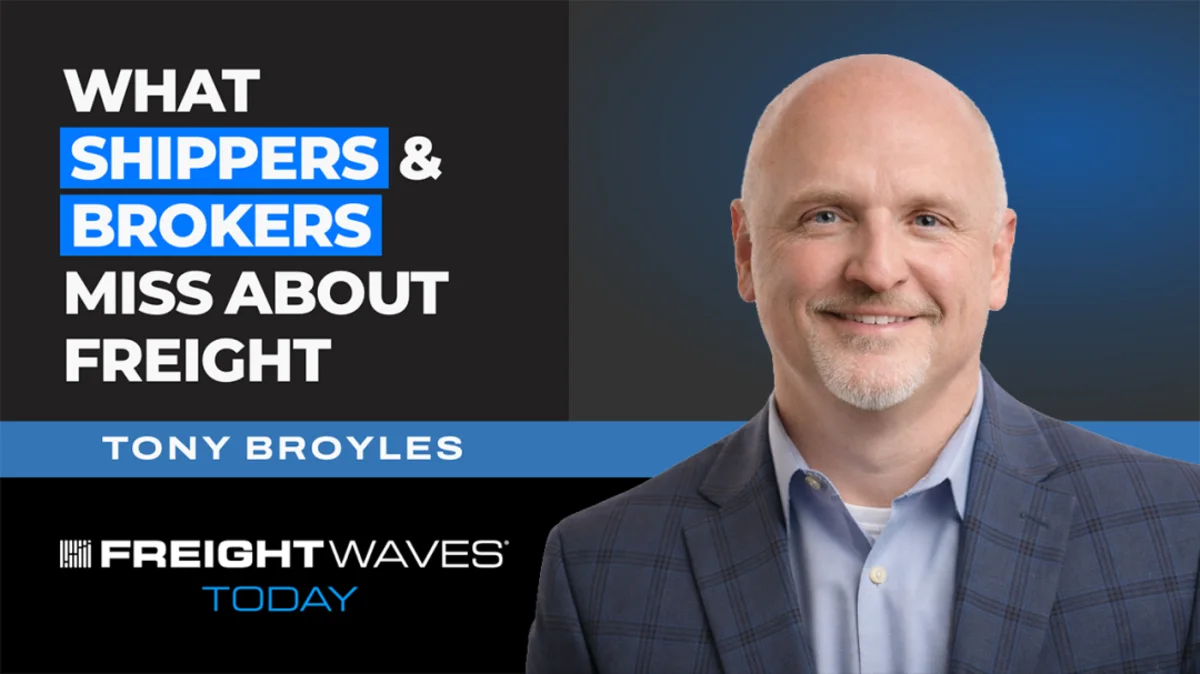
Tony Broyles, Director of Business Development at Overdrive Logistics, has warned that the freight market is tightening, a shift his firm detected earlier than most industry peers. Broyles stated that the Chattanooga-based brokerage identified early signs of the change in November, with rate pressure confirmed by February. He attributed the delayed recognition across the wider industry to a lack of baseline knowledge among logistics professionals who entered the field post-COVID, many of whom have no reference point for what a normal or tightening market looks like.
Broyles, who has experience on both the shipper and broker sides of the business, advised shippers to lock in contract rates for high-service, appointment-sensitive lanes while leaving genuinely flexible, low-frequency freight on the spot market. He cautioned against the multi-broker bid-down strategy, noting that the approach of having multiple brokers compete for the cheapest rate no longer works effectively in the current environment. He warned that forcing contract rates onto loads that move only once a month burns carrier and broker relationships without delivering real savings.
The firm’s advice comes as it looks to secure capacity through the rest of the year and into 2027. Broyles argued that the old playbook of relying solely on spot rates is insufficient for capacity-critical lanes. He emphasised that shippers must prioritise contract commitments now to avoid the risk of further tightening, a view grounded in Overdrive’s long-term presence in the market.
Overdrive Logistics, which has been in business for 28 years, has built its model around long-term relationships. The firm’s top 10 customers average roughly 19 years of tenure, with some having stayed for the full duration of the company’s existence. Broyles argued that this relationship depth provided the brokerage with pattern recognition that purely transactional shops lacked heading into the current cycle, allowing them to anticipate the shift in market dynamics.
On the operational front, Broyles said Overdrive implemented enhanced carrier vetting measures before freight fraud gained wide industry attention. The process now includes collecting photos of drivers’ licenses and images of drivers standing beside their cab door showing their MC number, captured in real time. The firm also uses the carrier-vetting platform Highway and requires a follow-up phone call to a validated number to confirm booking authorization.
“We have humans talking to humans,” Broyles said. “We’re not dispatching with AI.” He acknowledged that AI-generated identity fraud is a growing concern but said real-time, conversational vetting helps catch anomalies that automated systems might miss. This includes asking drivers to hold up a specific number of fingers on camera to verify their identity. The brokerage is also more selective about open load board postings, preferring to move consistent freight through established carrier relationships without posting publicly.