Transatlantic friction deepens as Trump administration reviews troop reductions in Germany, Italy and Spain
German Chancellor Friedrich Merz accused the administration of lacking a convincing strategy, prompting a response from Donald Trump that questioned the host nations' commitment to the war effort.
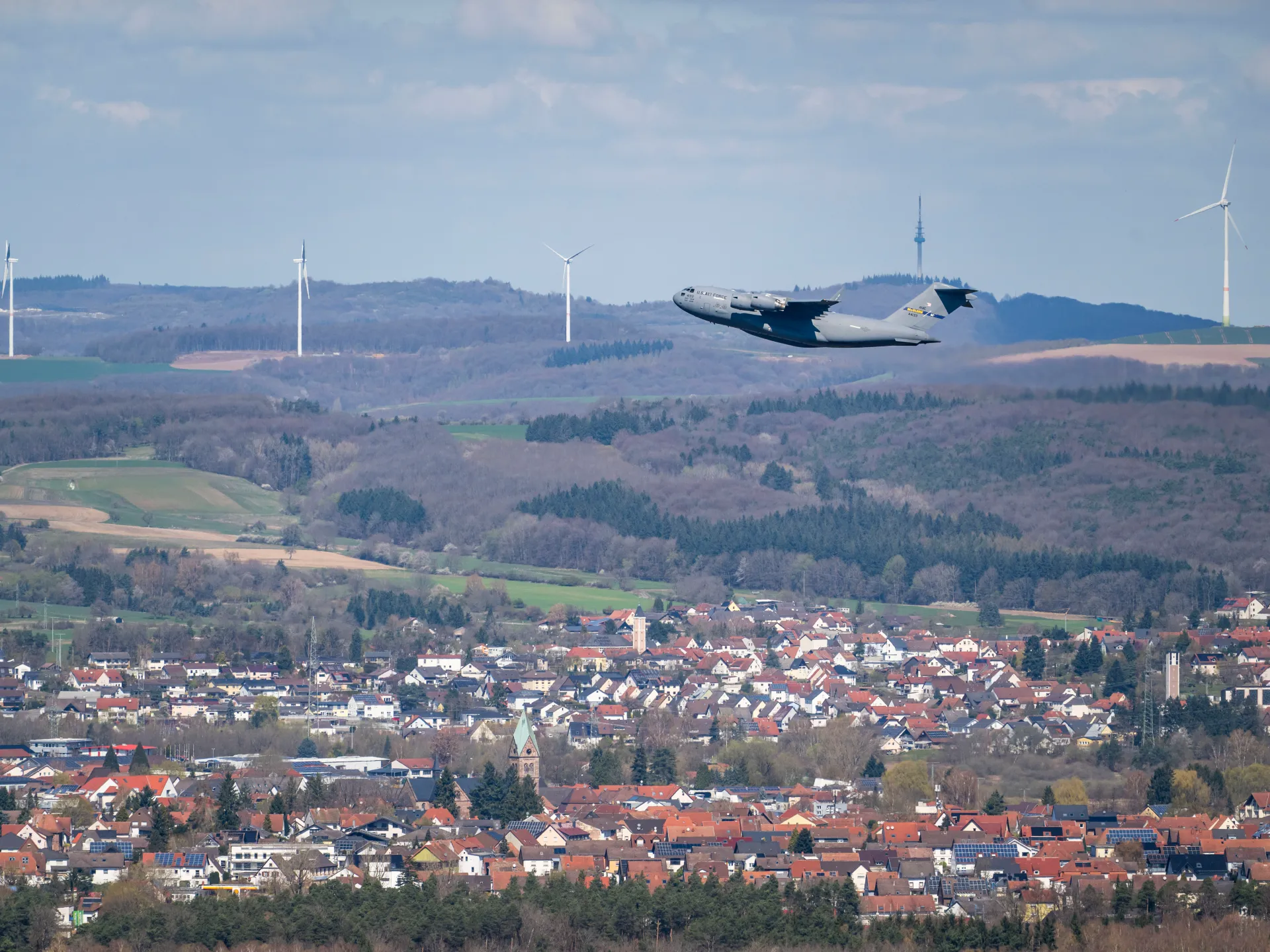
Donald Trump has publicly indicated that the United States is reviewing the possibility of reducing troop levels in Germany, Italy and Spain. This announcement follows a diplomatic row where European leaders criticised the Trump administration's handling of the ongoing war with Iran. The potential reduction faces immediate legal and political hurdles, including a 2026 National Defense Authorization Act provision that bars permanent troop levels in Europe from falling below 75,000.
The immediate trigger for these threats is European criticism regarding the US strategy in the conflict, which began on 28 February. German Chancellor Friedrich Merz accused the administration of lacking a convincing strategy to end the war, stating that the conflict is costing Germany significantly and impacting economic output. In response, Trump escalated tensions by questioning Merz's stance on nuclear weapons, posting on Truth Social that the Chancellor thinks it is acceptable for Iran to possess a nuclear weapon.
When pressed on the specific implications for Italy and Spain, Trump indicated he would probably withdraw forces from those nations as well. He cited a lack of assistance from Italy and described Spain's behaviour as absolutely horrible. These comments come after Trump previously threatened to withdraw 12,000 troops from Germany in 2020, a move that was blocked by Congress and later reversed by President Biden.
As of December 2025, the US had approximately 68,064 active-duty personnel in Europe, with roughly 53,000 stationed in Germany, Italy and Spain combined. The US military presence in Europe dates back to World War II and serves as a critical logistical hub for operations in the Middle East, including the current conflict in Iran. Host nations typically provide rent-free land and local staff for US bases, sharing the financial burden of stationing forces.
The 2026 National Defense Authorization Act contains a specific provision prohibiting permanent US troop levels in Europe from falling below 75,000. This legislative barrier complicates any attempt to permanently reduce the footprint in the region below the current threshold. Recent transatlantic relations have also been strained by issues including tariffs, the Greenland acquisition push, and Ukraine aid cuts, alongside the current Iran conflict.
The US–Israeli war on Iran has disrupted shipping in the Strait of Hormuz, causing global economic concerns. Trump continues to publicly criticise leaders in Europe for not supporting the US in the war, including British Prime Minister Keir Starmer and Italian Prime Minister Giorgia Meloni. Despite the rhetoric, the decision to reduce troops remains subject to the complex interplay between executive authority and Congressional oversight.