Transatlantic friction deepens as Rome rejects US military access and condemns remarks on the Pope
Prime Minister Giorgia Meloni and Secretary of State Marco Rubio attempt to stabilise ties after disputes over the Sigonella airbase and President Trump's comments on Pope Leo
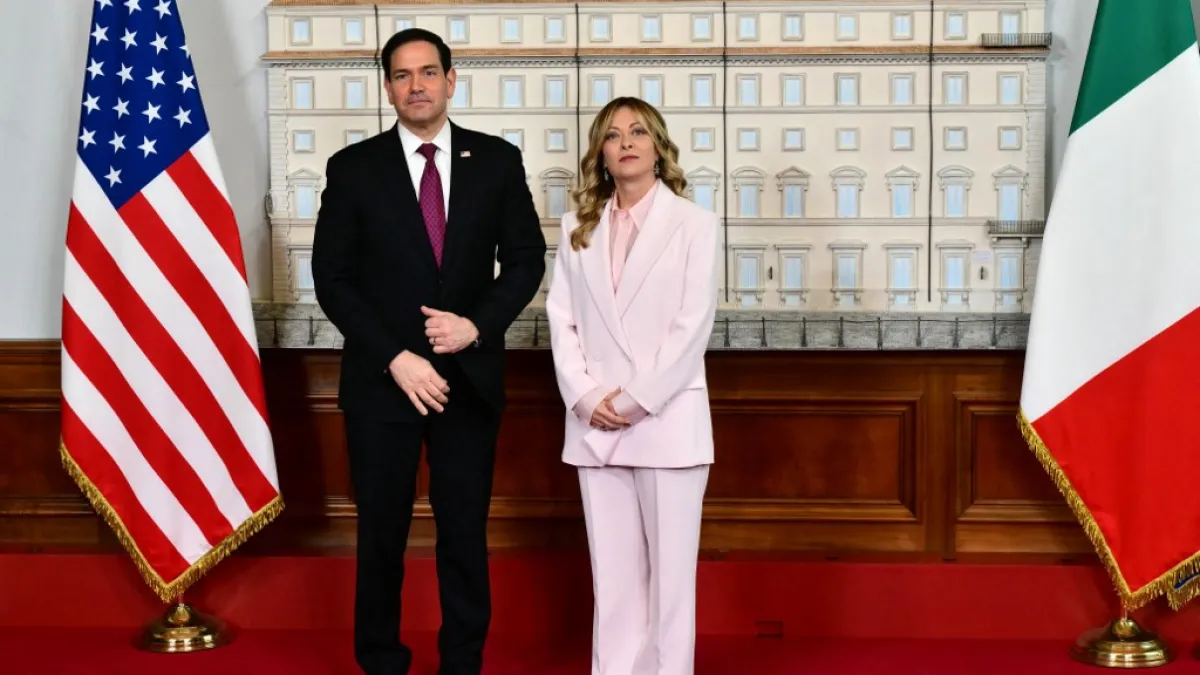
Tensions between Rome and Washington have intensified following a high-stakes meeting between Italian Prime Minister Giorgia Meloni and United States Secretary of State Marco Rubio in the capital. The discussions, described by Italian Foreign Minister Antonio Tajani as constructive, were intended to address a series of escalating diplomatic frictions that threaten the stability of transatlantic relations.
The core of the dispute centres on Italy's refusal to support the United States and Israel in their military campaign against Iran. This disagreement has manifested concretely in the denial of access for US aircraft to the Sigonella airbase in Sicily for combat operations, a move Rome has maintained despite pressure from Washington.
Compounding the strategic disagreement is significant backlash over recent remarks made by US President Donald Trump regarding Pope Leo. While Secretary of State Rubio described his subsequent meeting with the pontiff as very positive, Prime Minister Meloni condemned the President's comments as unacceptable, highlighting a deep cultural and political divide within the predominantly Catholic nation.
Italian Defence Minister Guido Crosetto has warned that the ongoing conflict risks undermining United States global leadership and raised specific concerns regarding the potential for nuclear escalation. These warnings underscore the seriousness with which Rome views the current geopolitical landscape and the limitations of its ability to engage directly in the Gulf conflict.
Meloni has publicly stated that she will not support any United States decision to reconsider its military presence in Italy, despite warnings from President Trump that such a move could be made. She acknowledged that the ultimate authority on troop deployments lies with Washington, but her government remains firm in its opposition to expanding the conflict.
Analysts suggest that Meloni's close ties to President Trump could become a political liability ahead of Italy's national elections next year as domestic opposition to the war grows. As the dispute continues, Italy finds itself balancing its strategic alliance with Washington against mounting domestic pressure and the broader geopolitical uncertainties surrounding the Iran conflict.