Tragedy in the skies: passenger plane crashes southwest of Juba, killing 14
All 14 people on board a passenger aircraft perished in the crash near the capital on 28 April, prompting urgent questions regarding regional aviation security and infrastructure resilience.
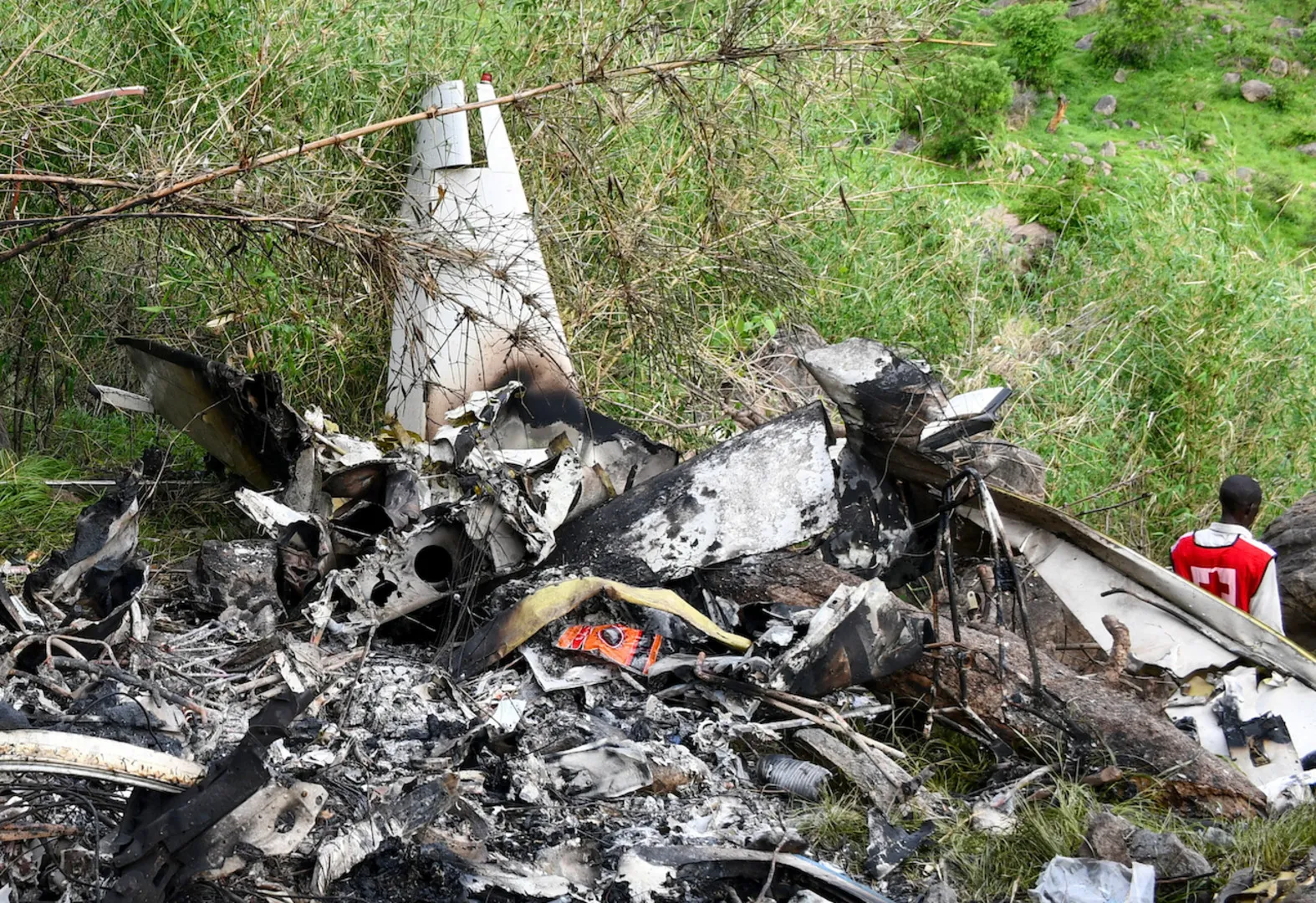
A passenger aircraft crashed southwest of Juba, the capital of South Sudan, resulting in the deaths of all 14 individuals on board. The incident, which occurred on 28 April 2026, marks a significant loss of life and highlights the ongoing risks associated with air travel in the region.
The crash site is located in the area southwest of the capital city, though specific details regarding the exact time of the impact or the nationality of the passengers and crew remain unconfirmed. Authorities have not yet released a preliminary report detailing the mechanical or operational factors that led to the disaster.
This event occurs against a backdrop of recurring concerns regarding aviation safety in South Sudan, a nation often described as operating within a challenging environment. The country's reliance on imported fuel and food from the Gulf region, combined with broader global economic shocks, has strained national resources and infrastructure, potentially impacting the maintenance and operational standards of critical transport sectors.
While the immediate cause of the crash remains under investigation, the tragedy serves as a stark reminder of the vulnerabilities facing aviation in the Global South. Ongoing regional conflicts and the resulting disruption to remittance flows and essential commodity prices have exacerbated economic pressures, creating a complex context in which such incidents can occur.
As news of the fatalities spreads, the focus now shifts to the official inquiry that must determine the precise circumstances surrounding the accident. Until an investigation report is released, claims regarding the specific nature of the failure must be treated with caution, relying instead on the confirmed facts of the location and death toll.
The incident underscores the critical need for robust safety protocols and international cooperation to address aviation risks in areas with limited resources. For the families of the victims and the wider community, the loss of life represents a profound human cost that demands a thorough and transparent examination of the events leading to the crash.