Trade talks collapse as US sets 50 per cent tariff on Canadian autos and steel
The US President has announced a significant escalation in the bilateral dispute, stating that duties on Canadian vehicles and steel will double from 1 January 2027 after weekend negotiations broke down.
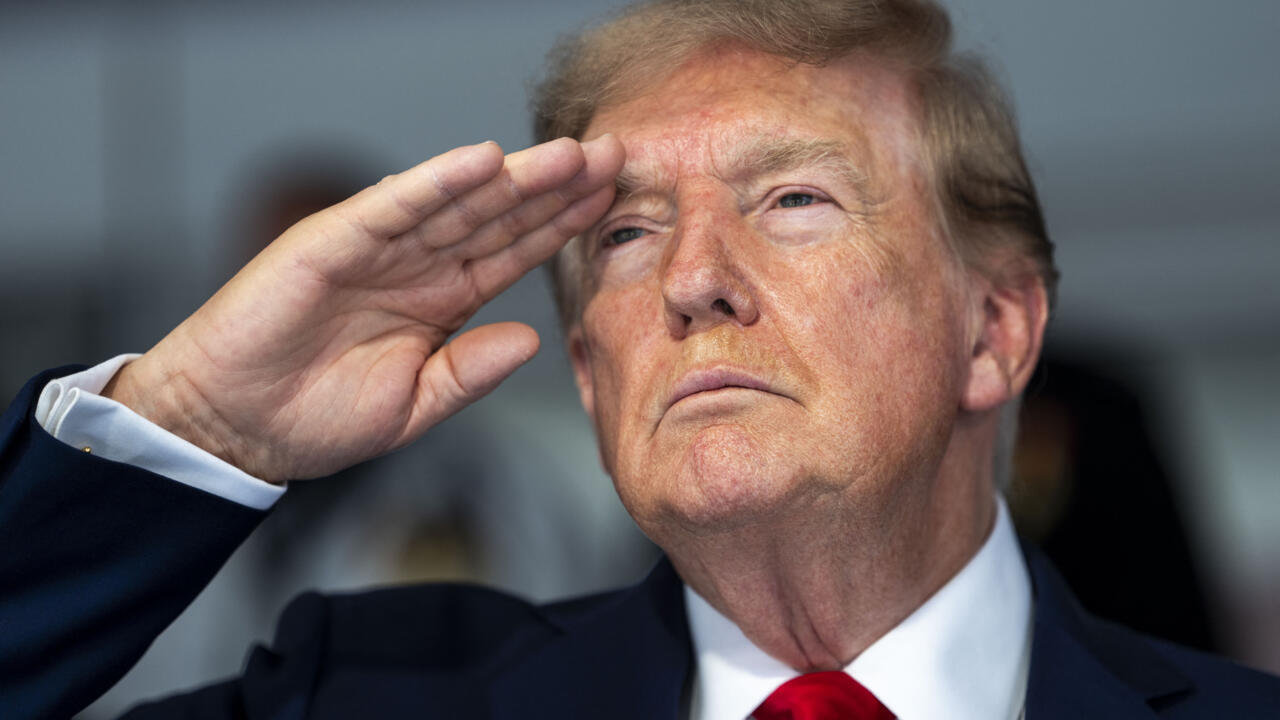
US President Donald Trump has announced that tariffs on all Canadian cars, trucks, automotive parts and steel will increase to 50 per cent from 1 January 2027. The announcement, made via the Truth Social platform on Monday, follows the collapse of trade negotiations between the two nations over the weekend. In his statement, Trump asserted that the United States no longer “needs” Canada, marking a sharp departure from the traditionally cooperative relationship between the neighbours.
The move escalates an ongoing trade dispute after the US imposed 50 per cent duties on select Canadian goods, which took effect on Saturday following a three-day delay. These initial duties affect approximately 5.5 per cent of Canadian exports to the US, valued at $20 billion. The White House cited “discriminatory treatment” by Canada regarding US alcohol, automobile and dairy products as the basis for the earlier measures.
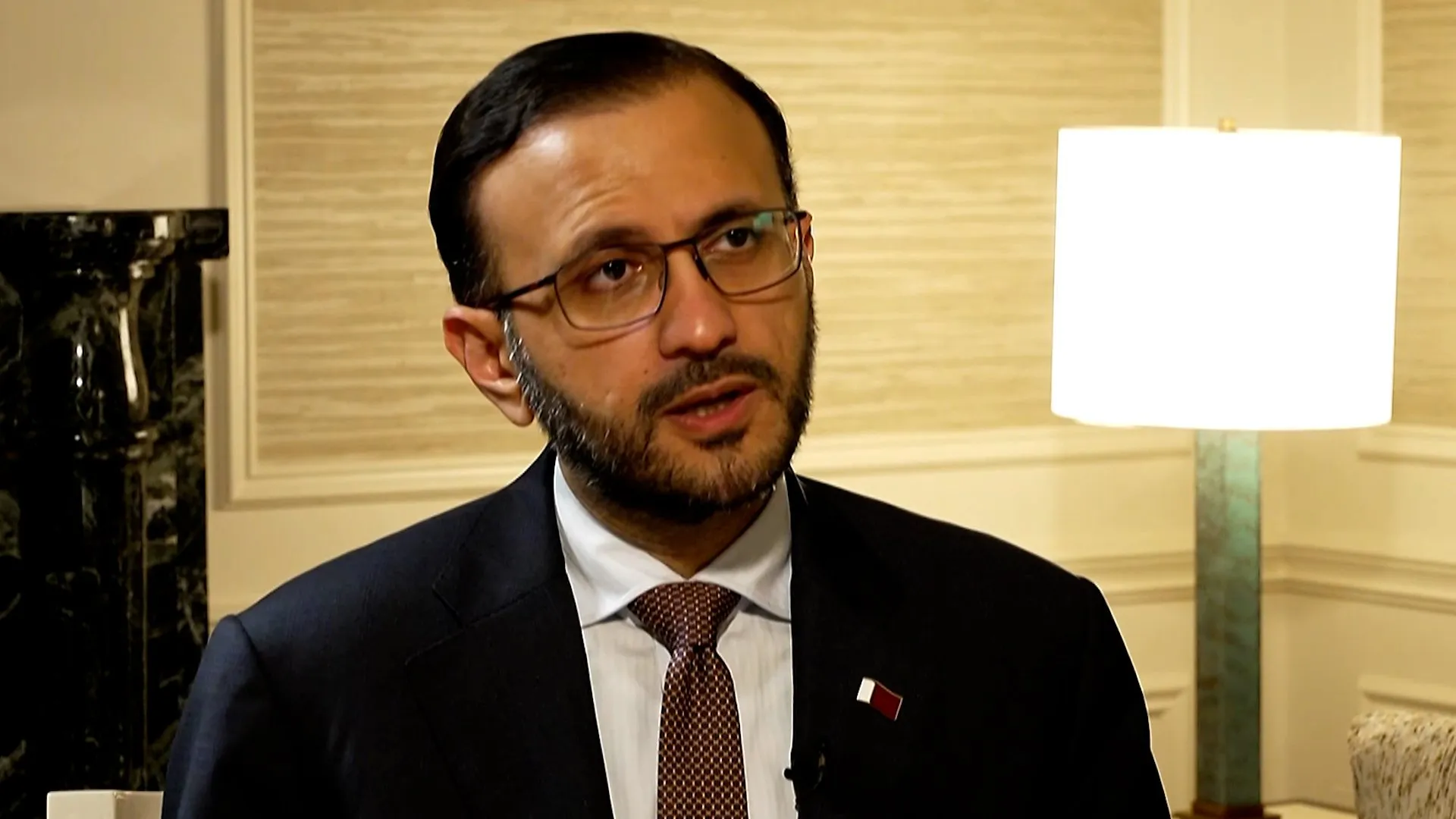
Canadian Prime Minister Mark Carney responded by announcing retaliatory tariffs, describing the proposed US deal as “bad” and accusing Washington of using “economic integration as a weapon”. Carney stated that the US had added last-minute terms that would restrict Canada’s ability to strike trade deals with other countries and weaken protections for language, culture and sovereignty. He described these demands as “unacceptable”, noting that Canada had been willing to drop remaining retaliatory tariffs on steel, aluminium and autos if the US substantially lowered its own.
US trade representative Jamieson Greer stated that the administration was compelled to act after a year of Canadian retaliation. Greer told Fox & Friends Weekend that the US was offering to cut tariffs on steel, autos and lumber, arguing that Canada “didn’t want that” and that the US was moving forward with measures to protect American workers and supply chains.
The breakdown in negotiations now casts doubt on the future of the North American trade agreement, which covers the United States, Canada and Mexico. Carney said the failed talks were “certainly not good news” for the review of that agreement. The two countries traded $880 billion worth of goods and services in the previous year, and the dispute threatens a relationship that has historically involved decades of wrangling over issues such as softwood lumber and dairy markets.
Ontario Premier Doug Ford praised Carney for rejecting the deal, urging Canada to use “every tool in our toolbox” to fight the US tariffs. Ford noted that the rejected agreement would have hurt Ontario’s auto, steel and manufacturing sectors. Carney concluded that Canada had recognised that “America has changed” and that the two countries would “not return to our old relationship”.