Total solar eclipse casts brief shadow over northern Spain as millions witness partial event
France 24 reports that parts of northern Spain will experience totality as the Moon blocks the Sun, while observers across Europe, Canada, the northern United States, and northwest Africa see a partial eclipse.
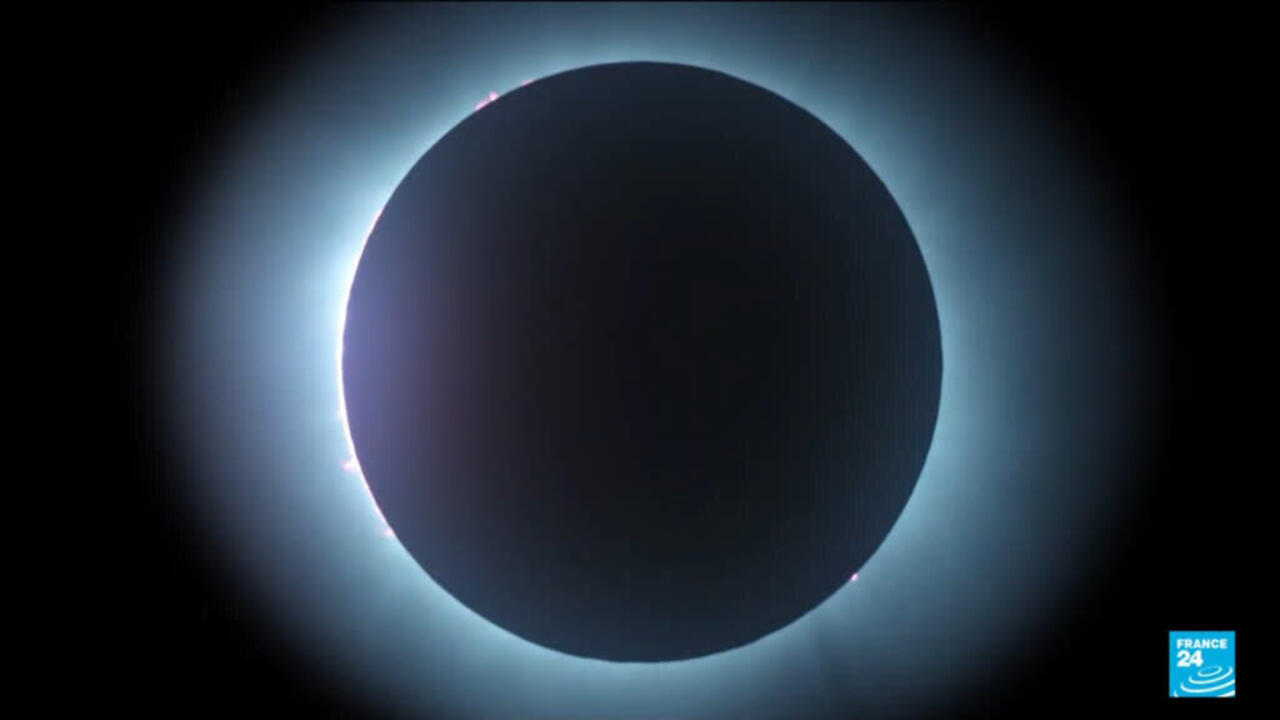
A rare total solar eclipse is imminent, with parts of northern Spain set to experience a brief transition from day to night as the Moon obscures the Sun. According to France 24, the celestial event is expected to occur within hours of the initial reporting, marking a significant astronomical occurrence for the region.
Beyond the immediate spectacle in Spain, millions of people across Europe, Canada, the northern United States, and northwest Africa are positioned to witness a partial eclipse. The widespread visibility of the event has drawn considerable attention from the public and media alike.
The influx of visitors for the eclipse has generated a significant surge in tourism across the affected regions. This concentration of observers has placed considerable strain on local infrastructure, presenting logistical challenges for regional authorities tasked with managing the influx.
Scientists are utilising the occasion to study phenomena such as the Sun’s corona and animal behaviour. The event offers valuable insights into the Sun and the universe, providing researchers with opportunities to gather data that may not be accessible under normal conditions.
While the technical aspects of viewing the event via digital platforms require specific browser settings, the focus remains on the scientific and observational significance of the eclipse. The event serves as a critical moment for both public engagement with astronomy and professional scientific inquiry.
As the eclipse unfolds, the dual narrative of scientific discovery and logistical management continues to define the coverage. Authorities in northern Spain and other affected areas are navigating the demands of hosting millions of spectators while facilitating access to the unique astronomical conditions.