Toronto records worst global air quality as wildfire smoke blankets city
Wildfire smoke has driven pollution levels to critical heights in Toronto, with the city surpassing other major urban centres in air quality indices on Wednesday.
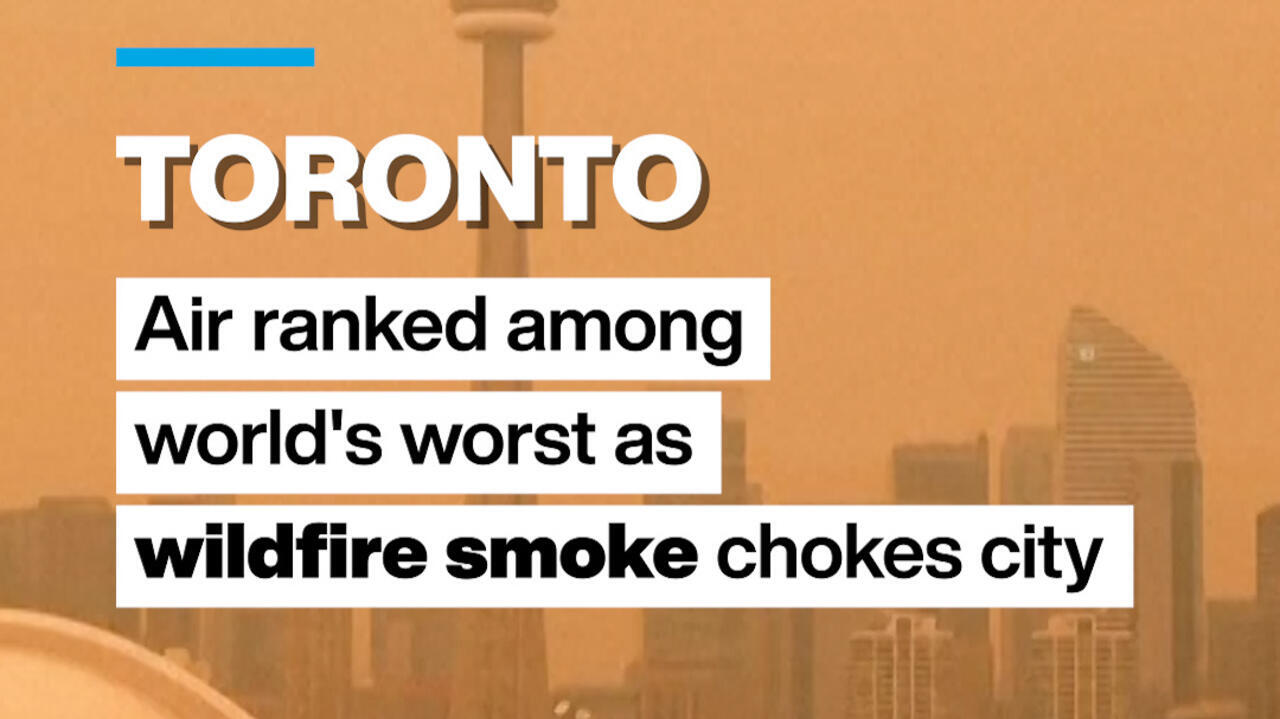
Smoke from wildfires has blanketed Toronto, turning the skies a hazy yellow and causing pollution levels to soar across Canada’s largest city. The environmental conditions have been severe enough to push the city to the top of global air quality rankings for poor conditions, according to data released by the Swiss monitoring firm IQAir.
On Wednesday, Toronto recorded the worst air quality of any major city in the world, according to the firm. The data indicates that the Canadian city surpassed other urban centres typically cited for high pollution levels, including New Delhi and Kinshasa, in the specific metrics used for the ranking.
The deterioration in air quality is attributed to smoke blown in from wildfires affecting the region. The visual impact of the smoke has been significant, with the city’s atmosphere described as hazy and yellow, reflecting the high concentration of particulate matter in the air.
IQAir, a Swiss firm that monitors global air quality, provided the specific ranking data that placed Toronto at the top of the list for the worst air quality among major cities. The firm’s methodology defines which cities are included in the ranking, a factor that contributes to the subjective nature of the "major city" classification used in the report.
While New Delhi and Kinshasa are frequently referenced in discussions regarding urban pollution, Toronto’s ranking on Wednesday marks a notable shift in the global air quality landscape. The event highlights the impact of transboundary smoke on urban environments, even in cities not traditionally associated with such extreme pollution levels.
The specific locations of the wildfires generating the smoke have not been detailed in the available reporting. However, the blanket of smoke across the city has resulted in soaring pollution levels, prompting the current air quality warnings and rankings.