Top-10 tennis players threaten Grand Slam boycott over revenue dispute
The four-time Grand Slam champion states that a boycott is the only remaining option to secure player entitlements, though peers remain divided on the tactic
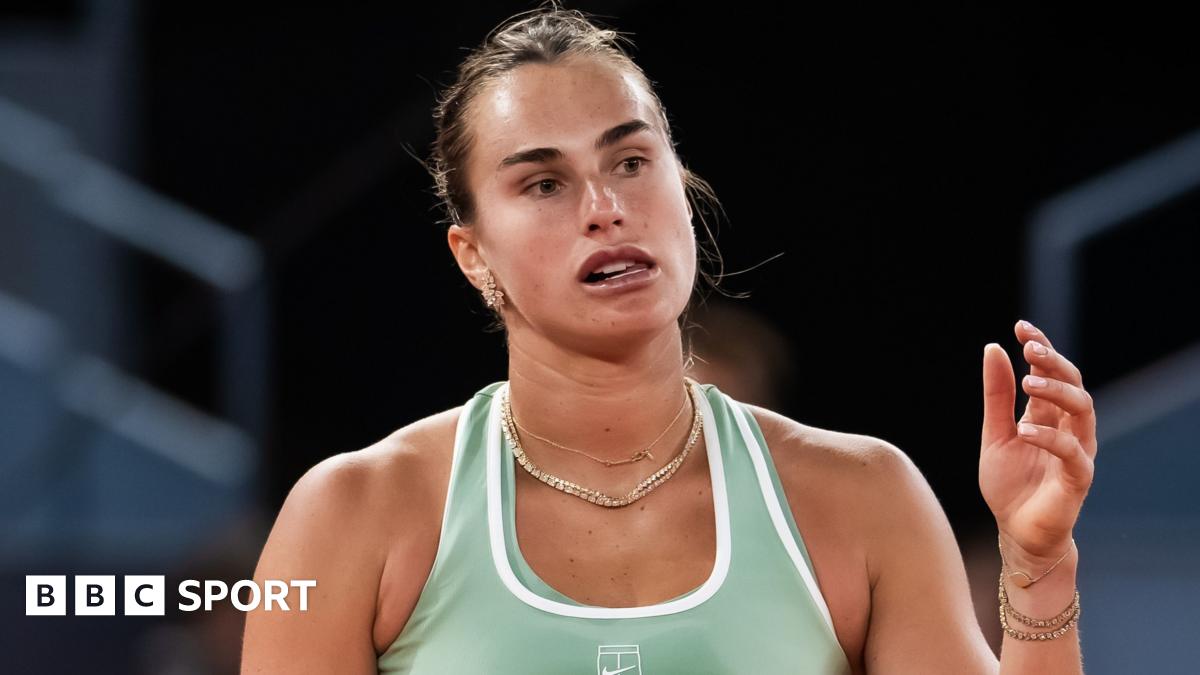
World number one Aryna Sabalenka has publicly indicated that top tennis players will boycott a Grand Slam tournament at some point to fight for their rights regarding prize money and scheduling. Speaking to the media in Rome prior to the Italian Open, the four-time major champion marked a significant shift in tone, moving from previous circumspection on the subject of strike action to an explicit threat of withholding participation.
Sabalenka stated that she believes a boycott is the only viable path to resolve the ongoing dispute between the men's and women's top-10 players and tournament organisers. The core of the conflict involves demands for a higher percentage of tournament revenue, increased benefit contributions, and greater influence over scheduling. Currently, the revenue share stands at 9.5 per cent at Roland Garros, a figure the players claim is far below their entitlement of 22 per cent.
While Sabalenka views the show as being entirely in the players' hands, opinions among her peers regarding such drastic measures remain divided. World number three Iga Swiatek supports the call for increased prize money but described a boycott as a bit extreme, preferring continued negotiations and proper communication with the governing bodies. Conversely, second-ranked Elena Rybakina stated she would follow the majority decision, noting that if the group decides to boycott, she is up for it.
The financial context of the dispute highlights the growing disparity in revenue distribution. Recent data shows the French Open fund increased by 9.5 per cent, the US Open rose by 20 per cent, and the Australian Open grew by nearly 16 per cent. Despite these increases, leading players expressed deep disappointment at the figures, particularly following the French Open, feeling that the current model is unfair to the athletes who provide the entertainment.
World number five Jessica Pegula has been an articulate advocate for the campaign but has virtually ruled out strike action. She noted that while the players are asking for what they believe they deserve, she does not think anyone will strike against the Slams. This divergence in strategy suggests that while the threat of a boycott has been raised, a unified front for immediate action may not materialise before the upcoming major tournaments.
With Wimbledon scheduled to announce its prize money figures next month, the window for resolution before the next major event remains narrow. Sabalenka hopes to reach a conclusion where everyone is happy, but the current stance from the top-10 group indicates that the pressure on tournament organisers will intensify in the coming weeks.