Tokai University study suggests Naumann’s elephants vanished from Japan a millennium earlier
A research team led by Tokai University has announced that new evidence indicates Naumann’s elephants may have gone extinct 10,000 years earlier than previously estimated, reshaping the scientific understanding of the region’s prehistoric fauna.
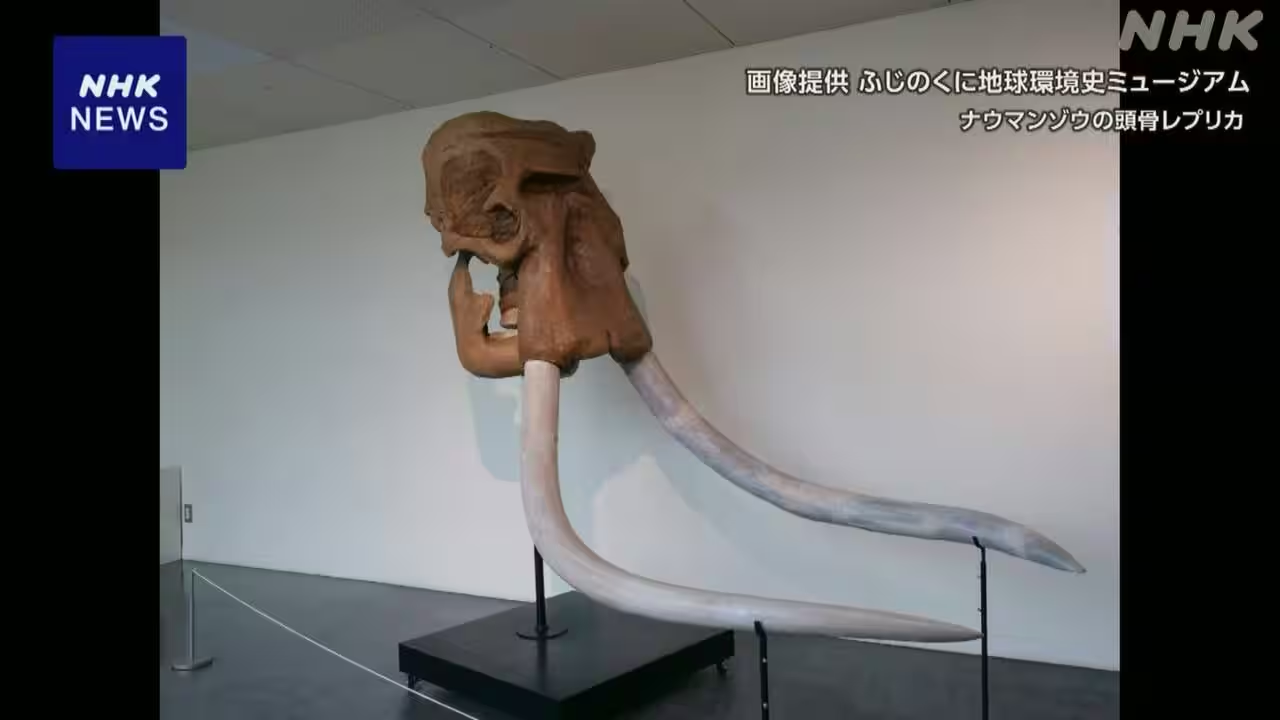
A research team led by Tokai University has announced that fossil dating indicates Naumann’s elephants, which once inhabited the Japanese archipelago, may have gone extinct 10,000 years earlier than previously estimated. The findings, published by NHK News Japan on 7 June 2026, challenge the existing scientific consensus regarding the timeline of the species' disappearance from the region.
The study utilises new dating techniques to refine the historical record of prehistoric fauna in Japan. The research team, which included associated institutions alongside Tokai University, determined that the extinction of Naumann’s elephants (*Palaeoloxodon naumanni*) likely occurred significantly earlier than earlier models suggested.
Previous estimates placed the extinction timeline later than the new findings suggest. The announcement marks a potential shift in the understanding of when this specific species ceased to exist in the archipelago, although the use of probabilistic language in the original report indicates the findings are subject to ongoing scientific review.
The precision of the 10,000-year adjustment is based on the fossil dating methodology employed by the team. While the specific technical details of the dating process are not detailed in the summary, the result directly contrasts with the prior accepted timeline, suggesting a need to re-evaluate the environmental or biological factors that led to the species' decline.
The announcement was made on 7 June 2026, providing the first public confirmation of the revised timeline. The research highlights the importance of continuous fossil analysis in correcting historical records, even as the scientific community continues to assess the implications of this earlier extinction date.