Togo cites 'serious' evidence against detained French filmmakers
The Togolese government has provided its first official account of the case, alleging the documentary team breached filming permits in areas sensitive to jihadist threats.
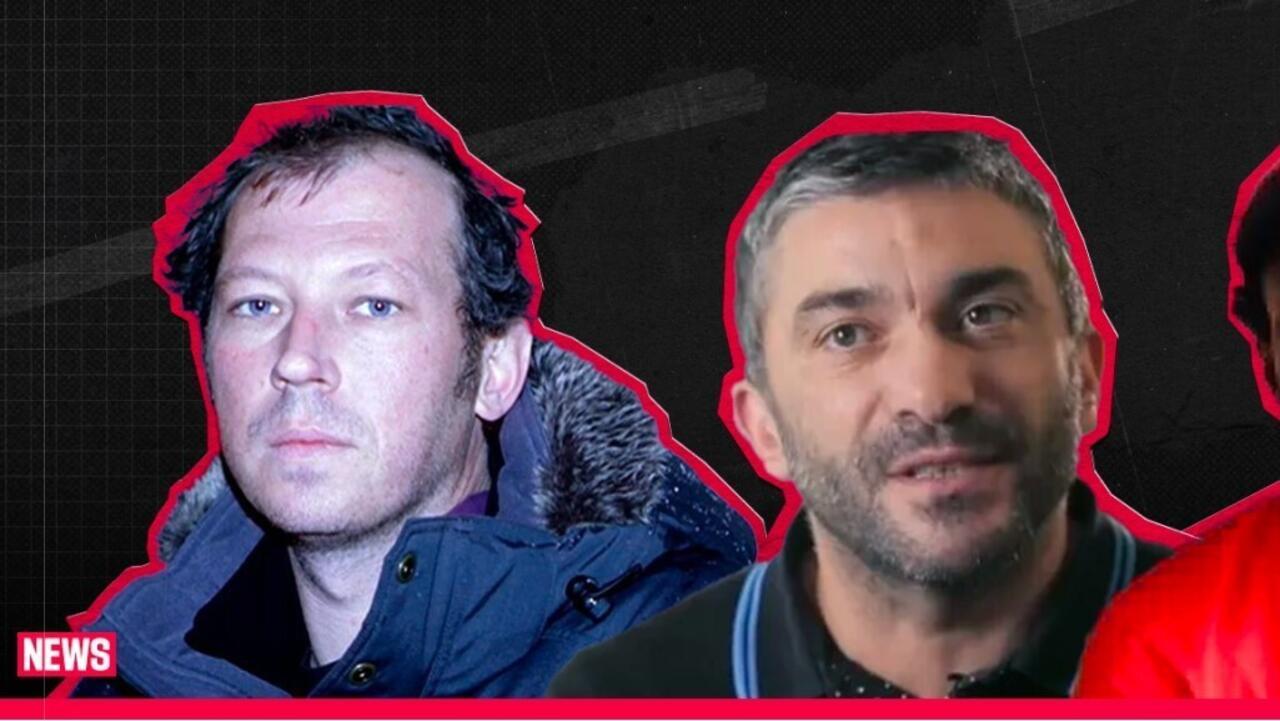
Togo’s justice and security ministries have issued a joint statement claiming to possess "serious and corroborative evidence" against two French documentary filmmakers and their local fixer, who have remained in custody since late July. The statement marks the government’s first official comment on the detention of Gaël Mocaër, Sebastian Perez Pezzani, and Fred Vedomey, who were arrested on 27 July while producing a documentary for France Télévisions.
Authorities allege that the trio made "false declarations" by operating a drone in areas deemed sensitive due to the threat of jihadist attacks. The government asserts that the filming authorisation was signed exclusively by the fixer, Fred Vedomey, and was strictly limited to specific zones. According to the statement, the French filmmakers were not signatories to the permit, which they allegedly exceeded in scope.
The joint statement further cited "several irregularities" in the manner in which the assignment was carried out, though it did not elaborate on the specific nature of these breaches. The three men appeared before prosecutors on 17 August alongside their lawyer, Martial Akakpo, who stated that his clients deny the charges of making false declarations.
The case has drawn international attention, with the media watchdog Reporters Without Borders (RSF) calling for the immediate release of the detainees. RSF highlighted that Sebastian Perez Pezzani suffers from serious health problems, requiring urgent treatment. A Togolese doctor had previously warned that Pezzani was at risk of developing sepsis, a concern noted by Patrice Lucchini, head of the production company Tony Comiti Productions.
Lucchini had previously argued that the filmmakers had fully complied with local rules, stating that the pair had obtained filming permits and declared their equipment to customs. The families of the two Frenchmen described themselves as "devastated" by the ongoing incarceration, adding to the pressure on the Togolese authorities to resolve the matter.
The detention underscores the complex intersection of media freedom and security protocols in West Africa, where sensitive zones are often defined by counter-terrorism considerations. As the legal proceedings continue, the vagueness of the "irregularities" cited by the government remains a point of contention for the defence and international observers.