Timberwolves Shed Randle to Navigate NBA Salary Cap Constraints
The move allows the franchise to retain key free agents and avoid apron penalties, though it signals a shift in roster strategy following a playoff exit.
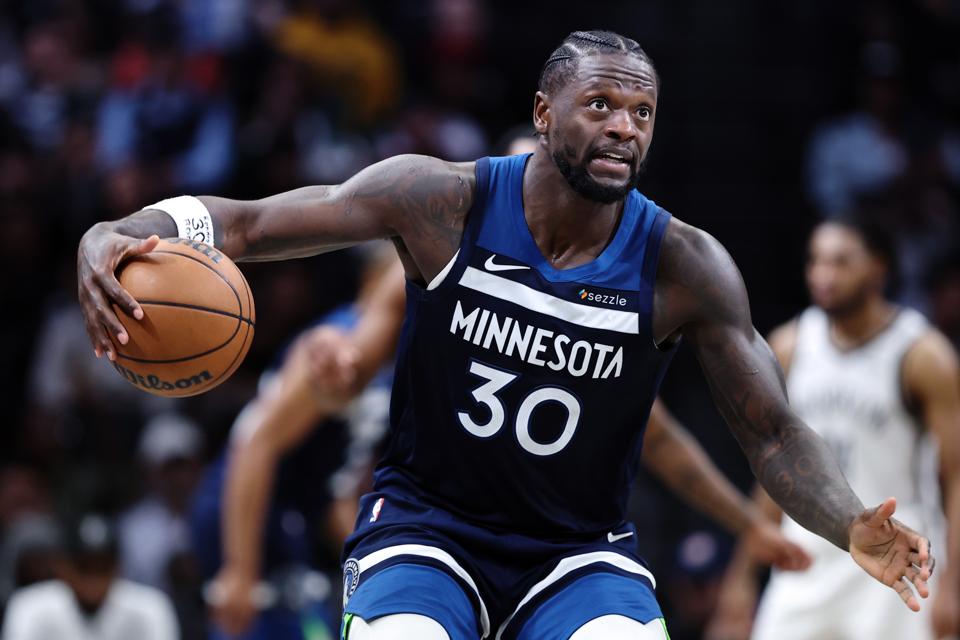
On the eve of the 2026 NBA draft, the Minnesota Timberwolves finalised a complex three-team transaction with the Brooklyn Nets and Chicago Bulls, sending forward Julius Randle and the No. 28 draft pick to Brooklyn. In return, Minnesota acquired the No. 33 pick. The Nets dispatched centre Nic Claxton to the Bulls, who are expected to absorb him into their available cap space. The deal was structured primarily to navigate the strict salary cap constraints imposed by the current collective bargaining agreement.
The primary driver for the transaction was financial flexibility. Prior to the trade, the Timberwolves were trending toward the second apron, a threshold that would strip the team of significant roster-building tools. By clearing the remaining two years of Randle’s contract, Minnesota avoided crossing the first apron, which is projected to sit around $209 million. This decision preserved the team’s access to the non-taxpayer mid-level exception and the $5.5 million bi-annual exception, assets that would have been forfeited had they exceeded the cap limits.
This financial maneuvering was critical for re-signing unrestricted free agent Ayo Dosunmu. The Wolves had previously acquired Dosunmu using four second-round picks and were facing competition from other teams. With the cap space created by the trade, Minnesota agreed to a five-year, $112 million contract for Dosunmu, which includes a fifth-year player option. The deal allows his salary to start at $19.3 million and increase by 8% annually, fitting within the team’s revised budget structure.
The trade also reflects a strategic pivot following the team’s Western Conference semifinal loss to the San Antonio Spurs. Timberwolves president Tim Connelly expressed dissatisfaction with the roster’s performance, particularly noting the inability to secure home-court advantage and the team’s struggles against Spurs centre Victor Wembanyama. Randle, who averaged 12.8 points on 34.2% shooting in the playoffs against San Antonio, was viewed as a mismatch that the organisation was unwilling to repeat.
For the Brooklyn Nets, the acquisition of Randle appears to be a rehabilitative move similar to their previous handling of Michael Porter Jr. The Nets, who still possess significant cap space, are positioned to flip Randle at a future trade deadline or next offseason when his contract expires. The Chicago Bulls also utilised the deal to add Claxton to their roster without sending salary back, leveraging their own financial flexibility to reshape their frontcourt.
The transaction underscores the harsh realities of the modern NBA, where financial mechanics often dictate roster composition over pure basketball considerations. Minnesota moved down five spots in the draft and parted with a player who averaged 21.1 points in the regular season, but the sacrifice was deemed necessary to maintain long-term competitiveness. The Wolves have effectively reset their financial posture, allowing them to retain Dosunmu and explore new roster configurations while avoiding the punitive restrictions of the luxury tax aprons.