Tijuana becomes dead end for migrants as Iran football team bases there for World Cup
The cessation of the CBP One app on 20 January 2025 has transformed the Mexican border city from a primary transit hub into a 'dead end', coinciding with Iran’s national football team’s selection as a World Cup base.
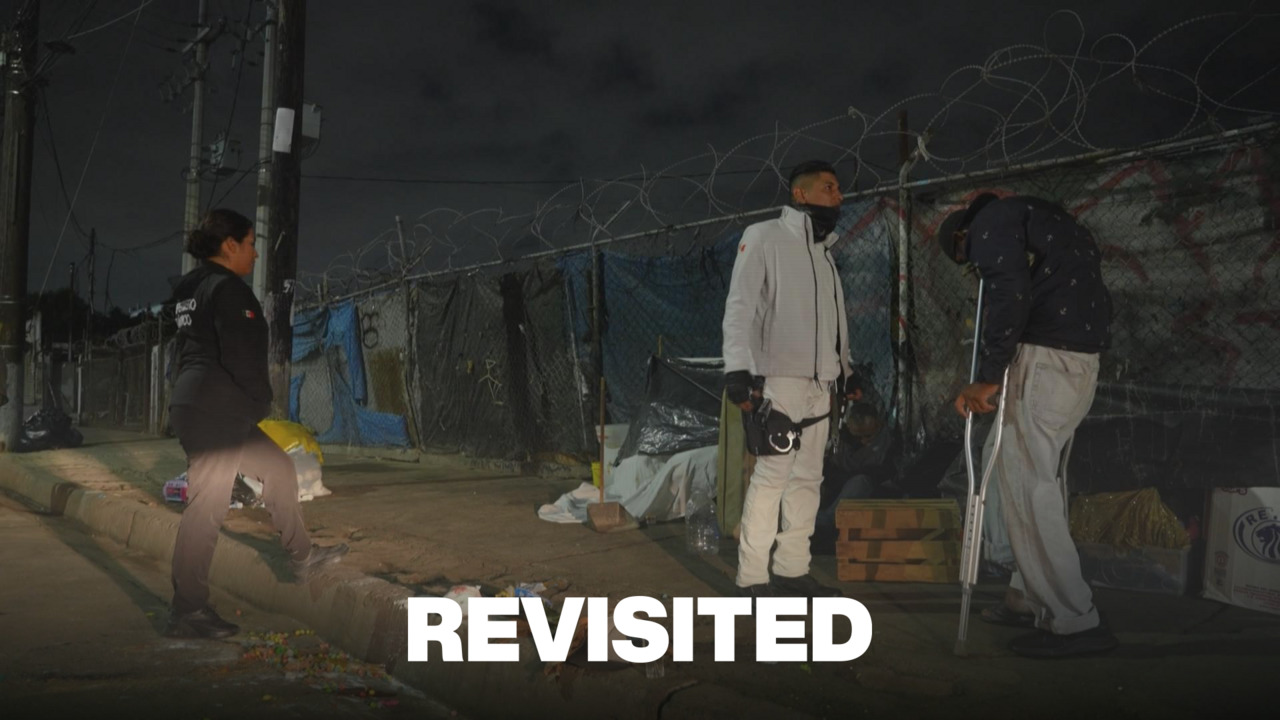
Tijuana has been designated as the base for Iran’s national football team for the upcoming World Cup, a decision that underscores a stark contrast within the Mexican border city. Historically the primary crossing point for migrants seeking entry to the United States, Tijuana is now described as a 'dead end' following significant changes in US immigration policy. The juxtaposition of an international sporting event against a backdrop of halted migration routes highlights the city’s evolving role in global affairs.
The shift in Tijuana’s status is directly linked to the return of US President Donald Trump to power. On 20 January 2025, coinciding with the inauguration ceremony, the CBP One app ceased functioning. This digital platform had previously allowed migrants to legally enter the United States to submit asylum claims. Its sudden removal effectively halted legal migration routes, causing the prospect of entry for hundreds of thousands of people to evaporate.
Consequently, US authorities have deported individuals back to Tijuana, many of whom lack legal status in Mexico. The city, which epitomises the impact of tightening US immigration policy, now hosts those stopped in their tracks as well as those returned by American authorities. This influx has exacerbated the city's reputation as one of the world's most dangerous locations, while simultaneously revealing intense local solidarity among its residents.
Reporters Laurence Cuvillier and Matthieu Comin from France 24 International visited Tijuana to assess the impact of these policy changes. Their observations confirm that the city, once the main gateway for Mexican migrants seeking the American Dream, has undergone a fundamental transformation. The physical presence of the Iranian football team in this volatile environment serves as a focal point for international attention on the region's humanitarian and political challenges.
The timeline of events indicates that the policy shift occurred immediately upon the change in US administration, with the app's cessation marking the point of no return for many migrants. While the specific timeline for the World Cup is not detailed, the selection of Tijuana as a base for Iran’s team proceeds amidst this ongoing crisis. The city remains a site of intense contradiction, balancing extreme danger with community resilience.