Tigray excluded from Ethiopian polls as sovereignty tensions mount
With the Tigray region barred from federal elections for a second consecutive time, political analysts and regional actors warn that the reinstatement of the Tigray State Council and military build-ups signal a fragile peace on the brink of collapse.
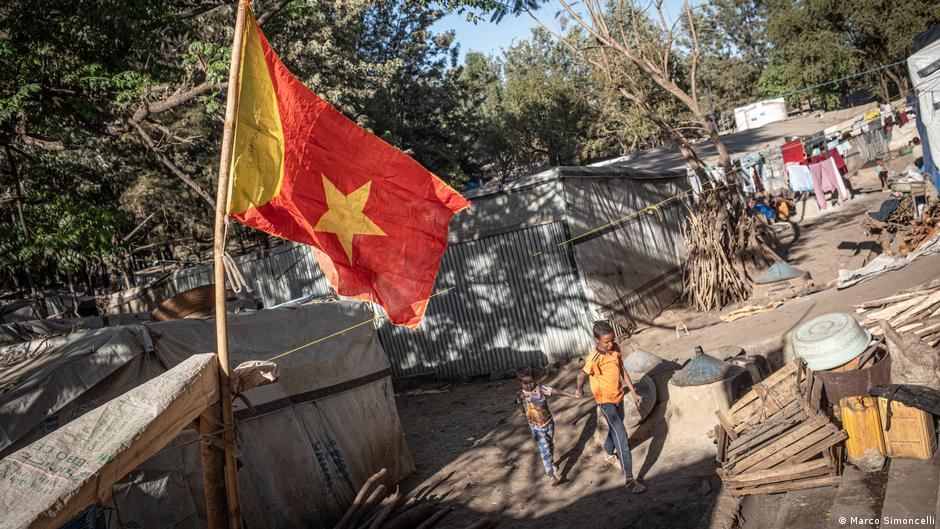
Ethiopia is preparing for federal elections on June 1, 2026, with Prime Minister Abiy Ahmed’s Prosperity Party widely expected to retain power. However, the electoral process is overshadowed by the exclusion of the Tigray region, which marks its second consecutive absence from the vote. This exclusion extends Tigray’s total absence from federal political representation in Addis Ababa to a full decade, leaving no delegates from the region in either the House of Peoples' Representatives or the House of Federation.
The political vacuum has been exacerbated by recent actions from the Tigray People's Liberation Front (TPLF), which reinstated the Tigray State Council and elected Debretsion Gebremichael as regional president. These moves directly contravene the 2022 Pretoria peace agreement, which had dissolved the council and established an interim administration. Federal officials, including Major General Teshome Gemechu, have condemned the TPLF’s actions as anti-Ethiopian and a threat to national sovereignty, yet the federal government has not issued an official comment regarding the reinstatement or Gebremichael’s return to leadership.
Tensions on the ground have intensified with reports of military mobilisation and forced conscription. Eyewitnesses have observed TPLF-aligned Tigray Defense Forces soldiers recruiting former fighters and teenagers in areas outside Mekelle. Concurrently, Ethiopian military jets were spotted flying over Mekelle on May 5 and 6. Experts note that defence installations are being expanded along northern access roads to the capital, with Ethiopian National Defense Force positioning in the neighbouring states of Amhara and Afar, suggesting a strategic preparation for potential conflict.
TPLF spokesman Michaele Asgedom defended the region’s stance, stating that more than 40 per cent of Tigray’s sovereign territory remains under enemy control, rendering a representative election impossible. He highlighted that millions of internally displaced persons and refugees in Sudan have not returned, further complicating the electoral landscape. Despite the rhetoric, Asgedom asserted that Tigrayans do not desire another war, though they remain prepared to resist what they describe as ongoing invasion.
The 2020–2022 Tigray war, which resulted in approximately 600,000 deaths, casts a long shadow over the current political climate. Constitutional law scholar Alemayehu Fentaw described the federal government’s inaction as a deliberate policy of disengagement, effectively turning Tigray into a buffer zone. With the country facing multiple armed challenges, including militias in Amhara and Oromia, the exclusion of Tigray from the democratic process raises significant concerns about the stability of the region and the longevity of the Pretoria agreement.