The Traitors star Stephen Libby’s one-piece mission to revive the men’s jumpsuit
From David Bowie to Harry Styles, the single-piece garment is making a comeback, and one reality TV star is leading the charge with practical styling advice.
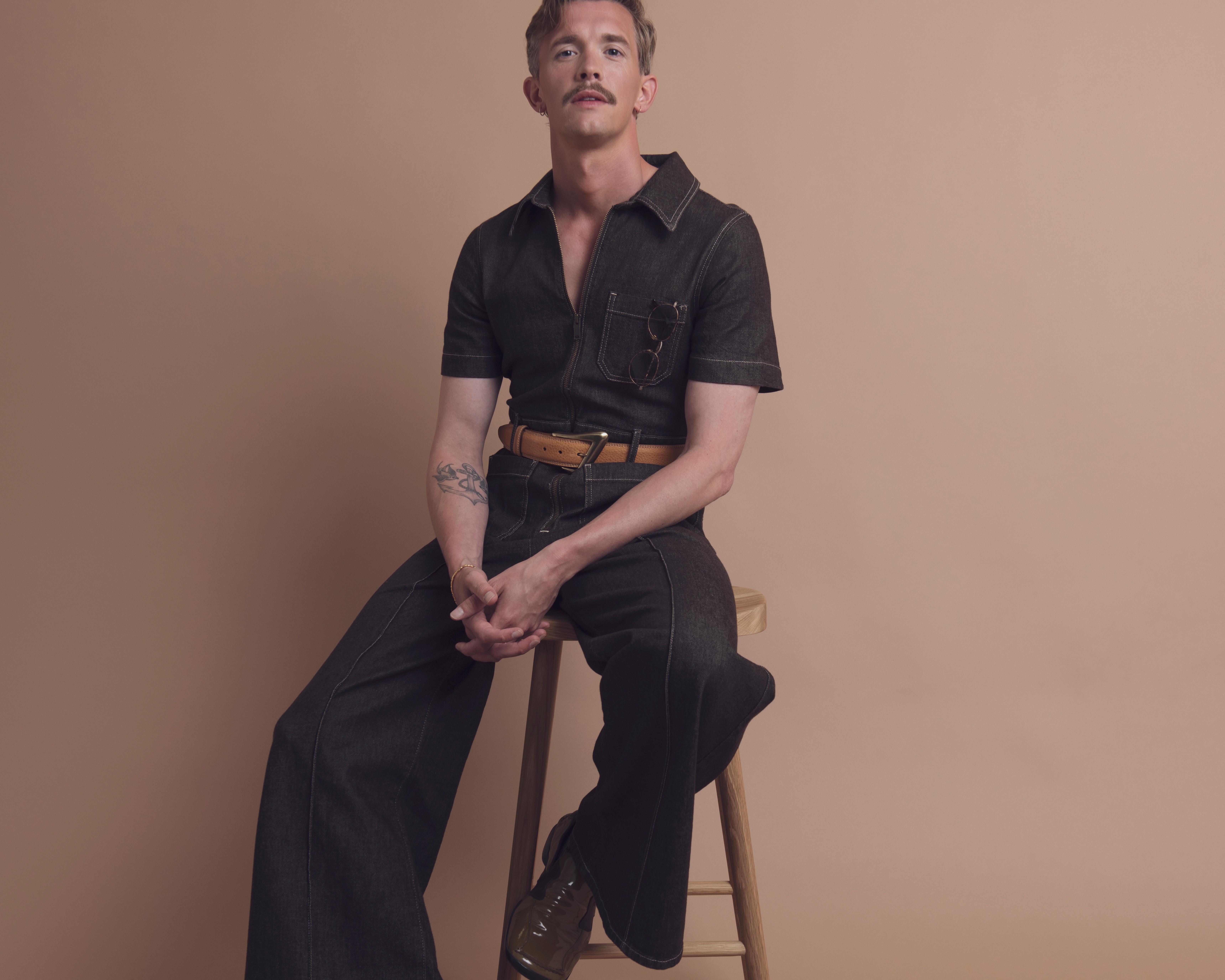
Stephen Libby has become inextricably linked with the jumpsuit following his appearance on The Traitors, a connection that persists despite the fact he wore the garment on only two occasions during the series. Since the show aired, Libby has been required to wear a jumpsuit at every public appearance, a testament to the enduring power of the style. Although he initially packed the items with some hesitation, the public response was mixed, ranging from enthusiastic support to confused messages questioning his choices. The memes that followed were equally memorable, with one of Libby’s favourites featuring his head superimposed on John Travolta’s body in a still from Saturday Night Fever.
Libby now owns five jumpsuits, a collection he describes as being predominantly 1970s in style. He identifies the 1970s as a golden era for the men’s jumpsuit, a period when icons such as David Bowie and Elton John helped embed the garment into popular culture. While the style has largely faded from mainstream menswear, Libby attributes its current resurgence to modern figures like Harry Styles and Benson Boone. He notes that while echoes of the 1970s appear in contemporary menswear through geometric patterns and wide lapels, the jumpsuit remains a bridge too far for most men, often reserved for those comfortable with a more flamboyant aesthetic.
For Libby, the appeal of the jumpsuit lies in its practicality. He describes it as a "whole outfit in one," which saves time for those who take a while to get ready. The single-piece design also offers a minor convenience in the bathroom, as it features a zip rather than the buttons found on traditional trousers. His journey with the garment began six years ago when he purchased his first jumpsuit from Palomo Spain for approximately £300, a sum he saved for over 18 months to afford. That initial orange and blue piece served as the gateway to his current era of jumpsuit-wearing.
The garment’s practicality extends to its ability to elongate the body, provided the waist sits correctly. Libby advises that the waist should sit where the waist of trousers would normally sit, a detail that can be adjusted through alterations. Unlike much of menswear, the jumpsuit is the main event, requiring minimal accessorising. He recommends pairing the outfit with loafers or Cuban heels, arguing that trainers look incongruous with the garment’s inherent formality.
Navigating the market for a jumpsuit can be challenging, as affordable options for men are limited. Libby distinguishes jumpsuits from boilersuits or overalls, which he views as distinct garments characterised by a slouchy fit or drop crotch. His advice for men seeking an accessible option is to purchase a women’s jumpsuit from brands such as Reiss or Me+Em and have it altered to fit. He specifically highlights Reiss’s denim jumpsuits, which are available in longer legs, as a viable starting point for those looking to enter the trend.
Libby remains on the hunt for the perfect addition to his collection, inspired by a photograph of David Bowie leaving Studio 54 wearing a design by Willie Brown. While he has not yet found the exact piece, he is currently bidding on a purple 1970s disco jumpsuit. As he continues his personal mission to revive the style, Libby’s experience illustrates how a single garment can transcend its practical origins to become a statement of cultural identity.