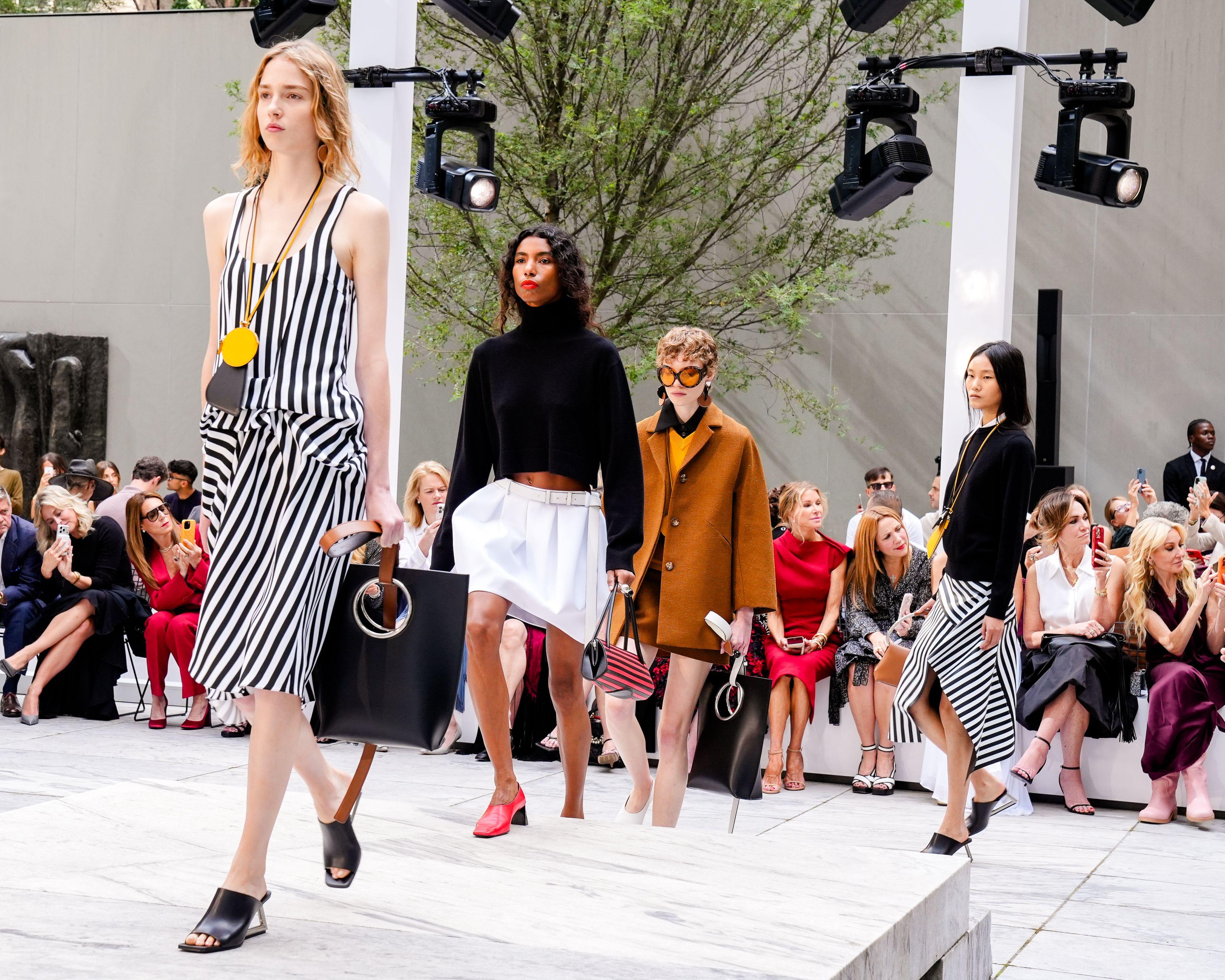
The September reset: How to shop with grit and focus
Jess Cartner-Morley argues that the autumn shopping season is the true start of the fashion year, urging readers to prioritise practical "green flags" over seasonal trends.

In the fashion industry, September is widely considered the start of the new year, a far more sensible moment for a sartorial restart than the dark and bleak January. As the summer’s loose tempo gives way to a restless itch for focus, the shopping landscape shifts from swimwear and sandals to crisp shirts and serious footwear. This transition offers a unique opportunity to snap back into a "can-do" mindset, provided shoppers keep their wits about them.
The Guardian fashion columnist Jess Cartner-Morley has outlined a protocol for navigating this seductive period, drawing on advice from stylist Allison Bornstein. The core of the strategy involves identifying "red flags" that signal a garment will not work for your daily life. Bornstein’s primary deal-breaker is the "bra-specific top," such as off-the-shoulder necklines or open backs, which require impractical undergarments and suggest a lack of consideration for the wearer’s comfort.
Cartner-Morley adds her own criteria to this list, including buttons that appear cheap or boring, and garments that misbehave during movement, such as skirts that ride up. In an industry characterised by a monumental overproduction problem, she argues that the best shoppers must be utterly ruthless, rejecting items that require constant adjustment or compromise.
Conversely, "green flags" are high-utility items that are as rare as hen’s teeth. These include the perfect pair of jeans, an all-day bag with a secure but unfiddly fastening, and shoes with a five-centimetre block or flared heel that can withstand the rigours of escalators and paving stones. Cartner-Morley notes with wry humour that these items are often spotted only when taking a shortcut through M&S while late for a meeting.
The overarching philosophy is one of "gritty, laser-focused realism." Rather than buying a sundress for a holiday that has already passed or a linen ensemble for a future long lunch, consumers should prioritise clothes that survive their Tuesdays. The goal is to build a wardrobe that expresses personal aspirations while remaining functional for real life.
Ultimately, back-to-school season is about more than just a shopping spree; it is a ceremony of new beginnings. If a top only works with a specific bra or a bag looks good only when empty, it fails the test. By combining high standards with practicality, shoppers can move from the back of the class to the top.