The Ringer T-shirt’s nostalgic return: From 1950s school sports to luxury runways
As brands from Marks & Spencer to Miu Miu release new iterations, analysts and historians point to the ringer T-shirt’s enduring appeal as a response to economic uncertainty and a desire for vintage aesthetics.
The ringer T-shirt, distinguished by its contrasting colour on the collar and sleeve ends, is experiencing a significant resurgence across the fashion landscape. Retailers ranging from high-street staples such as Marks & Spencer and Levi’s to luxury labels including Miu Miu, Versace, and Coach have introduced designs, with World Cup-themed versions from Levi’s and Marks & Spencer reportedly selling out. The trend, which Ganni designer Ditte Reffstrup has also featured in a new collaboration with Disney, signals a broad consumer appetite for a garment that balances timeless comfort with distinct visual character.
Fashion analyst Frida Tordhag at Luxurynsight, a firm that utilises artificial intelligence to predict trends based on social media activity, identifies the ringer T-shirt as a key item on the rise. The data predicts a 9% increase in popularity among women aged 16 to 25 and an 11% increase among men over the next 12 months. Tordhag notes that this growth aligns with wider shifts in consumer behaviour, particularly the interest in vintage aesthetics and colour-blocking. She describes the garment as sitting in the “sweet spot” of what consumers currently seek, offering longevity and character in a market where purchases are becoming more intentional.
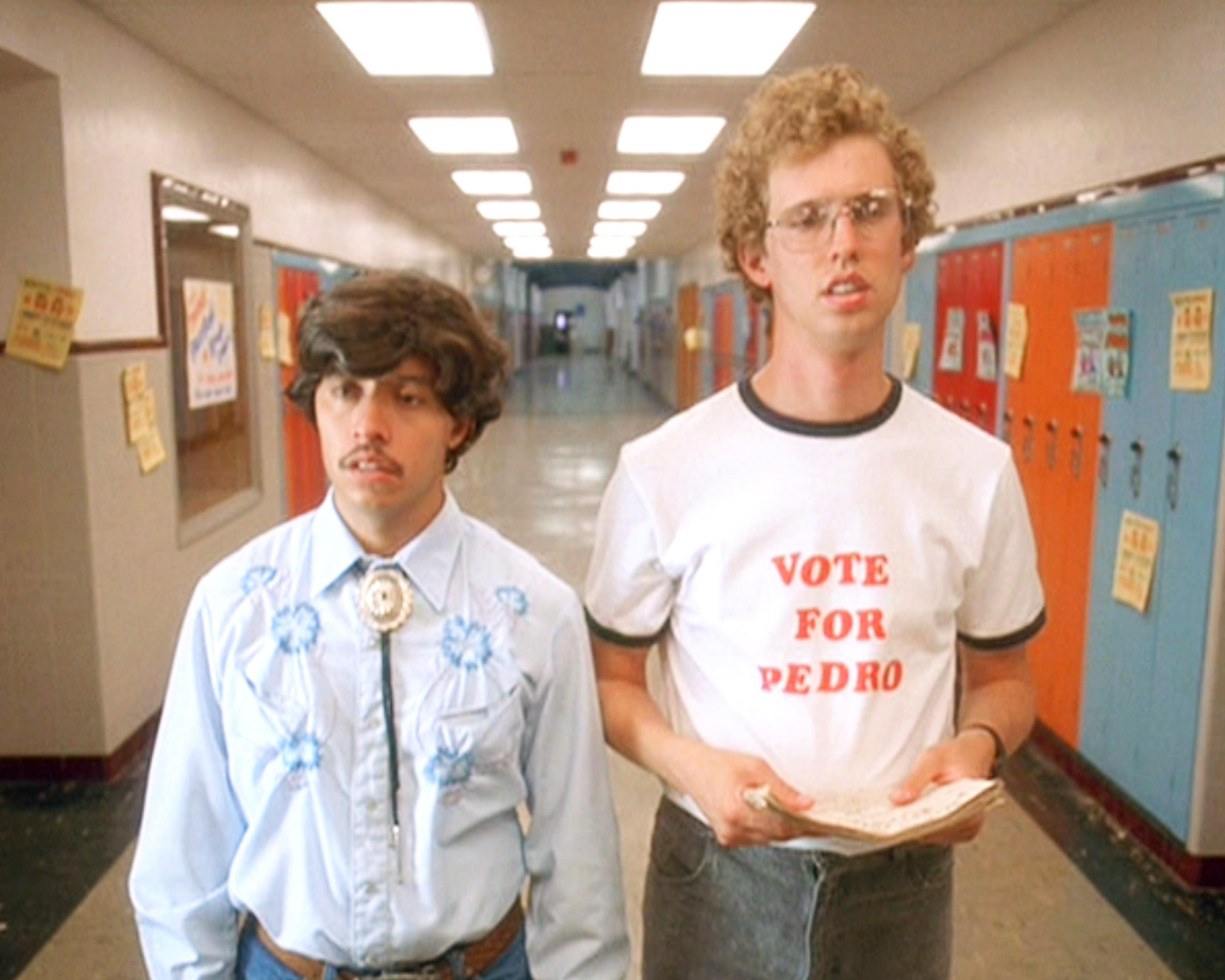
The item’s cultural lineage provides a rich backdrop to its current popularity. Fashion historian Emma McClendon traces the ringer T-shirt’s origins to 1950s America, where it was worn by schoolchildren for sports, with colours often reflecting school identities. At the time, the design helped distinguish sportswear from the standard T-shirt, which was largely associated with underwear. McClendon observes that the style was later adopted by 1970s rockers, adding a layer of counter-cultural lore to its wholesome beginnings. This history has produced iconic references, including John Lennon and Goldie Hawn in the 1970s, Paris Hilton’s “Bite Me” shirt in the noughties, and Jon Heder’s “Vote for Pedro” shirt in the 2004 film *Napoleon Dynamite*.
McClendon suggests that the garment’s longevity, spanning more than seven decades of consumer familiarity, is precisely what drives its appeal in the current climate. She argues that during periods of intense political instability and economic uncertainty, consumers naturally gravitate towards items that offer comfort. “They remind us of childhood, of youth, of the summer, of times when things were more fun,” she says. Reffstrup echoes this sentiment, describing the ringer T-shirt as akin to finding a favourite childhood garment: familiar, comforting, and difficult not to love.
The trend’s visual appeal is further amplified by its suitability for social media and its ability to evoke a sense of candy-coloured nostalgia. The contrast neckline and sleeve details provide enough character to feel current while maintaining an easy-to-wear versatility. As brands continue to release new iterations, the ringer T-shirt remains a testament to the power of retro references, bridging the gap between sportswear, music culture, and casual Americana aesthetics in a single, enduring design.