The Quota Void: How Streaming Obligations Reshaped Australian Screen
With free-to-air broadcasters pivoting to news and sports, the onus for local storytelling has shifted to global platforms, creating a paradox of high production value but low discoverability for audiences.
The Australian screen landscape has undergone a structural rupture, marked by a stark divergence between the decline of traditional broadcasting and the rise of streaming-driven drama. According to the Screen Currency 2026 report, released by Screen Australia on 19 August 2026, average annual screen time for children’s television fell by 42% between 2021 and 2024 compared to the 2000–2020 average. This contraction to just 65 hours per year coincides with commercial networks effectively ceasing commissions of the genre following the removal of government broadcasting quotas that once mandated a minimum of 260 hours of children’s programming annually.
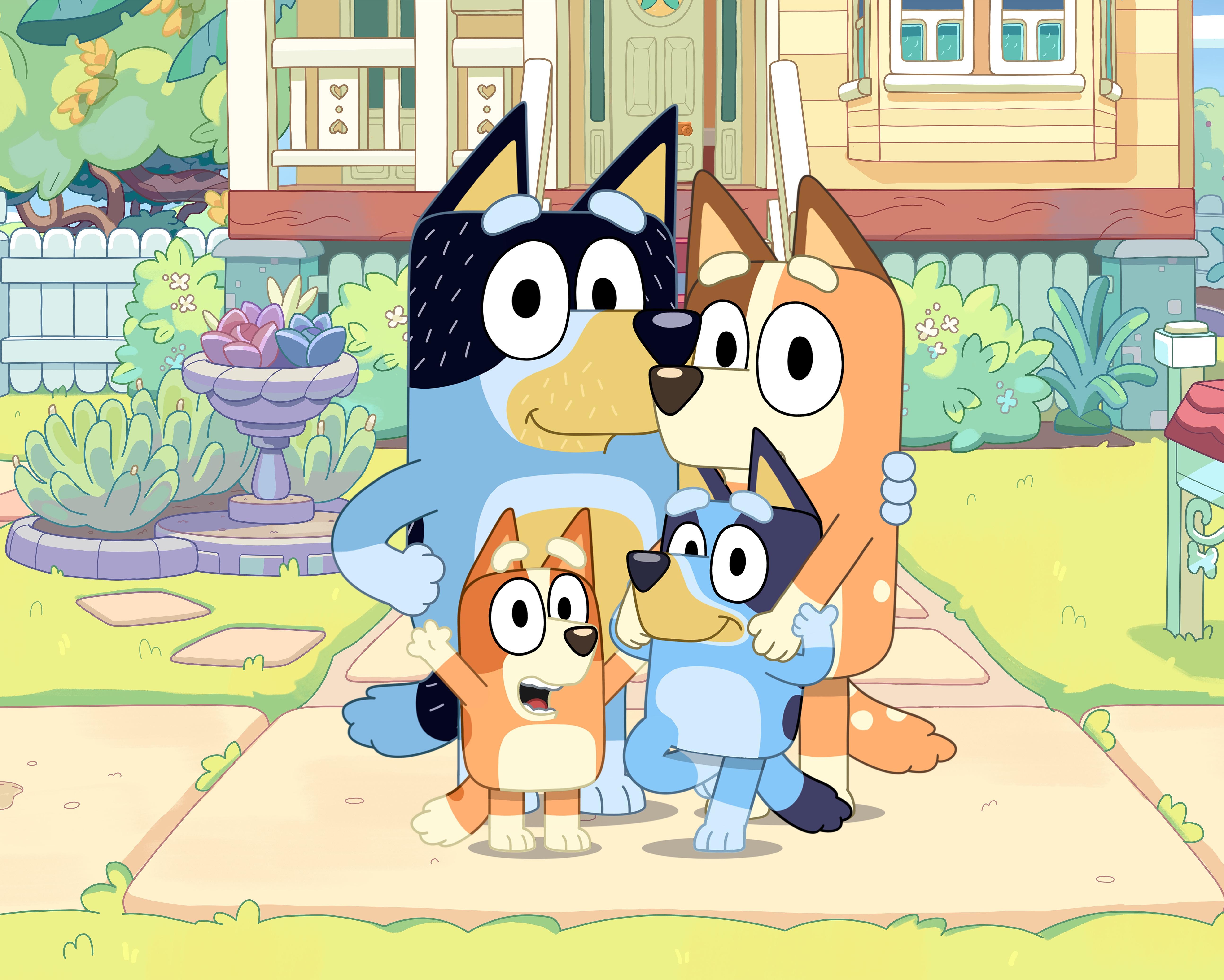
The vacuum left by channels Seven, Nine, and Ten has been filled almost exclusively by public broadcasters. In 2025, first-run children’s television reach was predominantly provided by the ABC, with only limited contributions from SBS/NITV and Seven. While global hits like Bluey continue to generate international prestige, the domestic ecosystem for children’s content has shrunk significantly, reflecting a broader shift in how free-to-air networks allocate their budgets toward news, current affairs, lifestyle, and sports.
Conversely, the sector for Australian TV drama has found a new patron in the streaming industry. Although total hours of Australian TV drama broadcast declined by 12.4% between the 2000–2019 and 2020–2024 periods, streaming services have emerged as the primary commissioners. This trend was accelerated by new 2025 obligations requiring certain platforms to invest at least 10% of their total Australian program expenditure, or 7.5% of Australian revenue, into local content including drama, children’s programs, documentaries, and arts.
Netflix, Stan, and Amazon Prime Video are now identified as significant investors in Australian drama, capitalising on these regulatory frameworks. This shift has created a complex consumer environment where algorithms increasingly dictate viewing habits, despite widespread audience distrust. The report, which surveyed over 13,550 respondents, found that only 36% of Australians found it easy to locate Australian-made content, even though 84% valued local productions. Consequently, the majority of viewers spent less than a third of their viewing time on Australian film or television.
Despite the fragmentation of television, the broader screen and games sector remains economically robust, contributing over $11 billion to the economy in the 2023–24 financial year and employing nearly 70,000 people. Notably, the number of Australian drama feature films increased by 43% between 2021 and 2024, bucking the trend of declining box office returns. Netflix remains the most-watched platform at 69%, followed closely by commercial networks at 63% and YouTube at 56%, illustrating a media market where local content is produced in volume but struggles for visibility in an algorithm-driven age.