The price of pretty privilege: How social media and cosmetic trends are reshaping workplace expectations
A recent investigation by The Guardian reveals how the ubiquity of platforms like TikTok and Instagram, alongside accessible procedures such as Botox and GLP-1s, has intensified workplace lookism.
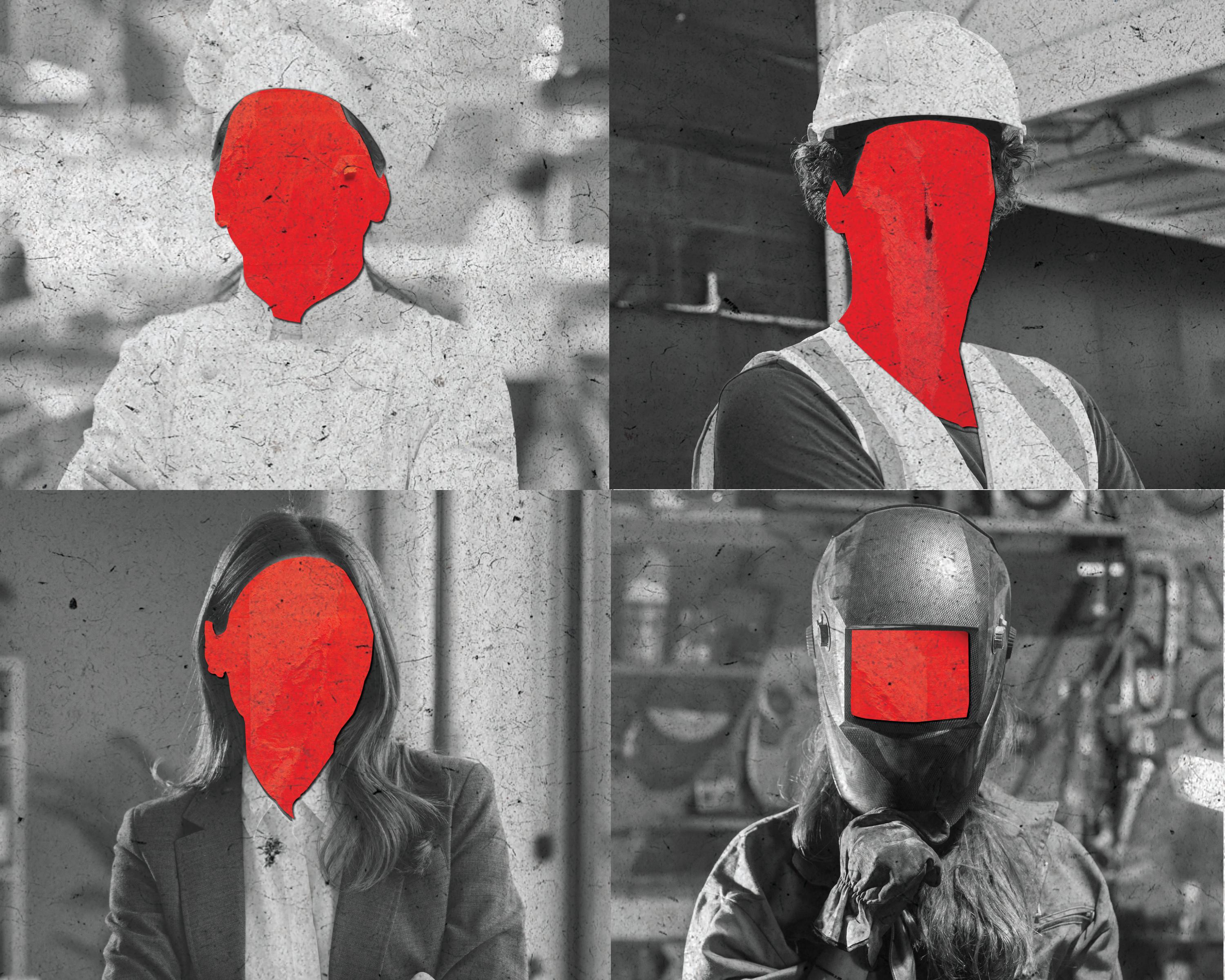
The professional landscape is undergoing a subtle but significant shift, where physical attractiveness now directly influences hiring, salaries, and career progression. A recent report highlights that professionals across diverse sectors, including law, construction, and welding, are facing heightened pressure to maintain specific visual standards. Driven by the prevalence of social media and the accessibility of cosmetic procedures such as Botox and GLP-1s, this trend has intensified what experts term "lookism," affecting individuals who previously operated under fewer appearance-related workplace norms.
Historically, workplace attire focused on professional appropriateness, but the rise of digital presence has expanded these expectations. A 15-year survey found that attractive MBA candidates had a higher probability of securing desirable roles, with an associated "attractiveness premium" corresponding to over $2,500 in higher salaries. Another 2018 report described attractiveness as an enduring positive labour market characteristic. Today, visible success often involves airbrushed skin and refined features, with filler, semaglutides, and cosmetic surgeries becoming commonplace even in professions from childcare to administration.
Ageism further complicates this dynamic. A survey indicated that 15 per cent of people over 45 would consider cosmetic surgery to advance at work, a figure rising to 20 per cent for Botox and fillers. Professionals in their 40s and 50s report undergoing treatments to counteract insecurity about being perceived as "aged out" by younger colleagues. One 48-year-old professional noted they colour their hair and use Botox to look their age but younger, fearing that without these interventions, they might be overlooked for roles dominated by staff 15 to 20 years their junior.
The commercial value of appearance is evident in how individuals monetise their looks. A 27-year-old social media consultant in Florida charged followers for personal attractiveness ratings after a viral TikTok video, earning thousands of dollars. Similarly, a 39-year-old welder in California attributes job opportunities to her Instagram presence, using her platform to gain exposure despite facing resentment from male colleagues. She noted that while she embraces her femininity and spends significantly on aesthetics, her technical skill ultimately earned her respect in the field.
In blue-collar sectors, visual metrics are driving engagement. A 24-year-old home builder in Idaho reported that TikTok videos perform 30 to 40 per cent better when wearing specific branded workwear, illustrating how aesthetic choices directly impact professional visibility. Meanwhile, a 30-year-old actor in New York was hired by a dog-walking agency specifically for their looks, highlighting how physical appeal is increasingly a prerequisite for certain gig economy roles. As digital visibility becomes the norm, the boundary between personal appearance and professional capability continues to blur.