The £800 thong sandal: why luxury minimalism is bringing flip-flops back to the city
Fashion journalist Jess Cartner-Morley reports that the thong sandal has re-emerged as a summer staple, driven by Y2K nostalgia and a demand for elevated, minimalist design.
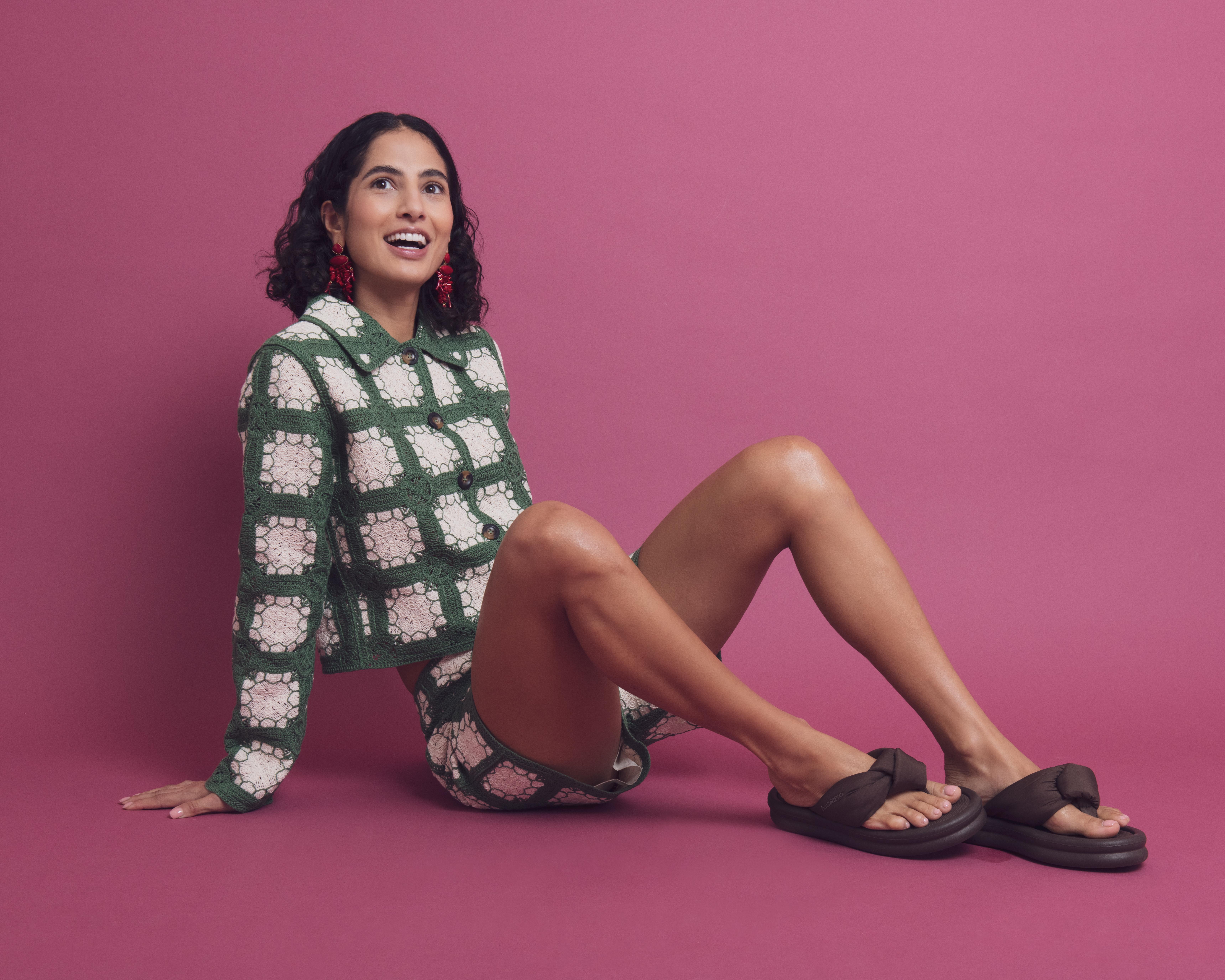
The flip-flop is returning to the fashion forefront, but this iteration is distinctly removed from its utilitarian roots. According to reporting by Jess Cartner-Morley for The Guardian Fashion, the footwear is experiencing a renewed moment driven by luxury minimalism and Y2K nostalgia. High-end versions now feature thick soles and premium materials such as suede, leather, and satin, with prices ranging from £690 for a platform pair by Phoebe Philo to £800 for a minimal black leather pair by The Row. These elevated designs are increasingly referred to as thong sandals, marking a significant departure from the plastic classics that dominated previous decades.
The current trend represents a shift in both material and context. While the 2000s saw the rise of Havaianas, followed by a decade where sliders and streetwear took precedence, this new wave is defined by solid proportions and a restrained colour palette of black, chocolate brown, and butter yellow. The styling advice centres on a "Copenhagen way" of wearing the footwear, treating it as a minimalist sandal rather than beachwear. This involves pairing the shoes with urban, relaxed attire such as oversized trousers that skim the pavement, crisp poplin shirts, or elegant slip dresses, deliberately avoiding beach accessories like shell necklaces or sarongs.
Despite the commercial push, the footwear remains polarising, raising questions that extend beyond aesthetics into matters of social etiquette. The article notes that every heatwave triggers a lively, unresolved debate regarding the appropriateness of flip-flops in professional settings and public spaces. This tension was highlighted when Jennifer Lawrence wore flip-flops under her Dior gown on the Cannes red carpet in 2023, sparking an outcry over the perceived flouting of the film festival’s elegant footwear policy. The informality of the shoe often triggers a visceral reaction, with critics viewing the trend as a slippery slope towards casual disregard for public decorum.
The cultural resistance to the flip-flop is compounded by varying personal standards regarding grooming and presentation. For some, the issue is visceral, rooted in specific grooming expectations or general discomfort with exposed feet. For others, it is a matter of respect, where the casual nature of the shoe clashes with formal expectations. The article suggests that while fully enclosed shoes may feel impractical in high temperatures, the flip-flop offers a solution that balances comfort with a cool, unbuttoned aesthetic, provided it is styled with intention.
Ultimately, the return of the thong sandal underscores the unpredictable nature of fashion cycles. The footwear has spent decades proving its ability to be simultaneously loved and loathed, yet impossible to ignore. While the styling credits for recent editorial features include professionals such as Melanie Wilkinson and Maria Diniz, the broader cultural conversation remains open. Whether these luxury iterations deserve a place in the office or remain strictly urban leisure wear is a debate that continues to evolve alongside the trend itself.