The new fashion statement: Adversarial clothing designed to confuse facial recognition
Brands such as Vollebak, Urban Privacy, and Cap_able report surging interest in anti-surveillance wear, though experts warn that government regulation, not just celebrity influence, will determine the trend’s future.
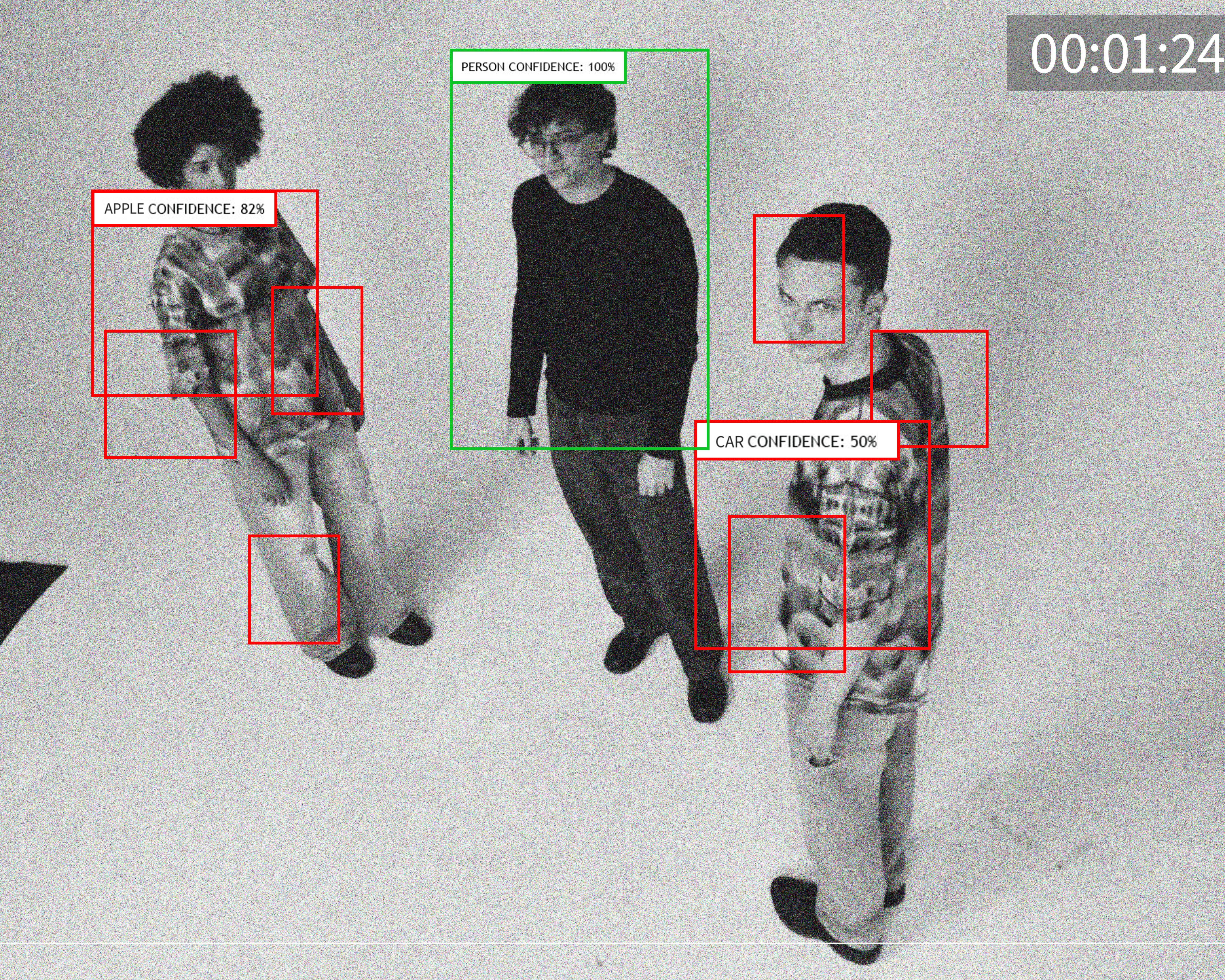
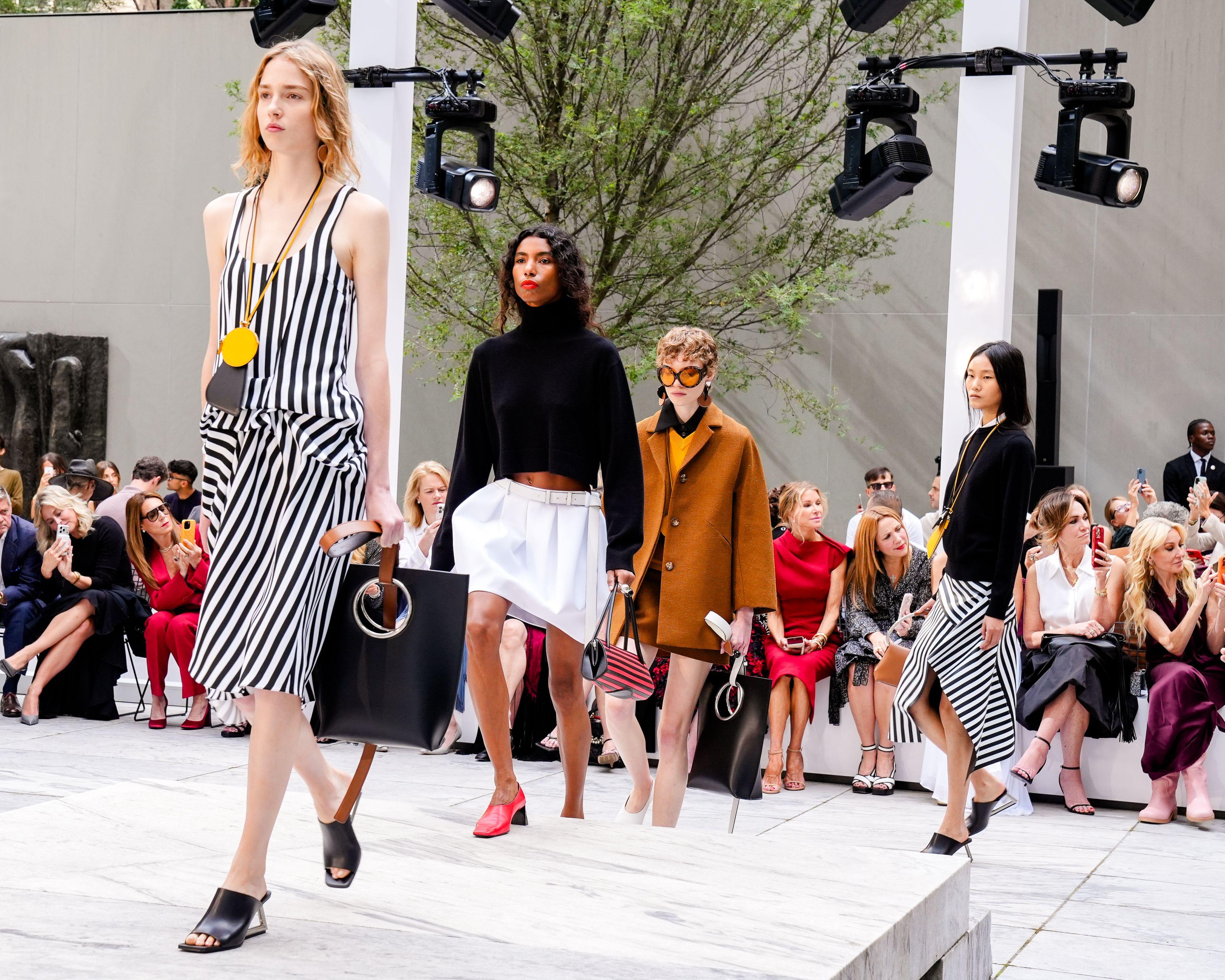
A new generation of designers is positioning privacy as the next major fashion trend, introducing garments featuring adversarial patterns intended to exploit weaknesses in computer vision systems. As facial recognition technology is rolled out across Britain’s public spaces, companies are incorporating carefully arranged shapes, colours, and motifs into commercially viable clothing. This shift marks a transition from niche countercultural items to a broader movement driven by widespread anxiety over AI surveillance and the increasing accessibility of automated identification tools for police and private businesses.
Brands including Vollebak, Urban Privacy, and Cap_able have reported a significant rise in consumer interest, with some designs utilising infrared-emitting LEDs to interfere with night-vision surveillance. Daniel Preuß, co-founder of Urban Privacy, details how his designs use large-scale prints, asymmetrical cuts, and streetwear-inspired silhouettes to confuse algorithms. His Urban Ghost coat integrates LEDs into the hood to dazzle cameras, exploiting the tendency of systems to struggle when presented with multiple faces simultaneously. Preuß, who was inspired to launch his company after reading about Edward Snowden’s revelations regarding US surveillance in The Guardian, notes that while no design can guarantee total security, the fashion serves to spread awareness and propagate public discourse.
The commercial viability of these garments has grown alongside advances in computing, yet experts caution that effectiveness varies depending on the specific surveillance system and environmental conditions. Dr Jennifer Bell, a senior lecturer at Nottingham School of Art & Design, observes that the availability of anti-facial recognition designs at high street prices may precede a tipping point for cultural adoption. She emphasises that even if the designs do not work perfectly against all technologies, they act as a visible sign of resistance, representing consumers collectively making a statement about the importance of privacy.
Public concern is already high, with a recent poll indicating that nearly 60% of people believe facial recognition represents a step towards turning the UK into a surveillance society. This sentiment is fuelled by evidence that black and Asian people are more likely to be incorrectly identified by these systems than white people, prompting Britain’s biometrics watchdogs to call for stricter laws and regulation. Rachele Didero, founder of Cap_able, notes that interest in her brand has rocketed since 2018, shifting from initial suspicion to broader mainstream concern as new generations express fear regarding AI and privacy.
While Nick Tidball, co-founder of Vollebak, suggests that a single celebrity wearing adversarial clothing to a high-profile event could push the trend into the mainstream, he warns that political factors may ultimately dictate its longevity. Tidball notes that if such clothing proves genuinely effective, it could face government bans, making regulation a key determinant of the trend's future. As bigger companies see the potential for profit, the industry anticipates that these designs will continue to challenge the way we dress, merging fashion with a powerful public statement on digital rights.