The New Currency of Nostalgia: Why Vintage British Carrier Bags Are Collectible
As brands like Marks & Spencer and Aries capitalise on the trend, collectors are paying premiums for the tangible history of everyday British life.
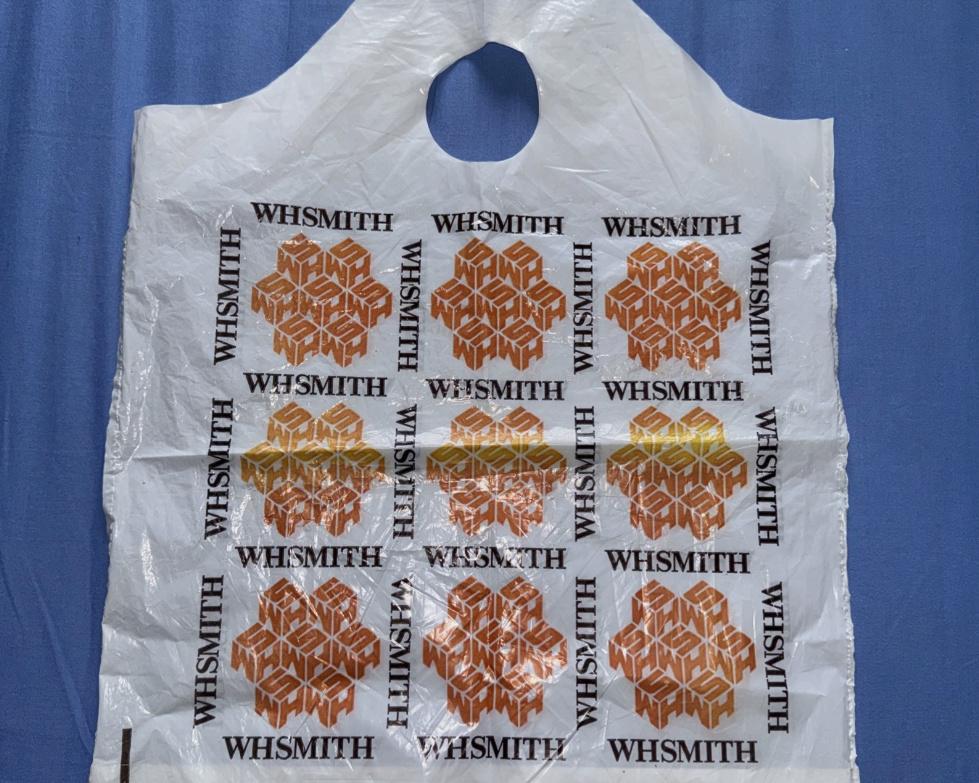
The humble supermarket carrier bag, once relegated to the back of a drawer or discarded after a single use, has emerged as a bona fide collectible. According to The Guardian Fashion, items from retailers including Marks & Spencer, Tesco, WH Smith, Netto, and Waitrose are now commanding prices of approximately £10 on secondhand platforms such as eBay, Vinted, and Depop. This represents a significant mark-up for items that were originally distributed free of charge, with Vinted reporting a 35% surge in search activity for these goods in 2026 compared to the previous year.
The phenomenon is driven by a broader consumer desire for tangible objects and nostalgia. Jeremy Leslie, founder of the London magazine shop MagCulture, observes that this trend mirrors the resurgence of physical media, noting that people seek reassuring totems from their past. This sentiment is echoed by Tim Sumner, who established the Paper Bag Archive in 2020. His collection now exceeds 3,500 paper and plastic bags, which he describes as vital symbols of social history that track the tastes and flavours of each decade.
Among the most sought-after items is the vintage Marks & Spencer St Michael bag. Ubiquitous on British high streets from 1928 until 2000, the label holds deep nostalgic value for older generations while simultaneously attracting younger consumers interested in fashion history. The bag’s cultural resonance is further amplified by its appearance in a new collaboration between Marks & Spencer and the cult London streetwear label Aries.
The Aries collection, arriving on 20 August, features a £90 leather tote designed to replicate the iconic St Michael carrier. Lisa Illis, head of womenswear design at Marks & Spencer, stated that the partnership aims to celebrate the brand’s cultural relevance while introducing it to a new audience through a contemporary lens. Sofia Prantera, founder of Aries, noted that the design draws on formative experiences, positioning Marks & Spencer as a true British institution integral to family life and memory.
The collectibility of these bags stands in stark contrast to the current retail environment, where single-use plastic bag sales in supermarkets dropped by 98% by 2023 following a mandatory charge introduced in 2015. While modern plastic bags are often viewed as disposable, collectors note that older paper bags were constructed with greater durability, whereas post-2000 versions were engineered to biodegrade rapidly. This shift has elevated the status of other durable alternatives, such as canvas bags from brands like APC, Octobre Editions, and Alo, which are also selling for upwards of £10.
Despite the premium prices, some collectors argue that the appeal lies in the bags’ lack of sophisticated design. Leslie suggests that the joy of these items stems from their basic, unmediated construction, a stark departure from the carefully curated aesthetics of modern in-house design studios. Whether viewed as status symbols or historical artifacts, these once-mundane sacks now occupy a unique space in British culture, bridging the gap between everyday utility and cherished memory.