The ‘Kinda Chic’ Algorithm: How Social Media Homogenised Summer 2026
As searches surge 5000%, experts warn that the ‘kinda chic’ phenomenon represents a ‘long hot summer of copy and paste’, diluting the very meaning of style in the process.
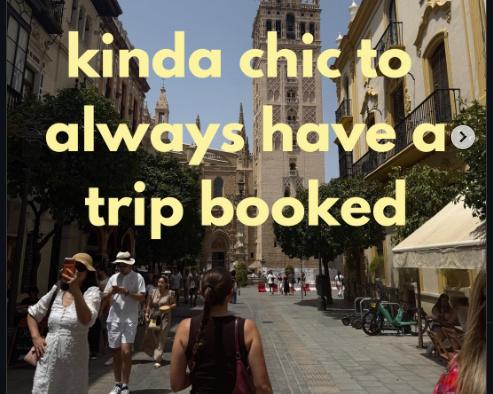
The defining social media trend of summer 2026 is no longer a mystery to be solved but a ubiquitous format to be endured. Dominating Instagram and TikTok, the ‘kinda chic’ craze is characterised by carousels or videos overlaid with a distinct pale yellow font. The template typically reads “Kinda chic to” followed by an image of an activity or appearance that defies traditional notions of elegance, ranging from mirror selfies and fancy matcha to baking a quiche or booking a spontaneous trip.
While previous viral moments like 2024’s “brat” aesthetic or last summer’s “very demure, very mindful” phrase had clear cultural anchors, the catalyst for ‘kinda chic’ is more diffuse. Some observers point to plus-size influencer MariaBegins as an early instigator, who utilised the format in April 2026 for body positivity posts, such as declaring it chic to post online despite hate comments. The trend has since exploded, with Google Trends recording a 5000% increase in searches and the hashtag amassing over 60,000 posts on Instagram alone.
The appeal lies in its dual nature as both aspirational and relatable. On TikTok, posts suggesting it is “kinda chic to do it alone and scared” regarding solo travel have garnered hundreds of thousands of likes. Conversely, the format is frequently employed as a humblebrag, with users declaring it chic to reside on the Upper East Side, make decisions in a bath, or be overdressed. This mass appeal allows for a post for every circumstance, whether it involves celebrating cellulite on the Victoria’s Secret catwalk or reapplying SPF.
Major celebrities and brands have rapidly adopted the template, further cementing its place in the digital lexicon. Drew Barrymore posted a car selfie declaring it chic to be in one’s 50s, while Reese Witherspoon used the format to cheer on other women. Retailers and corporations have also hopped on the bandwagon; Boots promoted SPF reapplication, Aldi advertised a foldable sock hanger, and Virgin Atlantic encouraged booking flights despite a lack of annual leave.
Despite its commercial success, the trend has drawn sharp criticism from industry insiders who view it as a symptom of algorithmic stagnation. Berlin-based fashion editor Brenda Weischer has labelled the phenomenon “template slop,” noting that its widespread adoption has rendered it an unoriginal idea. Social media consultant Bella Younger warns of a “long hot summer of copy, paste on social media,” arguing that algorithms reward proven hooks over creative risk. Younger suggests that a month-long Instagram ban might be necessary to restore originality, as the definition of “chic” becomes so diluted it loses all fashion significance, a sentiment echoed by Vogue’s declaration of the word’s death last year.