The Fit Guarantee: How GLP-1s Are Rewriting the Rules of Bridal Retail
With 10% of engaged couples using GLP-1 medications, the wedding dress industry is grappling with unprecedented logistical challenges, from major resizing costs to the rise of cosmetic surgery for skin laxity.
The ubiquity of GLP-1 medications, such as semaglutide, has introduced significant disruption to the global bridal industry, fundamentally altering the relationship between engaged couples and their wedding gowns. A survey by wedding planning platform Zola indicates that 10% of engaged couples are currently using these drugs, with 42% reporting pressure to conform to specific aesthetic standards. This widespread adoption has created complex fitting issues for traditional gowns, prompting retailers and designers to scramble to accommodate rapid and unpredictable weight loss.
In response to this shift, major chains like David’s Bridal have introduced fit guarantees to mitigate risk for customers. Kelly Cook, CEO of the retailer, noted that many brides were previously afraid to purchase dresses due to uncertainty about their final size. The new guarantee ensures that the dress will fit up until the wedding, allowing for swaps if necessary. However, such a model is financially unviable for smaller boutiques creating bespoke gowns, which face potential ruin from extensive alterations or returns.
Consequently, smaller businesses are enforcing stricter contractual clauses to protect against financial loss. Jarithza Carlson of Anne Barge has updated contracts to require disclosure of drastic weight loss plans, stipulating that brides may be required to purchase a new gown if they end up more than three dress sizes larger than the ordered one. Sales staff are trained to address these issues early, aiming to catch potential problems before gowns are even manufactured.
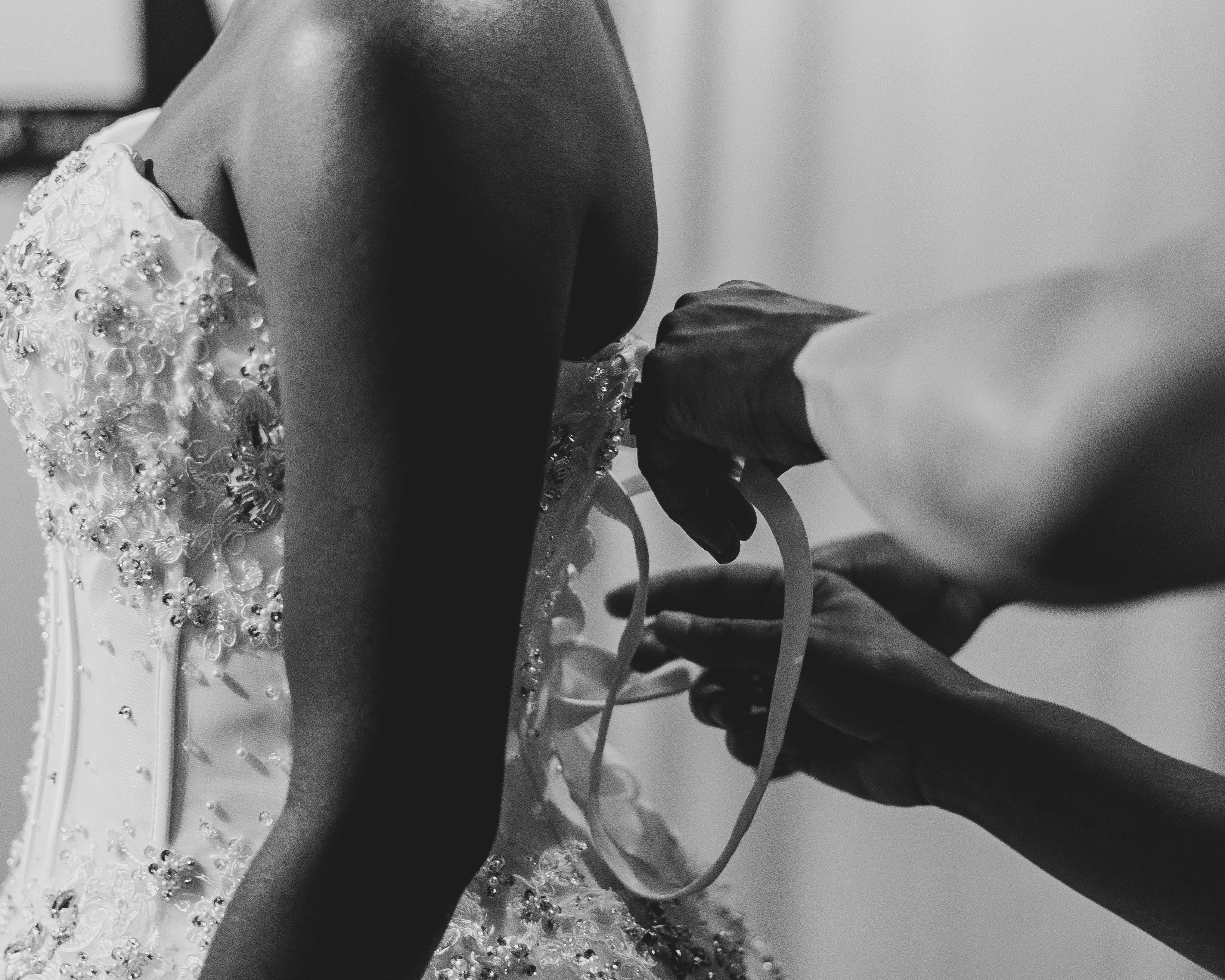
Alteration specialists report a surge in complex requests, including major resizing and design modifications to accommodate loose skin. Melissa Lynn Oddo, an alterations specialist, noted that resizing a dress several sizes down can cost approximately $1,500, effectively creating a custom piece. One recent case involved a bride who needed her dress taken in by more than 20 inches. Designers are also seeing a comeback in adjustable features, such as corsets, to allow for on-the-day fit adjustments.
The trend has also influenced the medical aesthetic sector, with plastic surgeons observing a shift from traditional liposuction to procedures addressing skin laxity and volume restoration. Dr Darren Smith, a plastic surgeon, noted that semaglutide use has normalised cosmetic surgery among brides, with many seeking last-minute procedures for volume loss. Marketing for GLP-1s is increasingly targeted at brides, with spas and clinics in the US and India offering specific bridal packages for weight loss and aesthetic treatments.
This cultural shift has created a new social pressure within the bridal community. Rebecca Schoneveld, a size-inclusive wedding dress designer, observed that some plus-sized brides now feel they must explain why they have not used GLP-1s. While some users report unexpected health benefits, the industry’s response highlights a broader tension between body autonomy and the commercial demands of the wedding industry.