The end of trainerflation: why sneakerheads are ditching £250 shoes for value
As household budgets tighten and the resale bubble bursts, enthusiasts are rediscovering the appeal of affordable, versatile footwear, prompting brands to pivot their strategies.
A quiet rebellion is unfolding within the sneaker community, as enthusiasts push back against rising trainer prices that have frequently exceeded £250. Driven by tightened household budgets and the collapse of the resale market, consumers are increasingly prioritising value and utility over status. This shift marks a significant departure from the recent era of "trainerflation," where flagship running shoes from major brands easily commanded prices between £200 and £250.
The roots of this price surge can be traced back to the 2020 pandemic, according to Dom Jacob, founder of sneaker discovery platform Sneak in Peace. During this period, resale platforms like StockX and GOAT captured a significant portion of the profit from limited releases, leading brands to adjust their pricing strategies. In 2020, for instance, the average Nike SB Dunk Low resold for more than £400, significantly higher than its retail cost. Jacob notes that this era was characterised by a disconnect between price and perceived value, with brands raising prices while, in his view, cutting quality.
Now, the market is responding to a new consumer mindset. Brands are prominently featuring lower-priced models in campaigns and on shop floors, such as Nike’s £80 V5 RNR, the New Balance 740 at £70, and the Asics Gel-1130 at approximately £90. Adidas also offers various models below the £90 mark. The demand for these affordable options is evident; Nike’s £79.99 Mind 001 slide, for example, remained sold out for seven months, demonstrating that lower price points can generate substantial excitement.
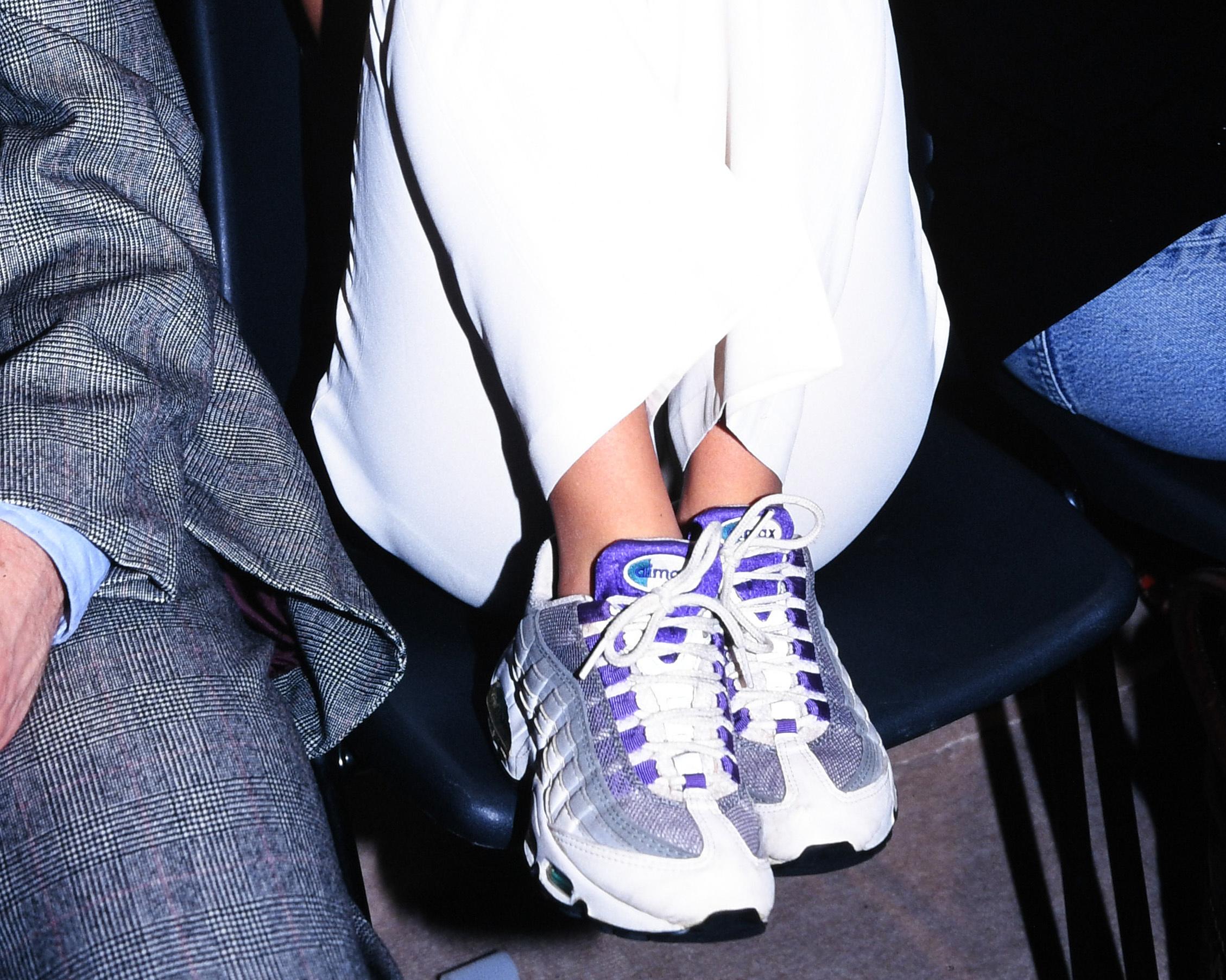
Mikey Clarke, an app developer and trainer collector of over a decade, recalls the mid-1990s when Nike’s Air Max 95, nicknamed "110" for its £110 price tag, was considered expensive but attainable. Today, he finds himself thinking harder before purchasing. "If I’m spending that kind of money, the shoe has to do everything rather than just being a nice addition to the collection," he says. This sentiment reflects a broader trend where value itself is becoming a key part of the appeal.
This is not the first time fashion has embraced affordable trainers. In 2010, designer Phoebe Philo popularised the Adidas Stan Smith, a simple tennis shoe costing around £70, and more recently, the £95 Adidas Samba became a major fashion item before being associated with former Prime Minister Rishi Sunak. However, the current shift is distinct because it is driven by enthusiasts who previously thought nothing of spending £250 on a pair. For them, getting excited about an £80 Nike represents a significant change in behaviour.
Jacob believes trainers are returning to their origins as the "daily runner," suitable for both a morning jog and a trip to the supermarket. This crossover utility makes affordable pairs look like better value. Additionally, Vinnie Tao, founder of Manchester-based shoe care boutique Sneaker Pharm, has noticed an increase in customers choosing to repair worn-out pairs rather than replace them, a trend he attributes to a combination of economics and sustainability.