The Economist: China serves as convenient political bogeyman in US
Analysis suggests accusations of improper influence distract from substantive issues as Trump and Xi meet in Beijing for first presidential visit since 2017.
The Economist has published an analysis on 22 June 2026 arguing that accusations of influence-peddling obscure the underlying realities of United States-China relations. The publication suggests that China serves as a convenient political adversary, or bogeyman, in American domestic politics, potentially distracting from more substantive issues.
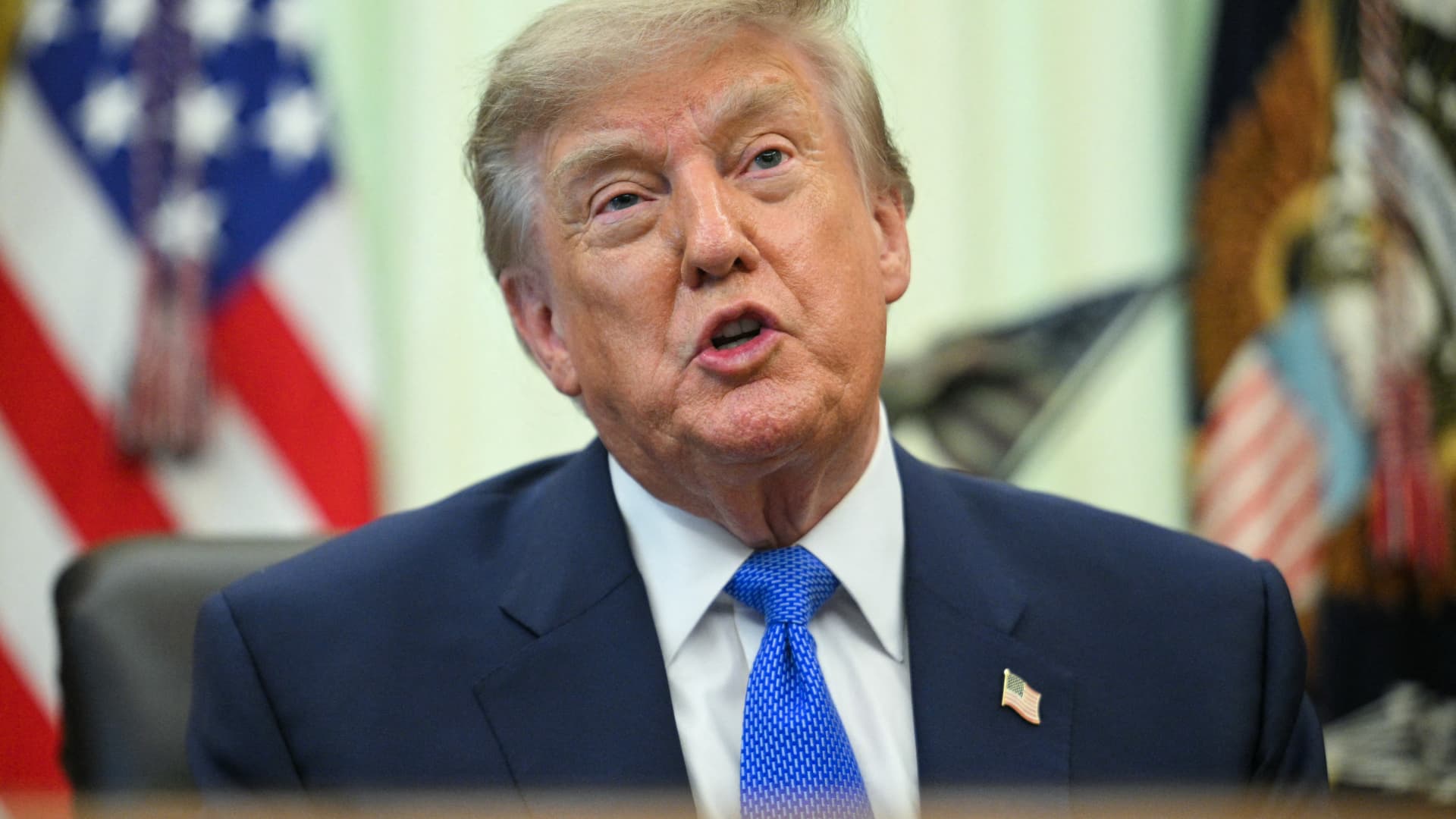
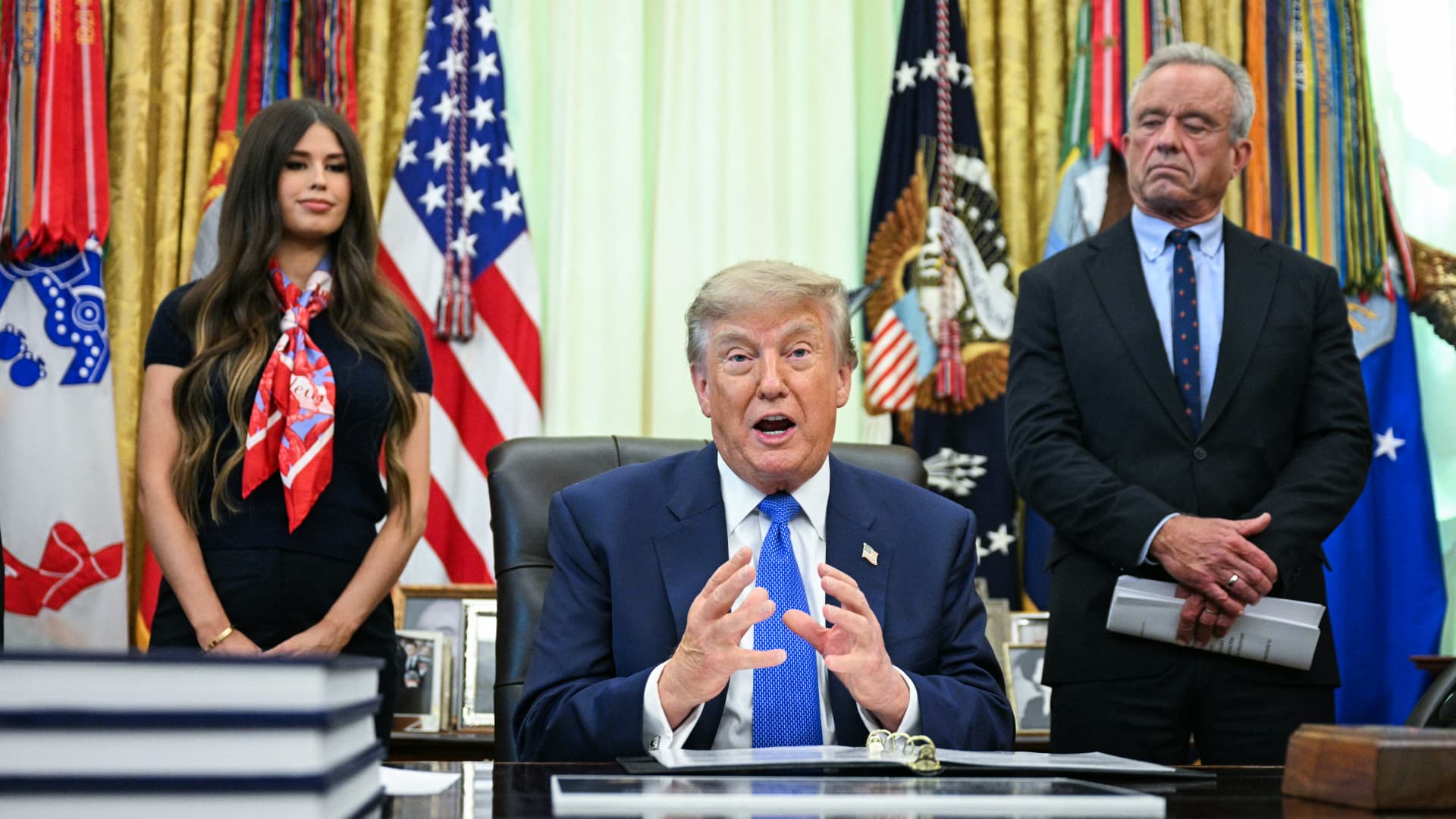
The commentary follows a recent summit in Beijing between US President Donald Trump and Chinese President Xi Jinping. This meeting marked the first visit by an American president to China since 2017. The summit agenda included discussions on trade, artificial intelligence, and security in the Strait of Hormuz.
High-profile US business leaders attended the summit, including Elon Musk, Tim Cook, and Jensen Huang. Their presence underscores the commercial dimensions of the diplomatic engagement, even as The Economist posits that the political framing of the relationship often benefits US domestic politics by providing a unified external target.
The economic context surrounding the summit includes significant movements in the technology sector. Nvidia shares surged more than 2% following a chip sale approval, while Cisco announced job cuts as part of its restructuring efforts. These market shifts occur against a backdrop of persistent regional tensions.
Iran is currently experiencing hyperinflation and military uncertainty, including the recent shooting down of a US helicopter. The Economist’s analysis positions the narrative of China as a political bogeyman within this broader landscape of global instability and economic adjustment.