The Dry Cleaner’s Secret: How Minor Adjustments Turn Vintage Finds into Bespoke Fits
In a recent column for The Guardian, Libby challenges the perception that tailoring is an exclusive luxury, advocating instead for a monthly relationship with local dry cleaners to perfect vintage purchases.
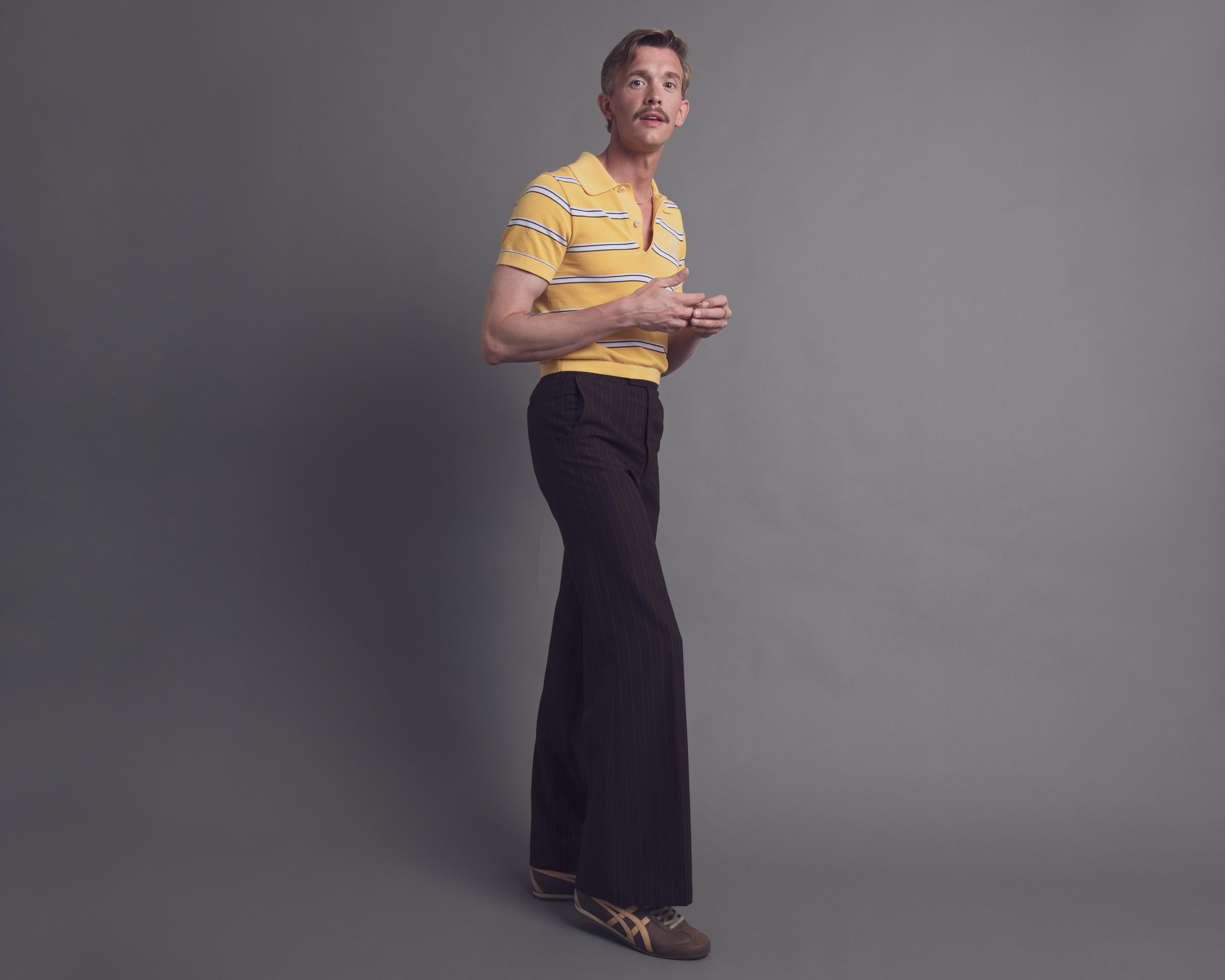
Former Traitors contestant Stephen Libby is urging fashion-conscious consumers to look beyond the high street and reconsider the capabilities of their local dry cleaner. In a column published in The Guardian on 12 August 2026, Libby argues that minor alterations can transform ill-fitting vintage garments into bespoke pieces for under £30, effectively dismantling the notion that professional tailoring is an inaccessible luxury.
Libby recounts his own journey from buying oversized shirts and trousers that never saw wear, to realising that a belt is an accessory rather than a necessity for holding up ill-fitting clothes. He notes that dry cleaners are often fully equipped to perform essential adjustments, such as taking in waists, hemming trousers, and tightening side seams on shirts. For many, these simple interventions are enough to turn a discarded item into a wardrobe staple.
The cost of these services is frequently lower than anticipated. Libby shares that a complete waist adjustment and hemming of a pair of trousers cost him just £20. He advises shoppers to inspect vintage items for generous hems and extra fabric in the seams before purchasing, as these features make future alterations significantly easier and more affordable.
While acknowledging that tailoring was a common practice in the 1980s and 1990s, Libby suggests that modern consumers should embrace outsourcing these tasks if they lack the skills to do it themselves. He recommends building a trusting relationship with a cleaner, visiting monthly to discuss fit and style. This approach allows for more complex modifications, such as cropping a suit jacket into a bolero shape or, in one instance, completely rebuilding a jumpsuit for £80.
Despite promoting sustainable fashion choices, Libby clarifies that the primary responsibility for environmental impact lies with larger corporations rather than individual consumers. He encourages people to realise they have more choice in vintage shops than they might think, using professional alterations to ensure every purchase fits perfectly.