The Berlin Wall’s bureaucratic legacy: How a historian’s family was split by policy
Historian Erich Guetinger details how visa regimes and Stasi surveillance fractured his family, arguing that economic disparities have left a lasting "wall in the mind" decades after reunification.
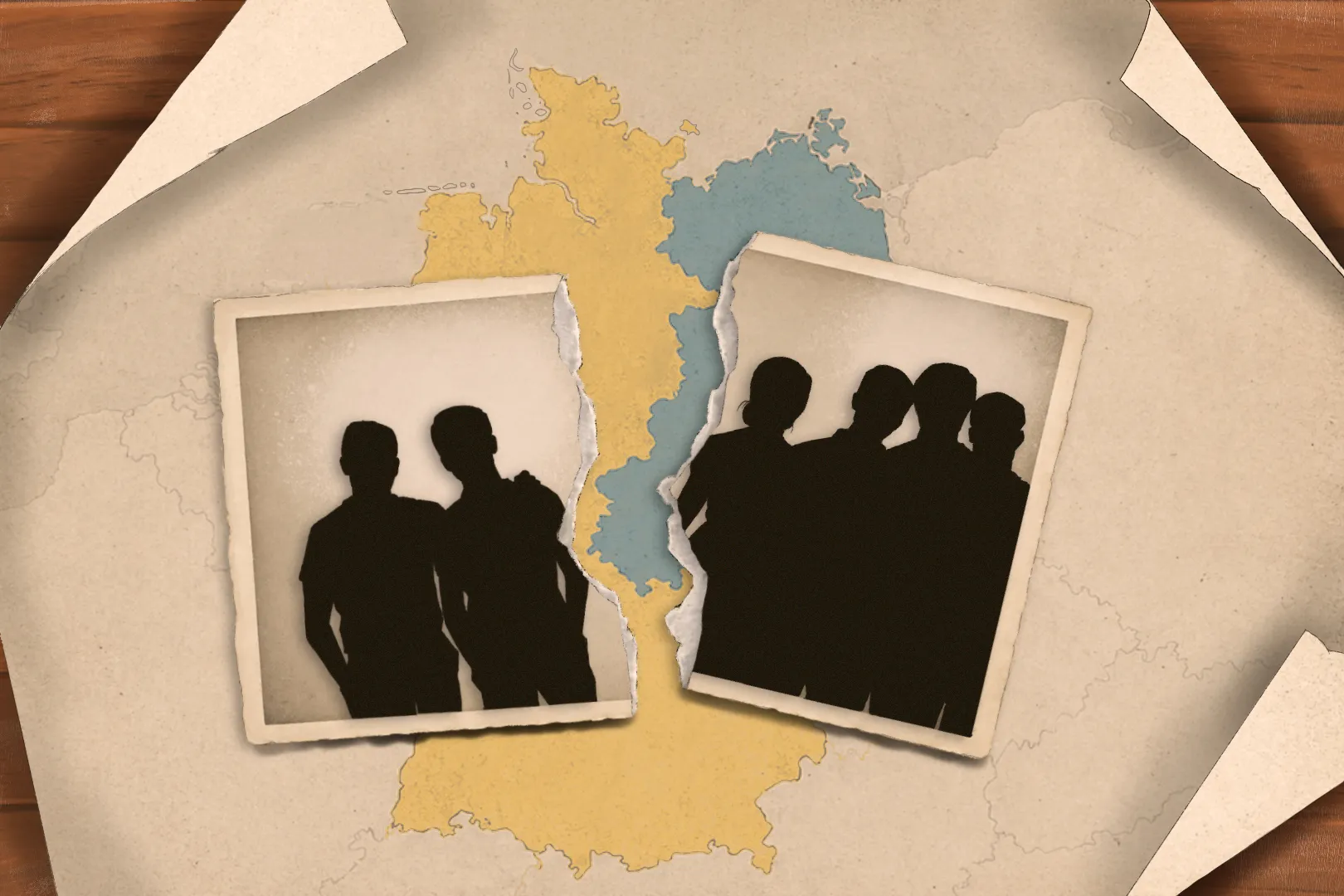
Historian Erich Guetinger, 75, has published a long-form feature for Al Jazeera Global News detailing how the political partition of Germany fractured his family. The division, which saw his uncle Hans and relatives relocate to East Germany in 1958 while the rest remained in Bavaria, transformed a short car journey into a complex administrative ordeal. Guetinger’s account highlights how institutional structures, rather than just physical barriers, defined the lived experience of the Cold War.
In 1969, Guetinger and his father undertook a visit to their relatives in Brieskow-Finkenheerd, a village near Frankfurt an der Oder. The trip required a visa process lasting two to three weeks, during which they had to inform German Democratic Republic (GDR) officials of their accommodation and purpose. They travelled via designated transit corridors, with border guards inspecting visas and identification documents upon entry. The bureaucratic weight of the journey was such that Guetinger compared the distance to the moon, despite the physical proximity of the two states.
The visit was conducted under the pervasive shadow of the Stasi secret police. Guetinger recalls that his uncle and his friends would scan rooms for eavesdroppers before discussing private or political matters. This institutional surveillance created a climate of caution that persisted even during family gatherings. The fear was compounded by the knowledge that postal correspondence was carefully checked, leading the family to send Western goods like coffee and blue jeans in parcels that might not arrive.
A parallel separation was experienced through Guetinger’s marriage to Yan-Yun, a Chinese nurse from Taiwan. The couple used West Berlin as an informal postal hub to reconnect Yan-Yun’s family in Taiwan with relatives in mainland China. This channel was established after West Germany established diplomatic relations with the People’s Republic of China in 1972. In 1988, the couple visited mainland China, marking Yan-Yun’s first return in over four decades and bridging a 40-year family divide.
Although the Berlin Wall fell in 1989, Guetinger argues that the legacy of division remains embedded in the social fabric. He points to persistent economic disparities and the sense among some eastern Germans that their institutions were swept aside during reunification. A study by the Bertelsmann Foundation, based on research by the Berlin institute pollytix, found that 84 percent of eastern respondents felt the unified nation should have retained more elements of the GDR. Guetinger describes this as the "Mauer im Kopf," or wall in the mind, affecting subsequent generations.
The historian’s narrative underscores the role of governance in shaping personal histories. From the strict currency exchange rules that once trapped Guetinger at the border to the visa restrictions that forced clandestine travel in private cars, policy dictated the terms of family unity. As Guetinger notes, the ability to move freely is a fundamental political right, and its absence leaves a lasting imprint on national identity.