The Architecture of Attire: How Seven Professionals Wear Their Values
A recent feature by The Guardian examines the sartorial choices of seven individuals, exploring how clothing functions as a tool for connection, professional identity, and social commentary.
On 16 August 2026, The Guardian published a detailed examination of the daily attire worn by seven individuals from diverse professional backgrounds, including a retired engineer, a psychoanalyst, a congregational rabbi, a general practitioner, an international correspondent, and a disability activist. The feature moves beyond superficial aesthetics to explore how clothing choices serve as deliberate expressions of identity, professional philosophy, and personal values. By analysing the specific garments and accessories selected by these individuals, the article highlights the complex interplay between personal comfort, social signalling, and cultural subversion in contemporary life.
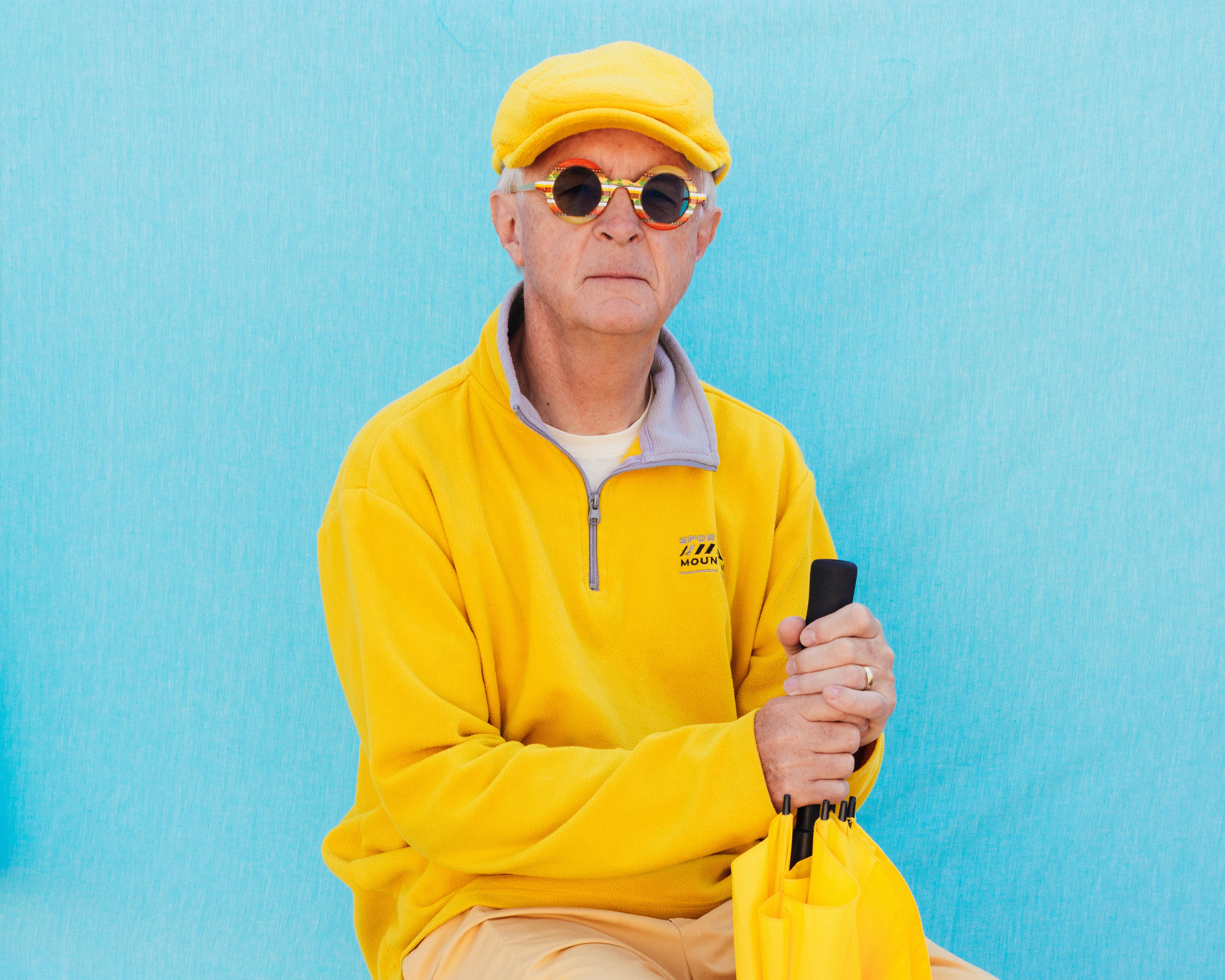
Andrew Geldart, a 65-year-old retired engineer from Cornwall, utilises colour as a primary mechanism for community engagement. After decades of wearing conventional grey and navy, Geldart adopted a bright sunflower yellow palette a decade ago to foster approachability and connection in his new coastal community. He describes the colour as a tool to encourage conversation and spread positivity, noting that it acts as a social lubricant in an era of digital isolation. While he maintains a beige wardrobe for community outreach roles where blending in is necessary, his signature yellow serves as a visual invitation for interaction, allowing him to honour friends and connect with strangers alike.
In London, psychoanalyst Anouchka Grose employs vintage and oversized clothing to challenge the traditional authority associated with her profession. Rejecting the concept of "analytic neutrality" as a form of conservative conformity, Grose wears slogan tees and secondhand garments from the 1920s to 1960s to create a sense of "quiet surrealism" with her clients. Her style, which includes items like a tee reading "Dress for the male gays," is an explicit rejection of fast fashion and advanced capitalism. For Grose, attire is a ritualistic expression of identity that allows her to subvert professional norms while maintaining a critical distance from dominant cultural timelines.
The intersection of faith and fashion is explored through the lens of an unnamed congregational rabbi who coordinates her footwear with the 12 Hebrew months. This practice allows her to express the multiplicity inherent in Judaism while subverting traditional religious dress codes. From Birkenstocks for the contemplative month of Tammuz to jelly sandals for Adar, her shoe choices function as a form of storytelling that invites community engagement. By selecting her own shoes within a traditional robe, she creates a visual representation of authenticity, aiming to make religious practice feel accessible and relevant to a generation struggling with spiritual connection.
Medical professionalism is redefined by a female general practitioner who avoids scrubs, viewing them as having been "hijacked" by social media influencers. Instead, she practices "dopamine dressing" with patterned blazers and jewellery, which aids her focus given her autism and ADHD. Her approach balances power dressing with personal expression, rejecting the "scruffy" aesthetic associated with pandemic-era norms. She argues that her attire fosters trust and welcomes patients, serving as a rebellion against the shaming she experienced in medical school regarding her professional appearance.
International correspondent Lorenzo Tondo adopts vintage grunge-style workwear, such as Carhartt, for its practicality in conflict zones and its symbolic rebellion against luxury fashion norms. Having worn these garments in war-torn regions like Ukraine and Syria, Tondo finds that their approachability helps bridge the distance between himself and subjects, unlike formal suits. His style, rooted in the 1990s, represents a quiet resistance to the superficial aesthetics of high fashion and a desire to feel rooted in his environment, regardless of geographic location.
Finally, disability activist Lucy Edwards prioritises tactile comfort and sensory experience in her wardrobe, moving away from the "internalised ableism" of her sighted past. Now blind, she selects flowy, textured fabrics like sequins and velour that feel good rather than those that merely look good. Her activism extends to her accessories, including a glittery harness for her guide dog and a matching glittery cane, which she uses to challenge societal perceptions of disability. For Edwards, getting dressed is a freeing ritual that grounds her and allows her to assert her identity on her own terms, proving that style and comfort are not mutually exclusive.