Thailand’s military lottery sparks debate amid Cambodia tensions
The televised event determines the fate of tens of thousands of young men, drawing scrutiny over alleged systemic abuse and corruption against a backdrop of recent border clashes.
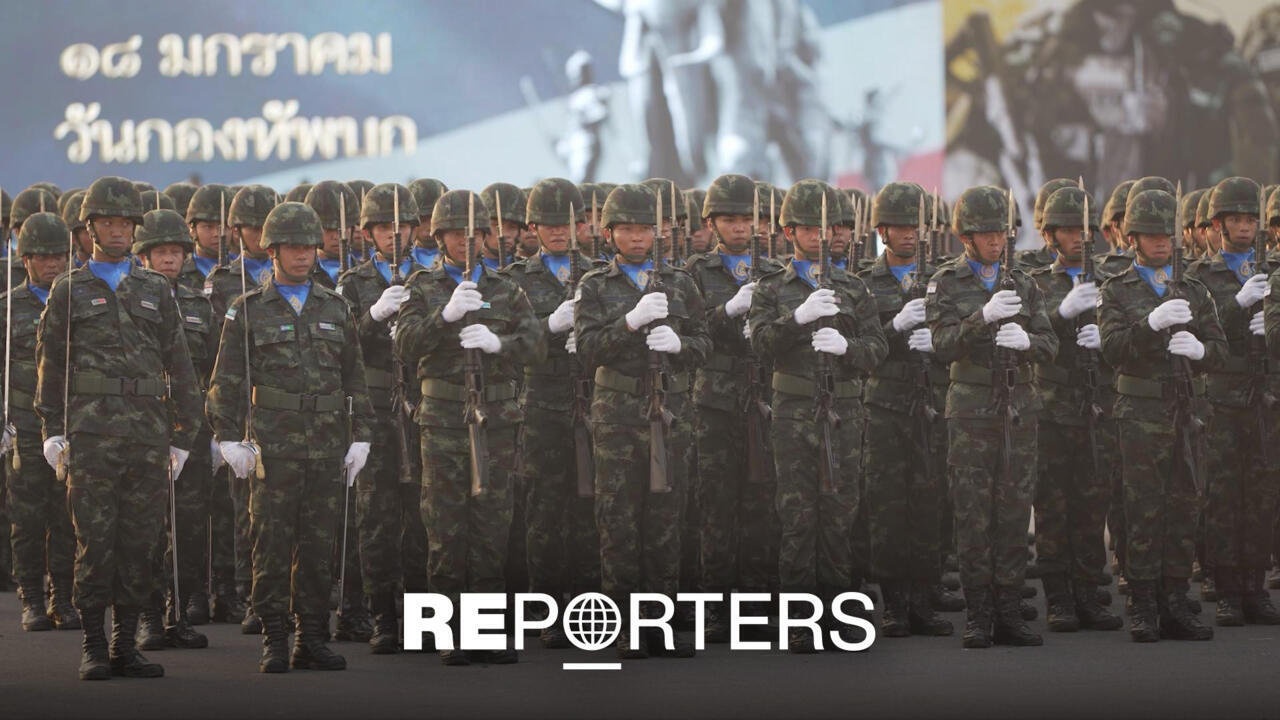
Thailand’s annual military lottery has taken place, determining the conscription fate of tens of thousands of young men aged 21 and over. The ceremony, which serves as the mechanism for mandatory service, has drawn significant criticism for being unfair and outdated. The event unfolds against a backdrop of heightened military alert, following armed confrontations between Thailand and Cambodia in July and December 2025.
The lottery is more than a bureaucratic formality; it is a nationwide spectacle broadcast on television and widely shared across social media platforms. Despite the public nature of the draw, the system remains contentious. Critics and activists have highlighted allegations of corruption and abuse within the conscription framework, questioning the integrity of a process that dictates the lives of so many citizens.
A handful of politicians and activists have spoken out against what they characterise as a corrupt system. They have pointed to allegations of abuse suffered by recruits once they are enlisted, adding to the growing scrutiny of the military’s internal practices. These claims have intensified the debate surrounding the fairness of the current conscription model.
Tensions between Thailand and Cambodia remain elevated despite a ceasefire following the 2025 confrontations. The Thai military is currently on heightened alert, a context that underscores the strategic importance of maintaining troop numbers through the annual draft. The timing of the lottery, therefore, carries added weight in the current security landscape.
The specific number of young men affected by this year’s lottery is described only as tens of thousands, with no precise figure provided. Similarly, the exact nature and extent of the alleged corruption and abuse are not detailed in the source, only that they have been highlighted by critics. These allegations are attributed to critics, activists, and politicians and are not yet established as facts.
As the ceremony concludes, the focus shifts to the implications for those selected and the ongoing political discourse surrounding military reform. The event highlights the intersection of tradition, governance, and security in Thailand, where the legacy of conscription continues to clash with modern demands for accountability and transparency.