Thailand terminates maritime accord with Cambodia as border tensions escalate
The decision to scrap MoU 44 marks a regression in bilateral relations, shifting the dynamic from collaborative governance toward unilateral nationalist posturing while Cambodia seeks compulsory conciliation under UNCLOS
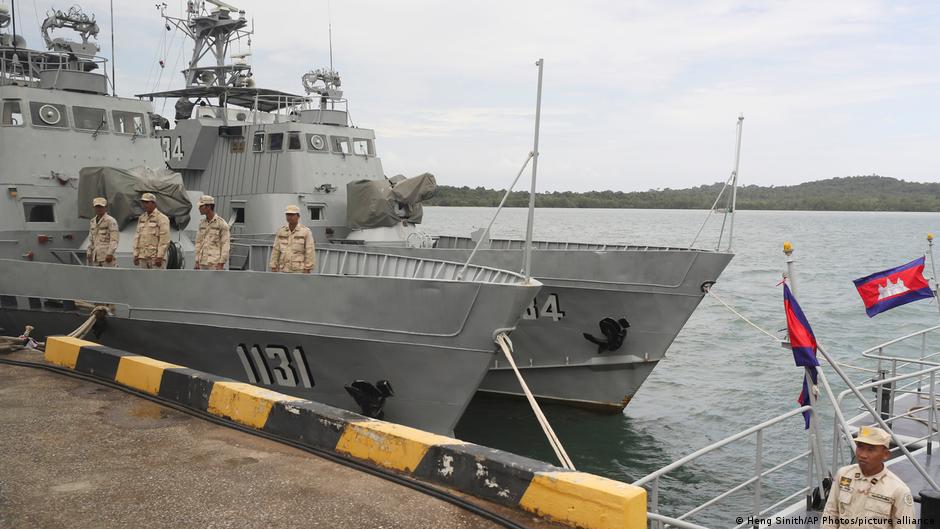
Thailand has formally terminated MoU 44, a 2001 memorandum of understanding between Bangkok and Phnom Penh intended to resolve overlapping maritime claims and jointly manage offshore resources in the Gulf of Thailand. The agreement, which had stalled for over two decades despite five rounds of talks, is now officially scrapped. This decision marks a significant regression in bilateral relations, shifting the dynamic from collaborative resource management toward unilateral nationalist posturing.
The termination follows a deadly land conflict along the 800-kilometre border that has killed at least 150 people and contributed to a political crisis in Bangkok. While the new Thai government claims the decision stems from the agreement's failure to deliver results after 35 years, analysts suggest it signals a shift toward nationalist posturing. The pact had provided a bilateral framework for resolving overlapping maritime claims and helping the countries jointly manage offshore resources, including potential oil and gas reserves around islands such as Koh Kood.
Cambodia has announced it will initiate a compulsory conciliation process under the UN Convention on the Law of the Sea (UNCLOS) following the termination of MoU 44. The move comes as Phnom Penh faces international scrutiny over its association with cyber-scam centres, which has limited its diplomatic leverage against the stronger neighbour. Cambodia has previously applied to the International Court of Justice for compulsory conciliation and is appealing to the US and China for mediation.
Thailand's new Prime Minister, Anutin Charnvirakul, has confirmed the termination of the pact, citing its failure to deliver results after 35 years as the primary justification. The government insists this is not linked to the ongoing border fighting, though the conflict has triggered a political crisis which ousted the previous administration. The dispute over territory has become a test of patriotic credentials on both sides, with the Thai military benefiting from the tensions to boost pro-military nationalism.
Cambodia is seeking international support and legal recourse, having previously succeeded against Thailand at the International Court of Justice over the Preah Vihear temple. However, experts note that Cambodia's position depends heavily on international support because Phnom Penh's strongest arguments are legal and diplomatic rather than military. As the smaller state facing a stronger neighbor, Cambodia benefits when the dispute is framed around treaties, maps, international law, and third-party mechanisms.
The background of this diplomatic rupture includes reports that the illicit scam industry could be worth billions annually, roughly a third of the country's formal GDP. While Bangkok claims its military strikes are intended to fight scammers, analysts argue that Cambodia's soft power is at its lowest in decades, complicating its ability to call out Thai aggression internationally. The termination of MoU 44 underscores the fragility of regional stability when governance mechanisms fail to address underlying territorial disputes.