Thailand advances Clean Air Act amid economic and enforcement concerns
The House of Representatives voted 611 to 3 to revive the bill, which imposes fees on major emitters and targets PM2.5 pollution, though experts warn of limited impact from transboundary haze and weak enforcement mechanisms.
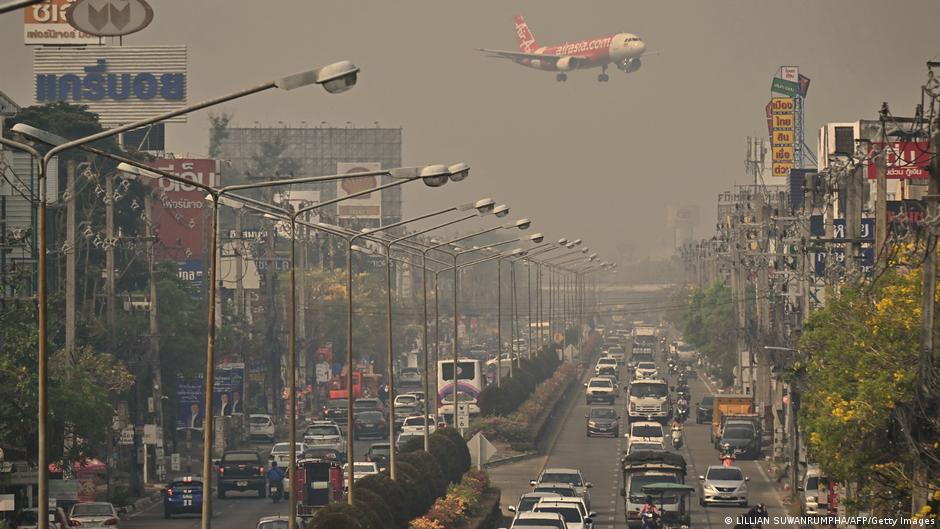
Thailand’s House of Representatives has voted 611 to 3 to advance the Clean Air Act, a significant legislative move that formally recognises clean air as a protected public right. The bill, which now proceeds to the Senate for scrutiny before potential endorsement by the Prime Minister and the King, aims to consolidate fragmented environmental laws into a coordinated national framework. Originally proposed by non-governmental organisations in 2019, the legislation was revived by Prime Minister Anutin Charnvirakul’s government after being stalled following the dissolution of the previous parliament in December.
The proposed Act imposes financial liabilities on major emitters across industry, transport, and agriculture, requiring them to pay fees, fines, or compensation for pollution damage. It seeks to trace supply chains, including agricultural imports, to ensure products linked to open burning or transboundary haze do not escape regulatory scrutiny. The legislation also establishes a Clean Air Fund to support pollution reduction, public health responses, and assistance for farmers transitioning away from burning practices.
Public health pressures have intensified the push for reform. In 2023, approximately 10 million people sought medical care for pollution-related illnesses, while the World Health Organization estimates that air pollution contributes to more than 32,000 premature deaths in Thailand annually. The bill introduces stronger air-quality monitoring systems, empowers local authorities to take action when pollution exceeds safe levels, and allows for broader official powers, including searches, seizures, and business shutdown orders.
However, the legislation has faced opposition from within Prime Minister Anutin’s ruling Bhumjaithai Party and conservative lawmakers. Critics argue that the bill’s broad enforcement powers could allow government agencies to act without court warrants, potentially imposing new costs on businesses. Business groups have warned that pollution fees and clean-air levies could raise operating costs at a time when Thailand’s economic growth outlook remains modest, with the World Bank projecting 2026 growth at just 1.6% amid rising energy costs linked to Middle East tensions.
Experts question the bill’s effectiveness given the geographical realities of air pollution. Piyapong Boossabong, an associate professor at Chiang Mai University’s School of Public Policy, noted that the bill may reduce only around 30% of overall air pollution because much of the haze affecting Thailand’s north is transboundary, drifting from neighbouring states. He also highlighted concerns that the Senate may call for revisions due to overlapping laws and burdens on the business sector. Furthermore, academics warn that Thailand’s regulatory system has historically struggled with enforcement, particularly regarding agricultural burning tied to rural livelihoods and powerful agribusiness supply chains.