Texas Attorney General Accused of Forum Shopping in At Least 30 Cases
An investigation by ProPublica and The Texas Tribune identifies a pattern of lawsuits filed in counties with tenuous connections to the alleged wrongdoing, raising concerns about judicial integrity and consumer protection.
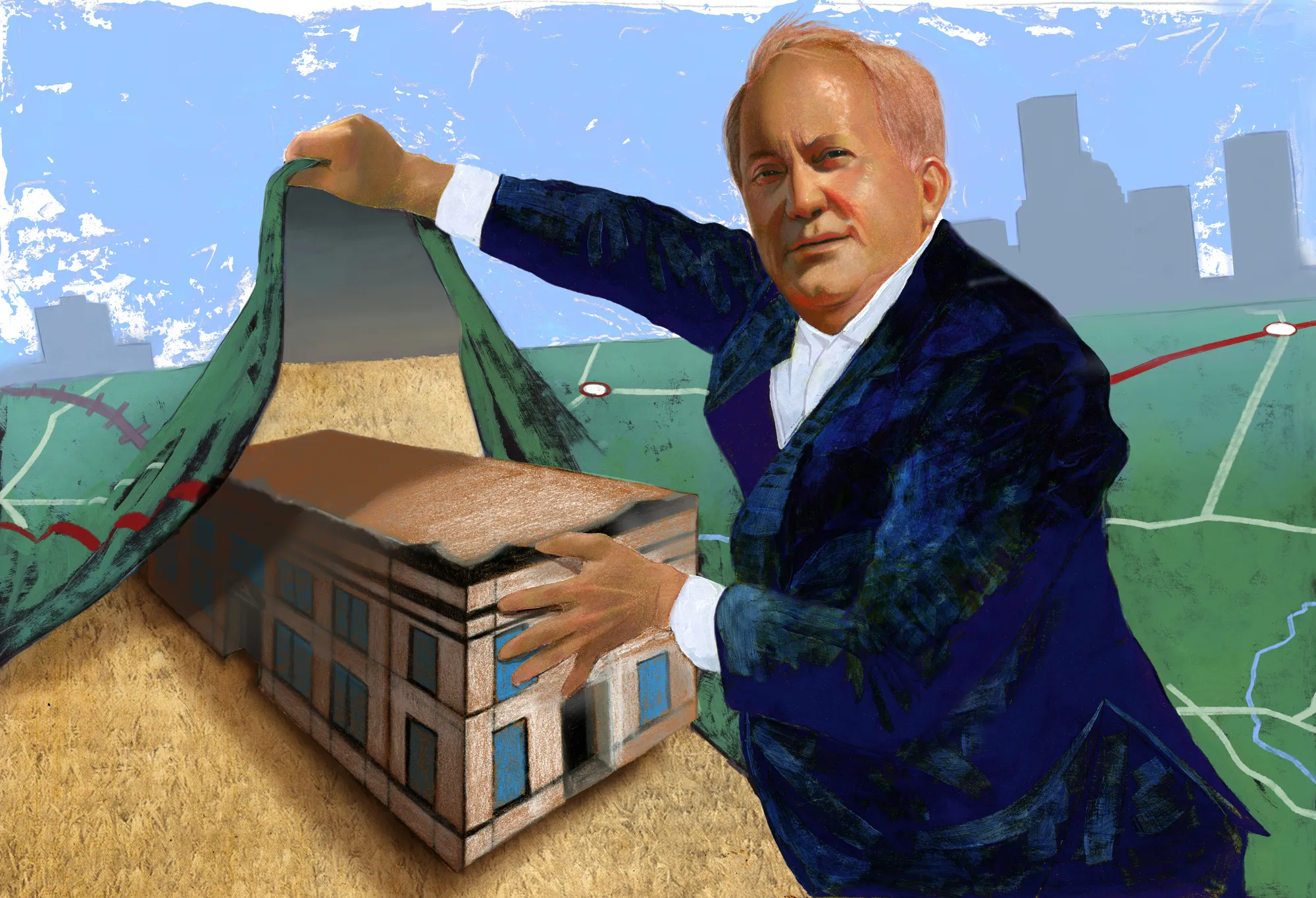
Texas Attorney General Ken Paxton has filed at least 30 cases over the past nine years in counties with minimal connections to the alleged wrongdoing, a practice legal experts describe as improper forum shopping. This approach marks a significant departure from Paxton’s 2017 stance, in which he urged the US Supreme Court to crack down on the tactic, arguing it reduced confidence in the fairness of the justice system. Critics note that these filings subvert 1990s legislation designed to require plaintiffs to sue in counties where a substantial part of the violation occurred.
Recent litigation highlights this trend, including cases against pharmaceutical companies regarding Tylenol filed in Panola and Bailey counties, and a suit against Roblox in King County. In the Tylenol matter, Paxton’s office hired the Chicago law firm Keller Postman to argue claims that the drug caused autism and ADHD in children. The firm had previously lost a similar case in New York, where a judge found the expert witnesses unreliable. Instead of filing in Austin or other large urban centres with experience in complex litigation, the state chose Panola County, a community of 23,000 residents on the Louisiana border with a single Republican district judge.
Legal representatives for the drugmakers accused Paxton’s office of pushing a baseless lawsuit through forum shopping. Kim Bueno, representing the pharmaceutical companies, stated that the claims had been rejected repeatedly by courts of law. Despite a Panola County judge dismissing five of the six claims and ruling that the state lacked jurisdiction over Johnson & Johnson and Kenvue Inc., the attorney general’s office filed a new case against the companies in Bailey County two weeks later.
The attorney general’s office has also tested novel interpretations of state law to establish jurisdiction. In a 2022 lawsuit against AstraZeneca, the office argued that Harrison County was a proper venue because the company’s website could be accessed there. The 15th Court of Appeals later overruled the trial judge, concluding that the office failed to provide proof that any alleged lawbreaking occurred in Harrison County and ordered the case transferred to Travis County. Similarly, in the Roblox case, the state argued that internet accessibility established jurisdiction in King County, a ranching community of about 200 people. The judge ultimately transferred that case to Travis County as well.
Legal experts warn that these actions erode public trust in the justice system and exploit consumer protection laws. Michael Ariens, a professor at St Mary’s University School of Law, described the strategy as engaging in litigation games that Paxton would otherwise decry. Paul Gugliuzza, a professor at the University of Texas School of Law, called the conduct hypocritical, noting that Paxton had previously argued for restricting forum shopping in federal patent cases while now engaging in it in state courts. The pattern suggests a deliberate effort to select venues believed to be more favourable to the state’s interests.