Tetreault calls for ATP reform after Sinner and Djokovic withdraw from Canada Masters
Tennis Canada confirms withdrawals of world number one Jannik Sinner and Novak Djokovic, prompting calls for structural changes to mandatory participation rules.
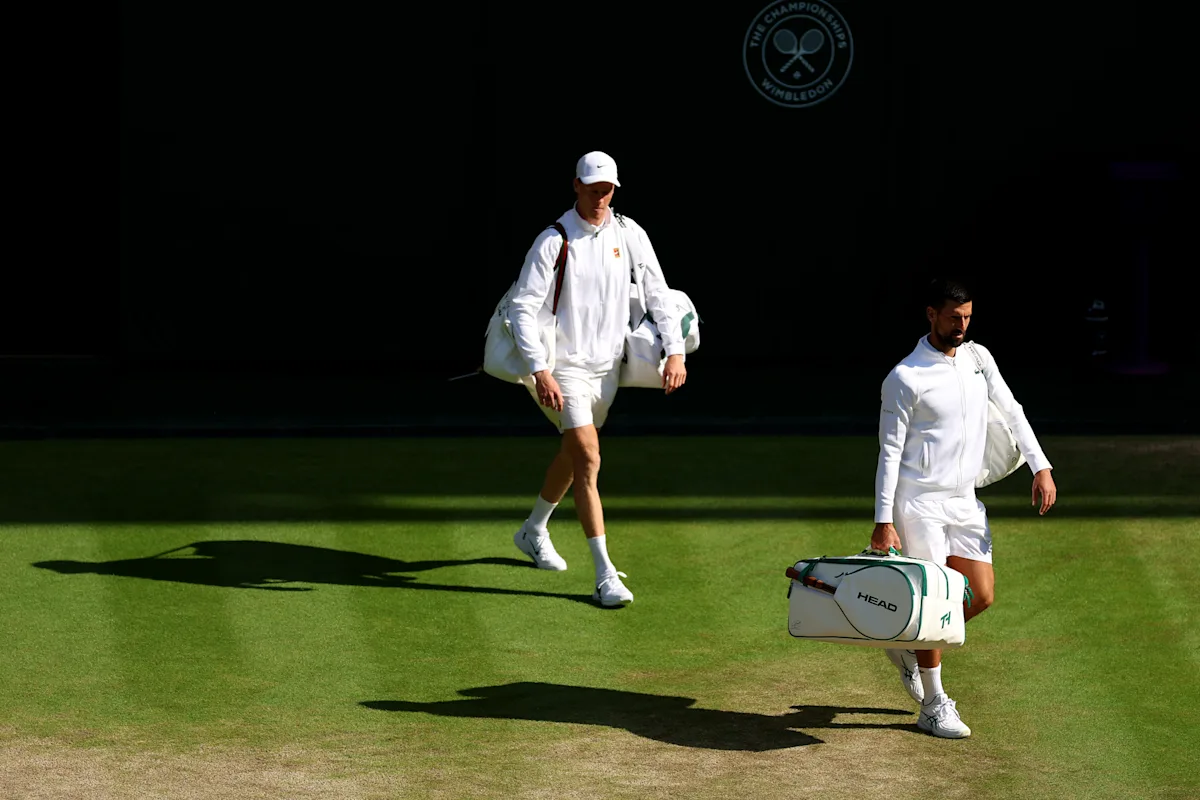
Tennis Canada has confirmed that Jannik Sinner and Novak Djokovic will not compete in the upcoming National Bank Open in Montreal, marking the second consecutive year both players have skipped the event. The withdrawals, announced one week before the tournament’s scheduled start on 1 August, leave the top three seeds absent from the field, with Carlos Alcaraz already sidelined by a wrist injury sustained during the clay season.
Sinner’s exit effectively ends his bid for an unprecedented Masters 1000 sweep. The world number one has won the first five 1000 titles of the year and would have had three remaining opportunities to complete the set. In a statement, Sinner cited a need to prioritise his health after consulting with his team, though he did not specify a particular injury. His last appearance was a successful Wimbledon title defence, following a heat-induced elimination at Roland-Garros in May.
Djokovic, aged 38, has adopted a more selective approach to the calendar, having played only five tournaments this year. He holds exemptions from mandatory tournaments due to his experience on tour. With the absence of the top three seeds, Alexander Zverev, Félix Auger-Aliassime, and Ben Shelton are set to become the new top seeds, with the Canadian Auger-Aliassime positioned as the local favourite.
Tournament director Valerie Tetreault expressed disappointment at the late withdrawals and called for reforms from the ATP regarding mandatory participation and player health management. She noted that the frequency of last-minute exits raises broader issues for the sport, arguing that fans expect to see the world’s best compete in flagship events.
Tetreault stated that Tennis Canada is in discussions with the ATP to ensure the matter receives serious consideration. She emphasised the need for adjustments to protect the integrity of Masters 1000 events while acknowledging the demanding nature of the tennis calendar, which places the Montreal tournament in a difficult position shortly after Wimbledon and before the US Open swing.