Tesla reportedly ends Solar Roof line as it pivots to conventional panels
The electric vehicle maker has informed installers that its tile-like solar product is no longer available, citing financial unviability, while planning a major new manufacturing facility in Texas.
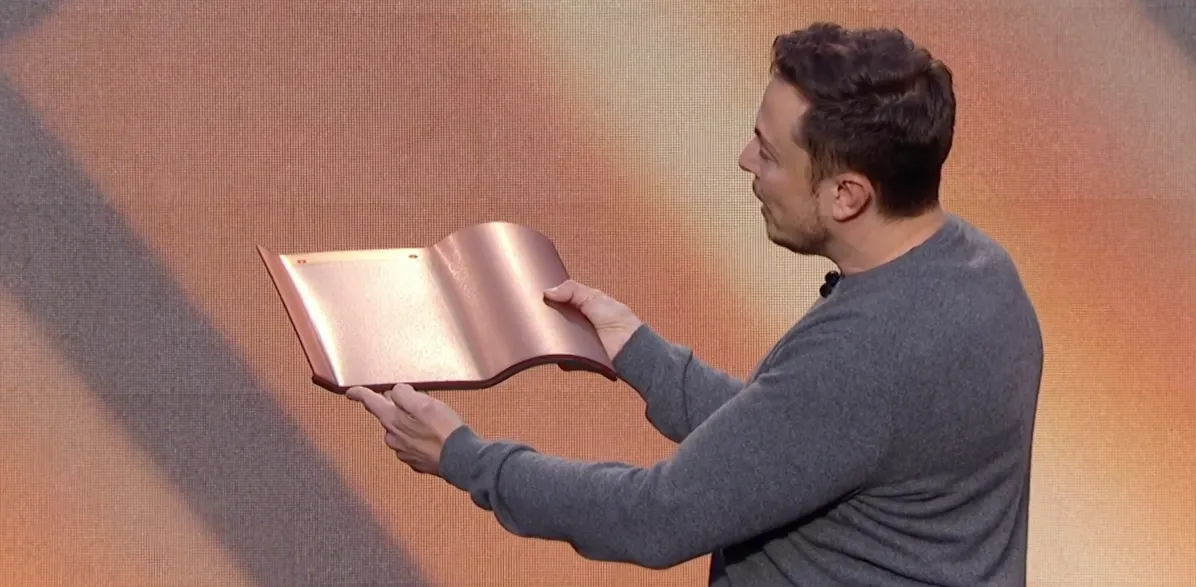
Tesla has reportedly discontinued its Solar Roof product line, concluding that the tile-like solar panels are financially unviable for the company. According to reports from Electrek, the company has informed its third-party installer network that the Solar Roof tiles are no longer available to order. Going forward, only conventional solar panels will be supplied to the network.
Although Tesla has not issued an official press release to confirm the move, changes to the company’s website corroborate the discontinuation. The dedicated Solar Roof page, which launched almost a decade ago, now automatically redirects to the standard solar panel page. Additionally, the “Solar Roof” option has been removed from the navigation menu for Tesla Energy products, leaving only Solar Panels, Powerwall, and Megapack listed as available options.
The project was first revealed in 2016, but mass production was not achieved until March 2020. The venture struggled to meet commercial expectations, with CEO Elon Musk admitting in 2021 that the company made “significant mistakes” that led to over-expenditure and delays. A 2023 report by Wood Mackenzie estimated that only 3,000 US homes had the solar shingles installed since launch, falling far short of Tesla’s target of 1,000 installations per week.
Despite the setback with the Solar Roof, Tesla is seeing greater success with its regular solar panels. The company is currently planning to build a new $10 billion factory near Houston, Texas, to ramp up production of these conventional panels. This strategic shift suggests a focus on scaling more established technology rather than pursuing niche, high-cost products.
The discontinuation highlights the challenges Tesla faces in balancing innovation with profitability in the renewable energy sector. While the Solar Roof offered an aesthetic advantage by blending with standard roofing, the financial burden of production and installation appears to have outweighed the benefits for the company.
Investors and industry observers will likely watch how Tesla leverages its new Houston facility to compete in the broader solar market. The move away from the Solar Roof indicates a pragmatic approach to product viability, prioritising volume and cost-efficiency in a competitive landscape.