Tesla quietly retires solar roof after decade of underperformance
The electric vehicle giant has removed public references to its integrated solar tiles, steering customers toward traditional panels after the product failed to meet ambitious production targets.
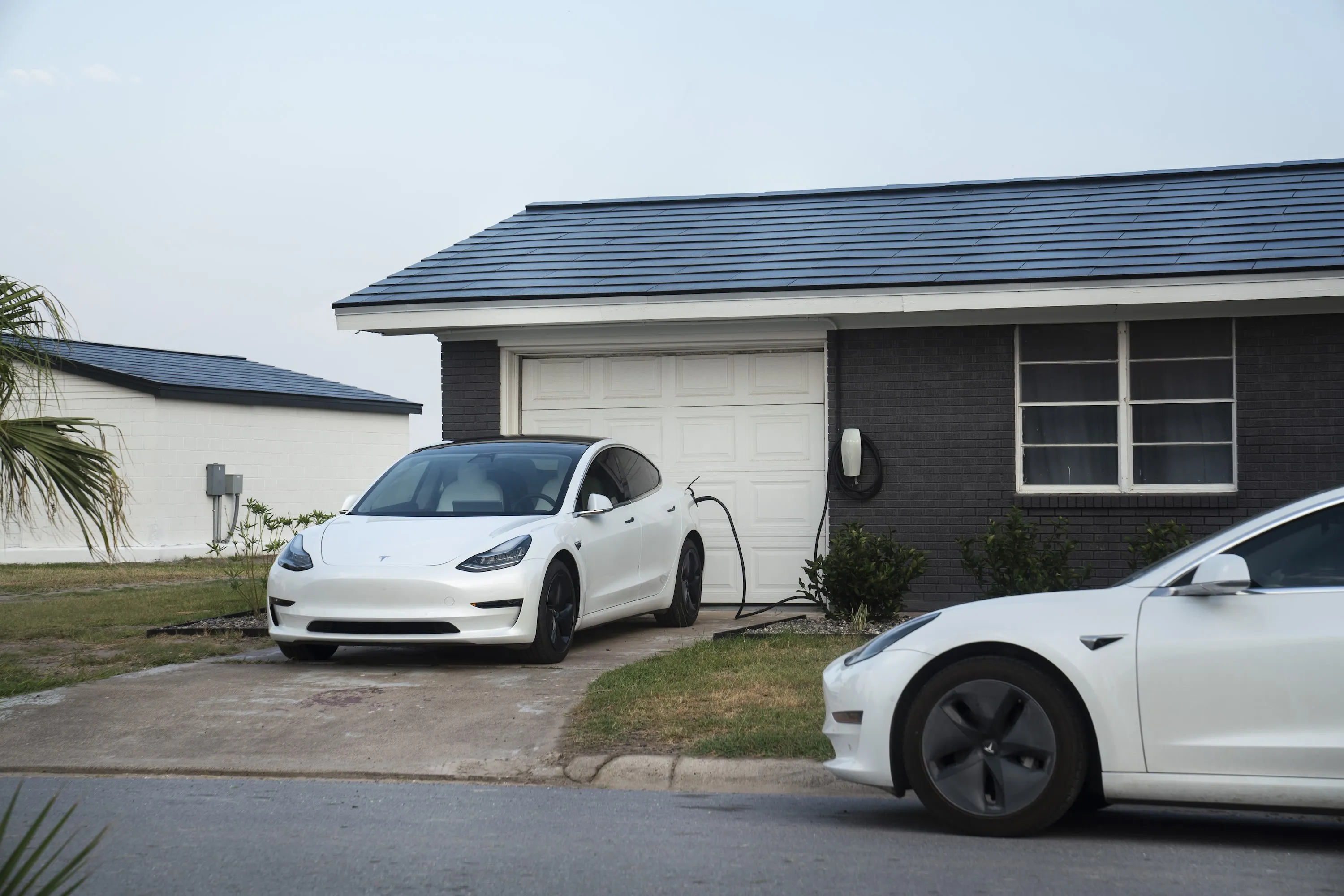
Tesla has effectively discontinued its solar roof product, a move that marks the end of a nearly decade-long experiment in integrated renewable energy. The company has scrubbed public-facing mentions of the product from its website, with TechCrunch confirming that the specific solar roof URL now redirects to a generic solar landing page. All associated support pages have also been redirected, a change first reported by Electrek.
The product, introduced around 2016, was designed to function as a mini-power plant disguised as high-end shingles, terracotta tiles, or slate slabs. Despite lofty initial goals of 1,000 installations per week, the project struggled to gain traction. By 2022, Tesla was achieving only 20 to 40 installations per week, a significant shortfall against its targets.
Cost was a major barrier for consumers. Positioned as a luxury item, the solar roof proved expensive, with some customers reporting quotes of up to $200,000 for installation. While Tesla’s marketing compared the cost to the combined expense of solar panels and a roof replacement, the high price tag remained a deterrent. Unlike standard solar panels, which benefit from global standardisation and economies of scale, the solar roof tiles were unique to the system, requiring Tesla to design and purchase its own manufacturing equipment.
Technical issues further complicated the product’s viability. Reports emerged of non-solar parts warping and roof underlayment melting due to heat exposure. More critically, the system suffered from underproduction, generating less electricity than promised. Analysts suggest that heat was a likely culprit, as the smaller gap between the solar roof and the underlying structure reduced airflow, causing temperatures to rise and cell efficiency to drop.
Despite the website changes, the product is not immediately gone from the market. Two solar installers told TechCrunch that their companies are still offering the solar roof, though availability may depend on project timelines. This suggests Tesla is working to offload existing inventory through third-party partners, meaning the tiles may remain available for some time.
Tesla is now steering buyers toward its traditional solar panels, which have become cheaper as silicon-based technology advances. However, the concept of roof-integrated solar is not entirely dead. Competitors such as GAF and Merlin Solar are still angling for a share of the market, and specific aesthetic preferences among buyers may keep the segment alive. Nevertheless, Tesla’s decision raises questions about the broader viability of the integrated solar roof concept.