Tesla profit dips and production delays mount as capital spend surges
The electric vehicle maker reported a 26 per cent rise in revenue to $28.2 billion, but net income fell 5 per cent as it reallocates resources toward 4680 battery production and its strategic pivot to artificial intelligence.
Tesla reported a 26 per cent increase in second-quarter revenue to $28.2 billion, yet net income declined by 5 per cent to $1.1 billion as the company grappled with surging operational expenses and significant capital outlays. The financial results, detailed in a shareholder letter published on Wednesday, highlight the costs associated with the firm’s strategic transition from a traditional electric vehicle manufacturer to an artificial intelligence and robotics enterprise.
Operating costs ballooned by 47 per cent to $4.3 billion, while capital expenditures more than doubled during the period. Consequently, operating income dropped 57 per cent to $398 million compared to the same period last year. The company also posted negative free cash flow of $1 billion, a stark reversal from the $1.44 billion in positive free cash flow recorded in the previous quarter and the $146 million generated in the corresponding period of the prior year.
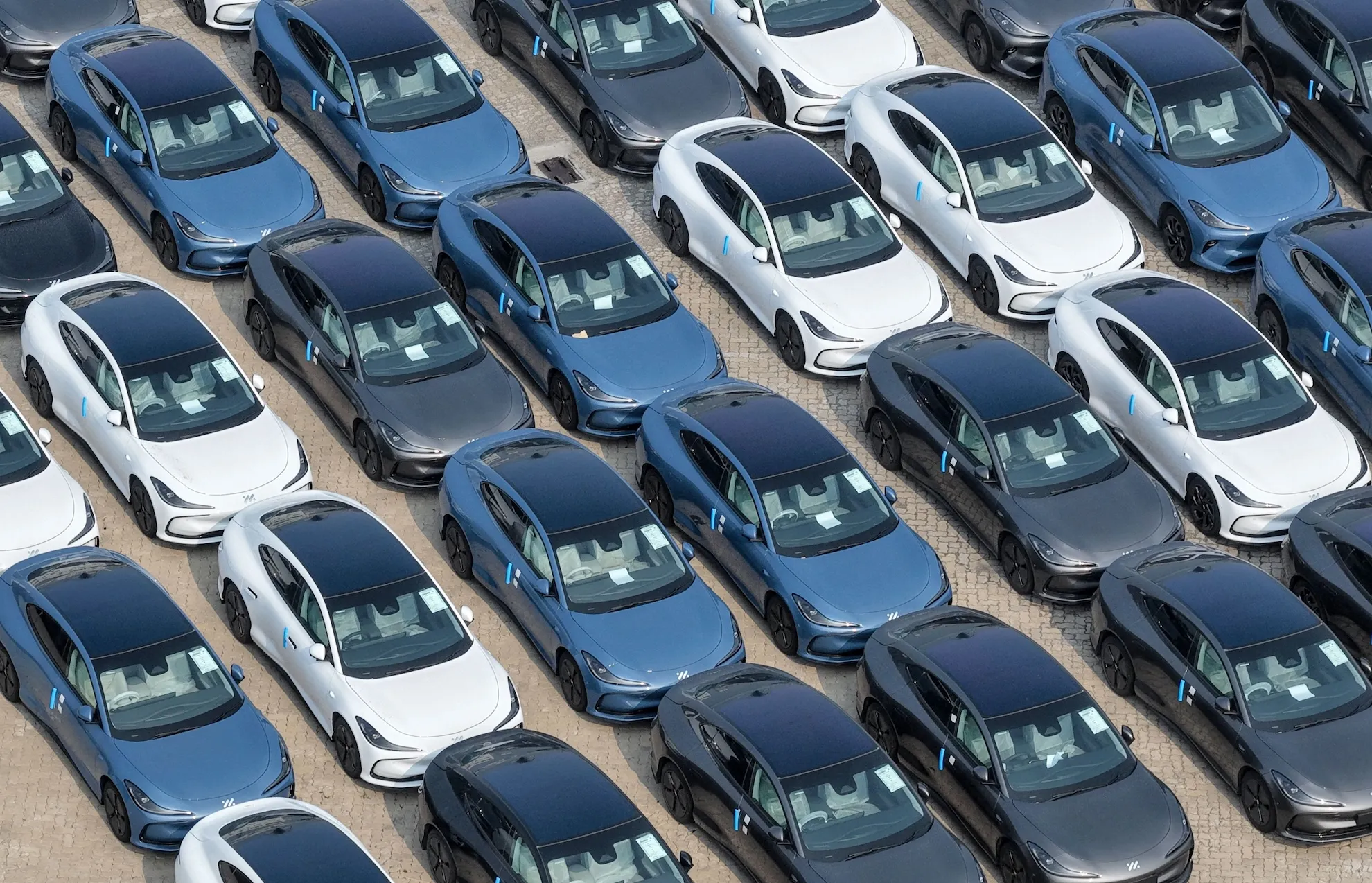
Despite the profitability squeeze, automotive performance showed improvement. Tesla delivered more than 480,000 vehicles in the second quarter, an increase of over 120,000 units from the first quarter and its highest sales volume since the third quarter of last year. Automotive revenue rose to $20.5 billion, up from $16.6 billion in the second quarter of 2025. Revenue from energy storage and solar also improved by 13 per cent to $3.1 billion, helping to buoy overall top-line figures.
However, the company significantly revised its production timelines for key future products. Tesla announced it will no longer achieve volume production of the Cybercab, the Tesla Semi, and the Megapack 3 commercial energy storage solution in 2026. The firm cited a need to increase production of its 4680 battery cells as the primary reason for delaying the Cybercab and Semi. Additionally, Tesla removed previous language regarding volume production targets for its Optimus humanoid robot.
The pullback in production targets underscores the ongoing resource reallocation required for the company’s broader strategic shift. Tesla began manufacturing the first production Cybercabs at its Austin, Texas factory earlier this year but stated it is still building out manufacturing lines for the Semi and Optimus. This spring, the company ended production of the Model S sedan and Model X SUV at its Fremont, California factory to facilitate the manufacturing of the Optimus robot, marking a tangible step in its evolution toward AI and robotics services.