Tesla and SpaceX commit $16.8 billion to Terafab semiconductor plant
The first phase of the multiphase project will produce chips for Optimus robots, Cybercabs and space-based data centres, with total potential spend reaching $119 billion.
Tesla and SpaceX have announced a joint commitment of $16.8 billion for the first phase of Terafab, a semiconductor manufacturing facility located in Grimes County, Texas. The announcement, made on 6 August, marks a significant capital deployment for the two companies, with the initial investment exceeding Tesla’s net income of $3.8 billion over the past 12 months.
The facility, situated approximately an hour northwest of Houston, is designed to consolidate logic, memory, packaging and testing under one roof across more than 100 million square feet. According to the companies, the site will draw water from the Gibbons Creek Reservoir rather than relying on local groundwater supplies.
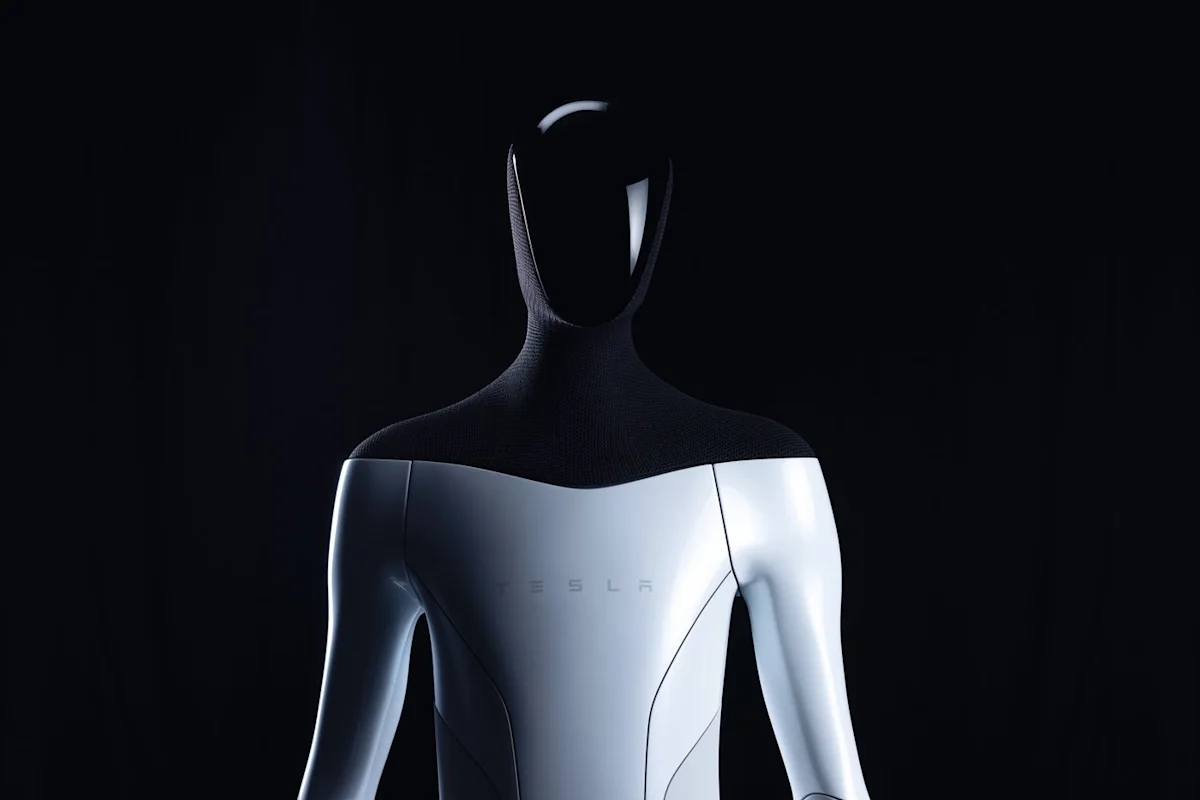
The chips produced at Terafab are intended for Tesla’s Optimus robots and Cybercab, as well as high-power processors for SpaceX’s space-based data centres. Both companies stated that they require more chips than current and future global production can supply, citing the need to support products that are not yet shipping at scale.
While the specific division of the $16.8 billion cost between Tesla and SpaceX has not been disclosed, the financial scale of the commitment is substantial. Tesla holds approximately $43.5 billion in cash and investments, which is sufficient to absorb the phase one commitment. However, the expenditure represents a significant portion of the company’s historical capital intensity, with Tesla spending approximately $12.9 billion on capital expenditures over the past 12 months.
The project is part of a larger multiphase plan that could reach $119 billion, according to SpaceX’s Texas tax-incentive filings. Tesla’s market capitalisation is reported at approximately $1.3 trillion, implying that investors are pricing in the future growth of these autonomous and space-based ventures to justify the current spending levels.