Tensions flare in the Strait of Hormuz as Iran and US exchange fire
A late-night exchange of fire in the strategic waterway has complicated ongoing diplomatic efforts to finalise a peace deal, with both Tehran and Washington blaming each other for initiating the shots.
A new exchange of fire occurred late Thursday night between Iran and the United States in the Strait of Hormuz, marking a significant escalation in the region's security situation. The incident has immediately complicated diplomatic efforts to finalise a peace deal, with reports indicating that Iran is currently reviewing the latest proposal from Washington.
Both nations have issued mutual accusations regarding who fired first, leaving the specific initiator of the conflict disputed and unverified. The conflicting claims regarding the timing and precise location of the initial shots underscore the difficulty in establishing a clear narrative from the ground.
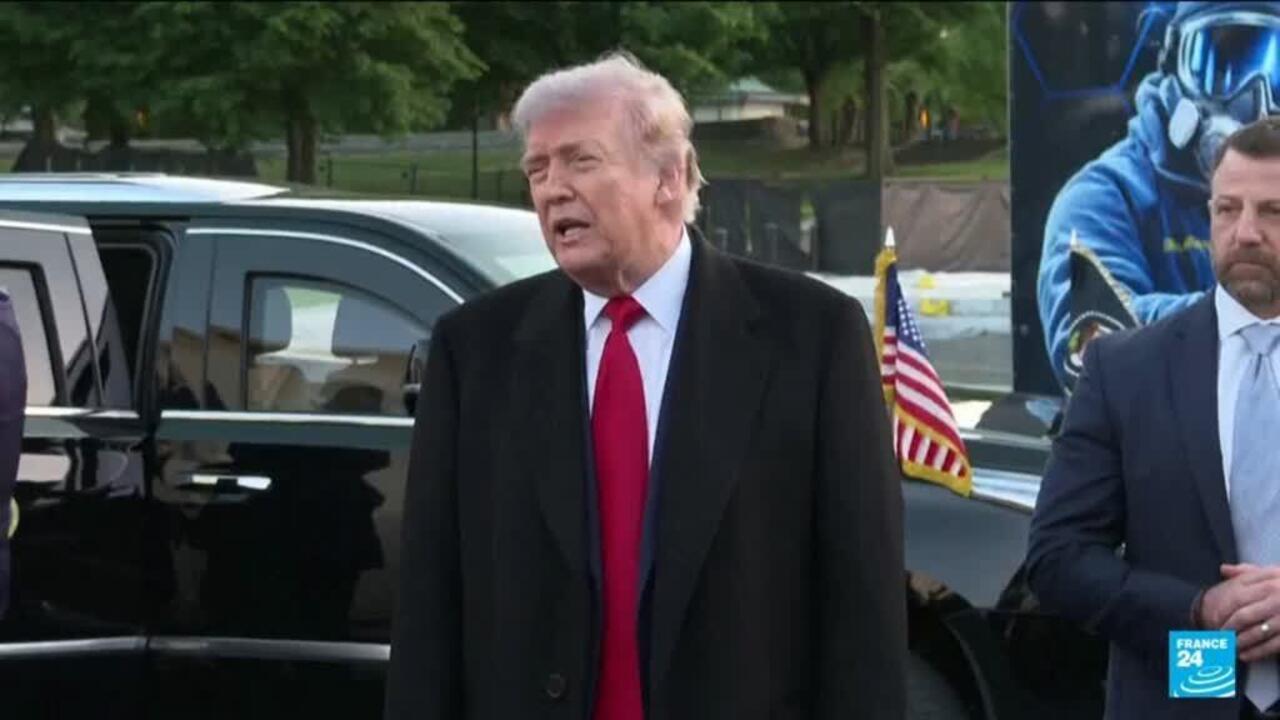
Despite the hostilities, US President Donald Trump has publicly stated that the ceasefire remains in effect. This assertion stands in contrast to the severity of the engagement, creating a complex backdrop where official policy appears to maintain stability even as kinetic events suggest otherwise.
Former US diplomat Donald Jensen has characterised the clash as a "controlled escalation" designed to demonstrate resolve while keeping diplomatic channels open. While this interpretation offers a framework for understanding the event, it remains an analysis rather than an objective fact, and the extent to which this theory holds true versus a breakdown in the truce is not yet fully verified by independent observers.
The incident has sent oil prices spiking, highlighting the immediate economic ramifications of the conflict in a critical shipping lane. This volatility adds further pressure to the diplomatic process, which is already strained by the mutual recriminations between the two powers.
The timing of the exchange coincides with a King Charles state visit to the United States, which is proceeding as planned despite a recent shooting at a White House dinner attended by President Trump. The visit aims to strengthen US-UK relations amid differences over the Iran war, occurring alongside the backdrop of these renewed hostilities in the Gulf.