Tensions escalate in Strait of Hormuz as Tehran condemns Washington's military posture
While President Trump insists a ceasefire remains intact to facilitate talks, new incidents involving a burning cargo vessel and intercepted missiles have intensified the crisis.
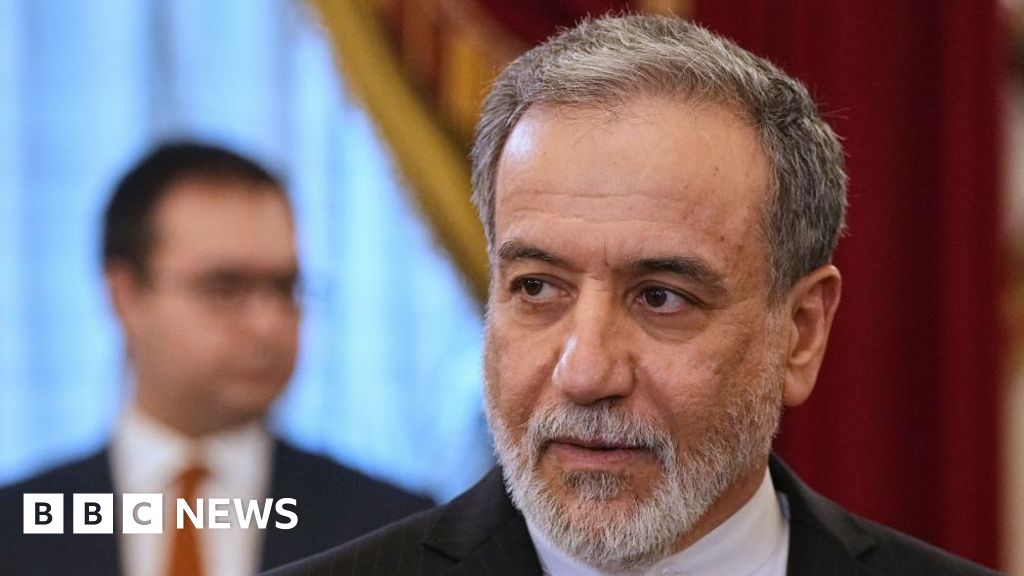
Iranian Foreign Minister Abbas Araghchi has sharply criticised the United States for prioritising military adventurism over diplomatic engagement in the Strait of Hormuz. In a post on social media platform X, Araghchi stated that Tehran would never bow to pressure, suggesting Washington's actions are either a crude tactic or the result of a leader being duped into a quagmire. This diplomatic rebuke comes as both nations exchange accusations regarding recent hostilities in the waterway.
The United States Central Command reported on Thursday that Iran launched an unprovoked attack involving missiles, drones, and small boats against three of its warships. Conversely, Iran's top military command alleged that US forces targeted an Iranian oil tanker and another vessel approaching the strait, alongside conducting aerial attacks on several coastal areas. These conflicting reports highlight the deepening mistrust between the two powers in a region already volatile since the US and Israel launched a military operation in February.
Despite the escalating rhetoric and clashes, US President Donald Trump maintains that the current ceasefire remains intact, asserting that it is designed to enable talks to end the war. Secretary of State Marco Rubio indicated that Iran is expected to respond to US proposals on Friday, expressing hope that the offer is serious. However, the situation on the ground suggests the diplomatic window is narrowing as military incidents continue to occur.
A new flare-up in the region occurred on Friday when a cargo vessel near the waters of Minab was struck and caught fire. Mohammad Radmehr, an official in the southern Hormozgan province, confirmed that ten injured sailors were transferred to hospital while local search teams investigate the fate of the missing crew. This incident adds to the growing list of maritime disruptions that threaten the security of the strait.
The United Arab Emirates also reported intercepting Iranian missiles and drones on Friday, with its air defence systems engaging two ballistic missiles and three unmanned aerial vehicles. The engagement resulted in three moderate injuries, underscoring the direct involvement of regional allies in the conflict. Meanwhile, President Trump noted on Truth Social that the US had destroyed multiple small boats, missiles, and drones, claiming great damage was inflicted on the Iranian attackers.
The stakes remain exceptionally high given that the Strait of Hormuz serves as a critical waterway through which approximately 20 per cent of the world's oil and liquefied natural gas passes. Any significant blockage has historically caused global oil prices to soar, making the stability of this chokepoint a matter of international economic security. As the US maintains a naval blockade of Iranian ports to exert pressure on Tehran, the region braces for further volatility.