Tensions escalate as Tehran deems US port restrictions intolerable, prompting Washington to consider military resumption
Iran has declared the current siege of US ports intolerable, while President Trump has indicated that conflict might resume. Concurrently, local media reports confirm significant casualties from the ongoing Israeli attacks on Lebanon.
Tensions in the region have intensified following a stark declaration from Tehran regarding the status of American maritime interests. Iranian officials have stated that the ongoing siege of US ports is now intolerable, a move that signals a hardening of the nation's stance against current restrictions. This diplomatic and strategic shift comes amidst a volatile security environment where the threshold for escalation appears to be lowering.
In response to these developments, US President Donald Trump has indicated that military conflict might resume. While the President has not confirmed an immediate return to active hostilities, his comments suggest a willingness to consider further military action if diplomatic or coercive measures fail to alter the situation. The use of the word "might" leaves the precise timing and nature of any potential resumption of war open to interpretation, yet the underlying threat remains a central feature of the current geopolitical discourse.
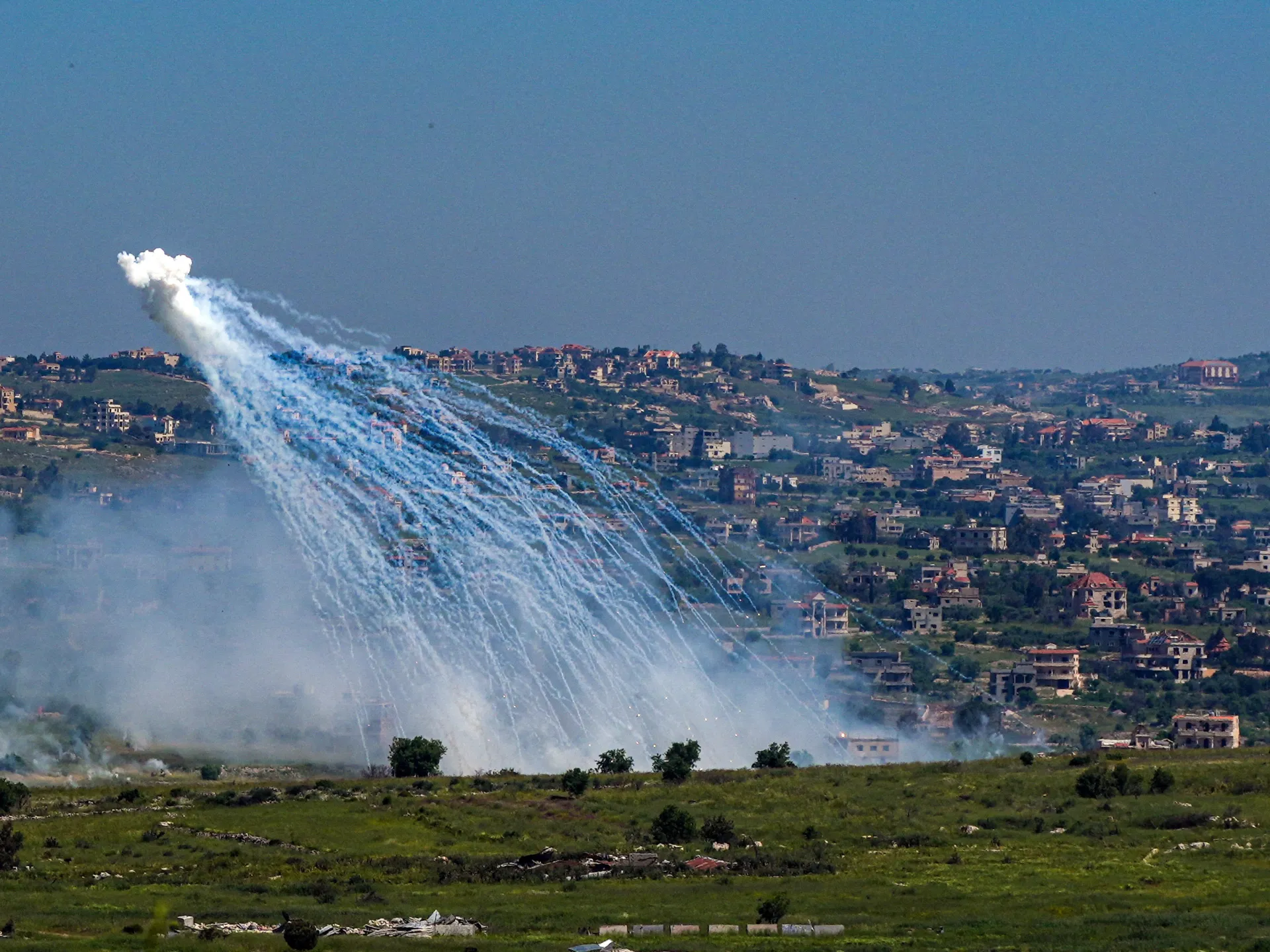
Simultaneously, the human cost of the broader regional conflict continues to mount. Local media reports have confirmed that Israeli attacks on Lebanon have resulted in at least 2,586 deaths and over 8,000 injuries since 2 March. These figures, which represent a cumulative toll over the course of the current reporting cycle, highlight the severity of the ongoing violence and the significant impact on civilian populations in the area.
The attribution of these casualty figures to local media sources introduces a degree of uncertainty regarding their final accuracy. Until these numbers are verified by independent international bodies or official government releases, they should be treated as preliminary data reflecting the immediate aftermath of the attacks. Nevertheless, the scale of the reported injuries and fatalities underscores the gravity of the situation on the ground.
Amidst these security crises, diplomatic efforts continue to navigate the complex landscape of international relations. King Charles' state visit to the United States is proceeding as planned, despite a shooting incident at a White House dinner attended by President Trump. Buckingham Palace has confirmed that the trip, which aims to strengthen US-UK relations amid differences over the Iran war, will include a private meeting with the President and an address to Congress.
The juxtaposition of these events illustrates the multifaceted nature of current global affairs, where high-stakes security threats coexist with efforts to maintain diplomatic channels. As the situation regarding the US ports and the Lebanon conflict evolves, the international community watches closely to determine whether the current rhetoric will translate into further military engagement or if diplomatic avenues can be preserved.