Tehran warns regional states to stay out of US economic campaign
Iran’s Supreme National Security Council has issued a stark warning to neighbouring nations, threatening to treat them as enemies if they align with Washington’s new economic offensive.
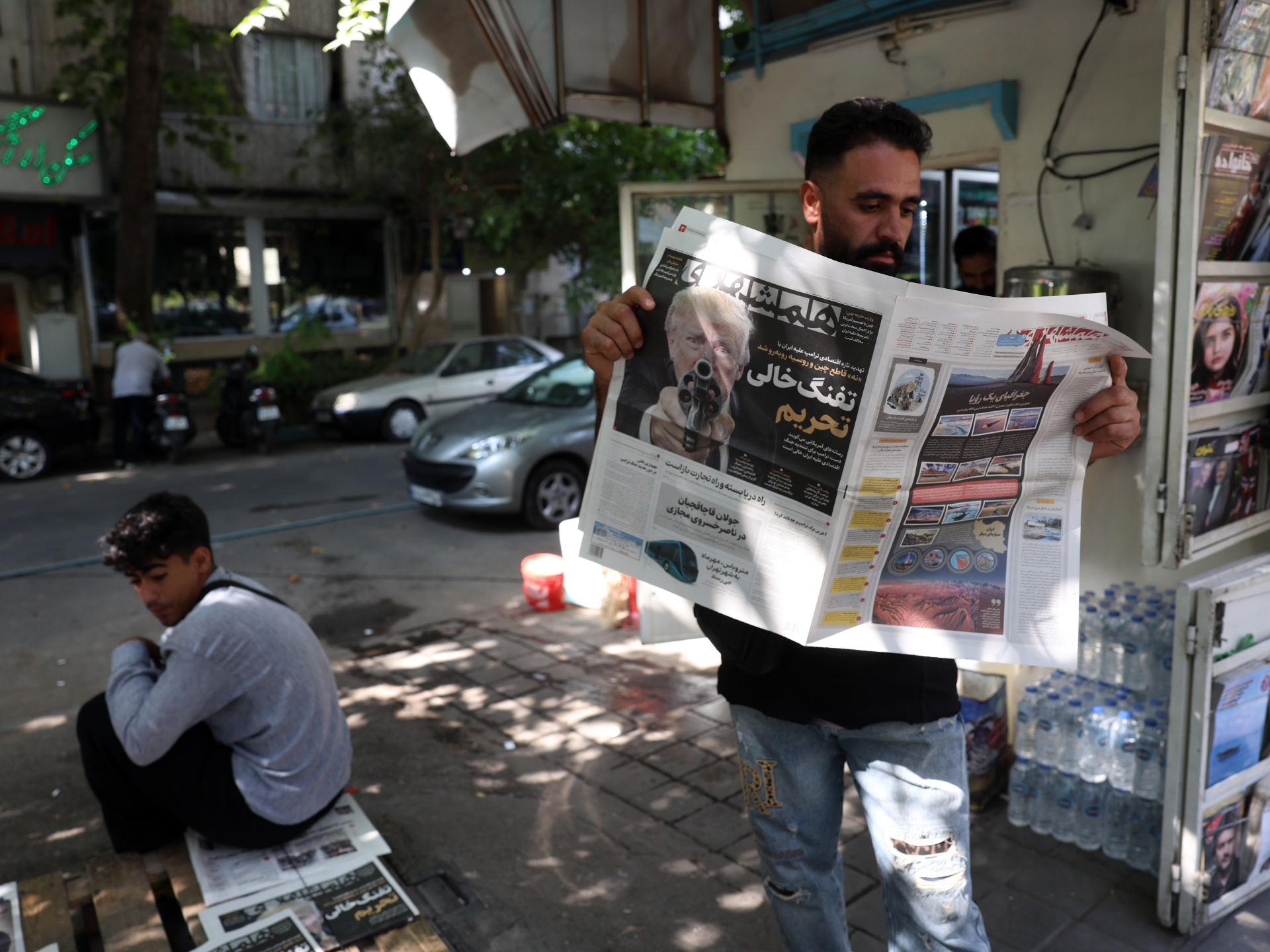
Iran has threatened to classify neighbouring countries as enemies if they participate in a United States campaign designed to cripple the Iranian economy. Mohsen Rezaei, secretary of Iran’s Supreme National Security Council, delivered the warning in an interview with state broadcaster IRIB, framing the issue as a critical test of regional loyalty.
The remarks follow a series of escalating economic threats from the administration of US President Donald Trump. On Wednesday, Trump announced that his government would undertake the “most crushing economic operation” yet against Iran. He pledged “tremendous economic consequences” for any nation providing Tehran with a lifeline, a stance echoed by US Treasury Secretary Scott Bessent, who stated, “You’re either with us or against us.”
Rezaei outlined a three-stage regional strategy in response. The initial phase involves negotiation and de-escalation, followed by diplomatic efforts to separate neighbours from the United States. “First we negotiate. Then, we try to separate them from America with pleasant language, because we are not really looking to expand the war,” Rezaei said. He warned that any states continuing to side with Washington would be given time to reconsider before Iran takes direct action in the third stage.
The geopolitical tension is set against the backdrop of a war that has persisted since 28 February, when the US and Israel launched initial attacks on Tehran. Negotiations to end the conflict have stalled following the failure of a 17 June memorandum of understanding that sought an immediate termination of military operations. Rezaei suggested that the US strategy aims to fracture Iranian society through economic pressure, hoping internal unrest would support American military efforts.
A significant point of contention remains the Strait of Hormuz. Iran shut down traffic through the major shipping lane early in the conflict, causing oil and fertiliser prices to skyrocket. While Middle Eastern countries have begun pursuing substitute trade routes, Rezaei warned that Iran would target these alternative oil-shipping routes if regional states joined the US economic war.
Iran’s Ministry of Foreign Affairs characterised the incoming US measures as an assertion of “extraterritorial sovereignty” over United Nations member states. Additionally, media reports indicate that Tehran is considering widening its target list beyond the Middle East to include US allies in Europe who have supported Trump’s operations.