Tehran residents endure suspended reality as fragile truce stalls reconstruction and deepens economic crisis
With the US-imposed maritime blockade devaluing the national currency and supply chains disrupted, Tehranians face eviction notices and frozen operations amid fears of renewed conflict
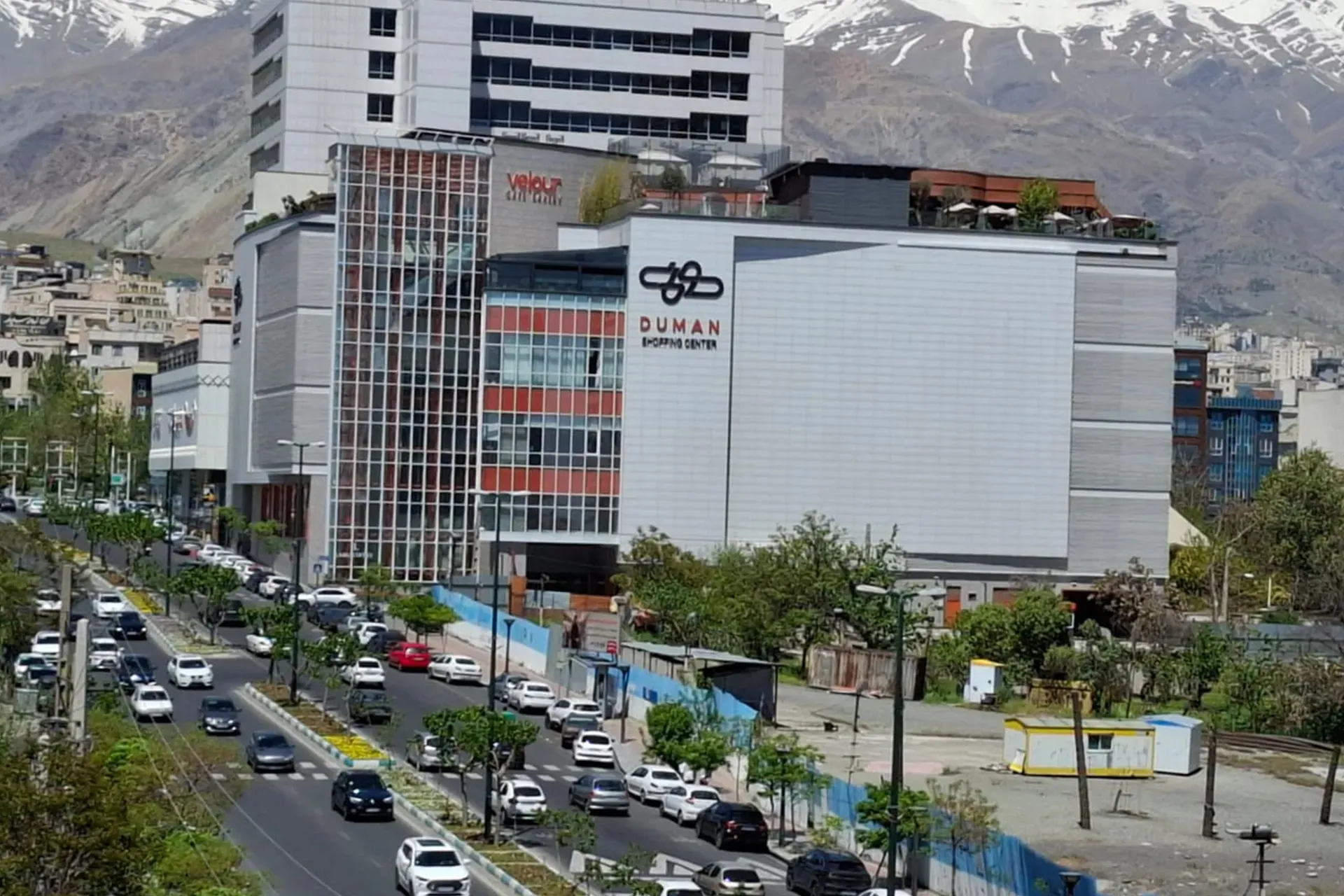
Residents of Tehran are navigating a fragile state of suspended reality following a pause in air attacks between the United States and Iran. While active bombardment has ceased, the absence of bombing does not equate to peace for the capital's population. Completely levelled residential blocks and official buildings remain untouched, creating a landscape where reconstruction is stalled and daily life is defined by uncertainty rather than recovery.
Pakistani-mediated talks have recently facilitated diplomatic movement, sending Iranian Foreign Minister Abbas Araghchi to Islamabad, Muscat, and Moscow. Despite these high-level efforts, the disparity in recovery on the ground remains stark. Authorities have informed displaced residents that they must either rebuild their properties at their own expense or wait for post-war public tenders once a definitive peace is reached. This policy leaves many in limbo, particularly those living in temporary accommodation that is now ending.
For displaced families, the housing crisis has become acute as government-funded temporary housing concludes. Eviction notices have been issued to residents in hotels and similar facilities, with official rental loans described as woefully inadequate for the task. One resident noted that the promised funding does not suit their needs or allow them to live in an apartment resembling their former homes. The psychological toll is compounded by the fear that any new construction could become a target if the conflict resumes.
The economic foundations of the city are trembling under the weight of the US-imposed maritime blockade. The blockade has devalued the national currency and disrupted supply chains, forcing merchants to rely on costly overland routes and a shadow fleet in Gulf waters. Damage to domestic steel companies has further driven up material costs, meaning the price of building a single unit has multiplied in recent months.
Daily price fluctuations for essential goods, including electronics, meat, medicine, and construction materials, are pushing low-income families to the brink. Although government price controls and a longstanding policy of self-sufficiency have prevented mass food shortages, the volatility in other sectors is severe. Businesses are increasingly freezing operations entirely due to logistical nightmares and fears of renewed conflict or stricter sanctions.
The situation remains precarious as the duration and stability of the fragile truce are unclear. Residents express profound anxiety, feeling caught between the wall of fear regarding the resumption of war and the wall of hope for a political path to peace. The current reality is characterised not by active hostilities, but by a state of psychological and economic attrition that threatens to deepen the crisis.