Tehran dismisses Trump’s claim of Iran war deal as ‘speculative’
US President Donald Trump asserts a “great settlement” has been reached to end hostilities, while Iran’s foreign ministry maintains no agreement is finalised amid continued regional strikes and market volatility.
US President Donald Trump has declared that an initial agreement to end the war with Iran is imminent, stating he had cancelled planned strikes and describing the outcome as a “great settlement.” Speaking from the Oval Office, Trump told reporters that a deal ensuring Iran would never possess nuclear weapons had been secured, with documents expected to be finalised and potentially signed in Europe by the weekend. The announcement prompted a sharp decline in global energy markets, with Brent crude oil prices falling 4.4 per cent to approximately $89 a barrel.
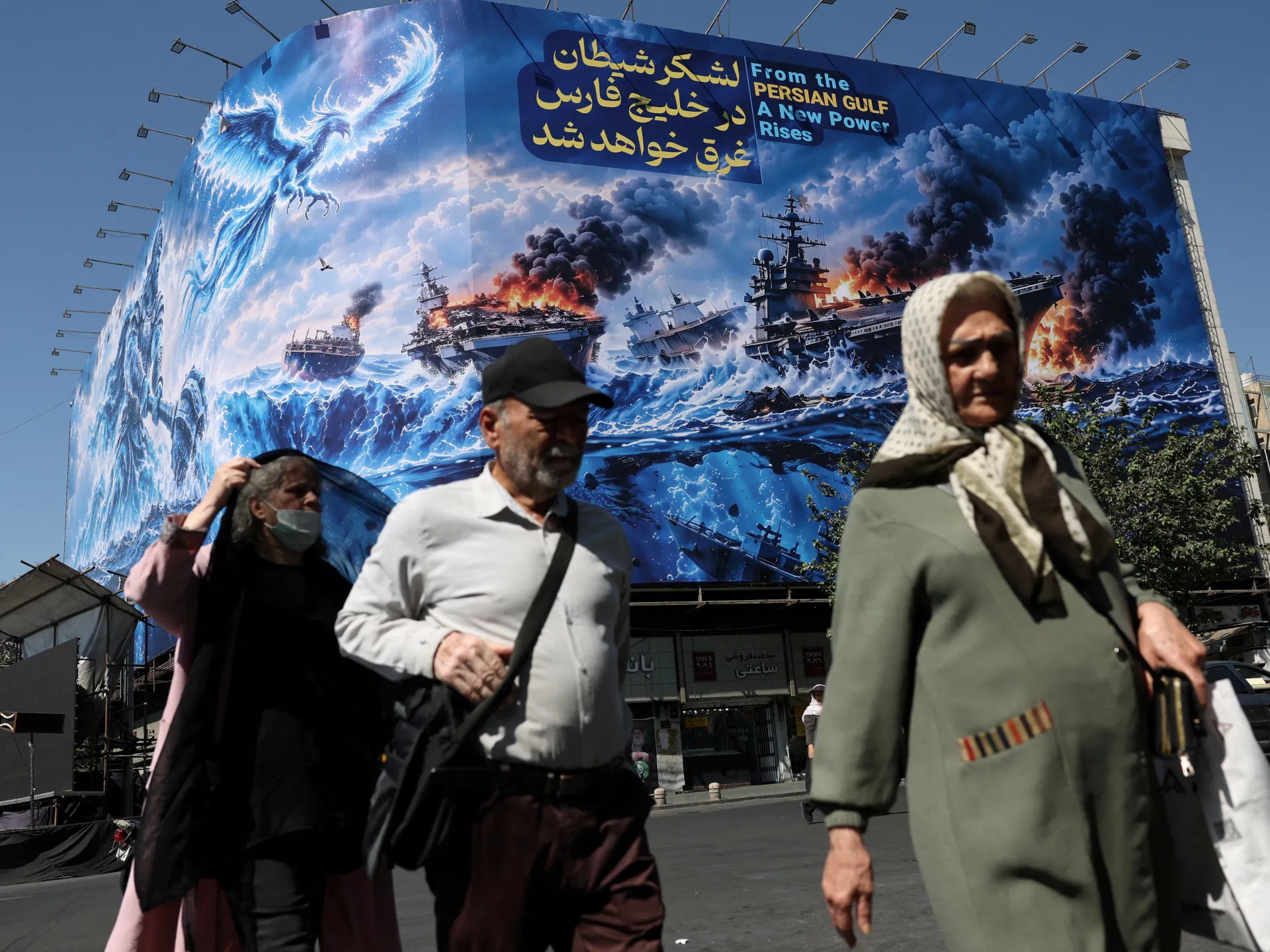
Iran’s foreign ministry swiftly rejected the US claims, with spokesperson Esmail Baghaei telling state television that reports of a deal were “speculative” and asserting that “nothing has been finalised.” Baghaei noted that while the majority of the memorandum’s text had been finalised, the United States had introduced “excessive demands” and new requests that conflicted with Tehran’s red lines. The Iranian government maintained that its military would not depart from its established positions despite the diplomatic overtures.
The conflict, which escalated significantly after the US and Israel launched wide-ranging strikes on Iran on 28 February, has seen intermittent violence persist despite a ceasefire agreed upon in April. Recent hostilities include US strikes on Iranian military sites and Iranian retaliatory attacks on US bases in Bahrain, Kuwait, and Jordan. The Israeli prime minister’s office confirmed a conversation with Trump but clarified that Israel was not a party to the memorandum of understanding, while expressing support for goals including the dismantling of enrichment infrastructure and limits on missile production.
Regional stability remains fragile as the Strait of Hormuz, a critical artery for global oil and liquefied natural gas trade, continues to face threats. Trump stated the strait would open “as soon as we have it signed,” yet Iran’s military has previously warned of severe retaliation against further attacks, suggesting that oil exports would be restricted if infrastructure were targeted. The situation has drawn international concern, with the UN Secretary-General and nations including Pakistan, Russia, China, Turkey, and Saudi Arabia calling for immediate de-escalation.
The human and diplomatic toll of the ongoing conflict continues to mount, extending beyond the immediate belligerents. India summoned a senior American diplomat after three Indian sailors were killed in a US strike on a ship in the Gulf of Oman, an incident India accused of violating its blockade on Iranian ports. As tensions persist, Trump reiterated his commitment to controlling oil and gas markets, while Iranian negotiators warned that impulsive decisions could lead to an “endless quagmire” for the United States.