Tehran claims missile strike on US destroyer in Strait of Hormuz
The incident has triggered market volatility and heightened diplomatic tensions between Washington and Tehran
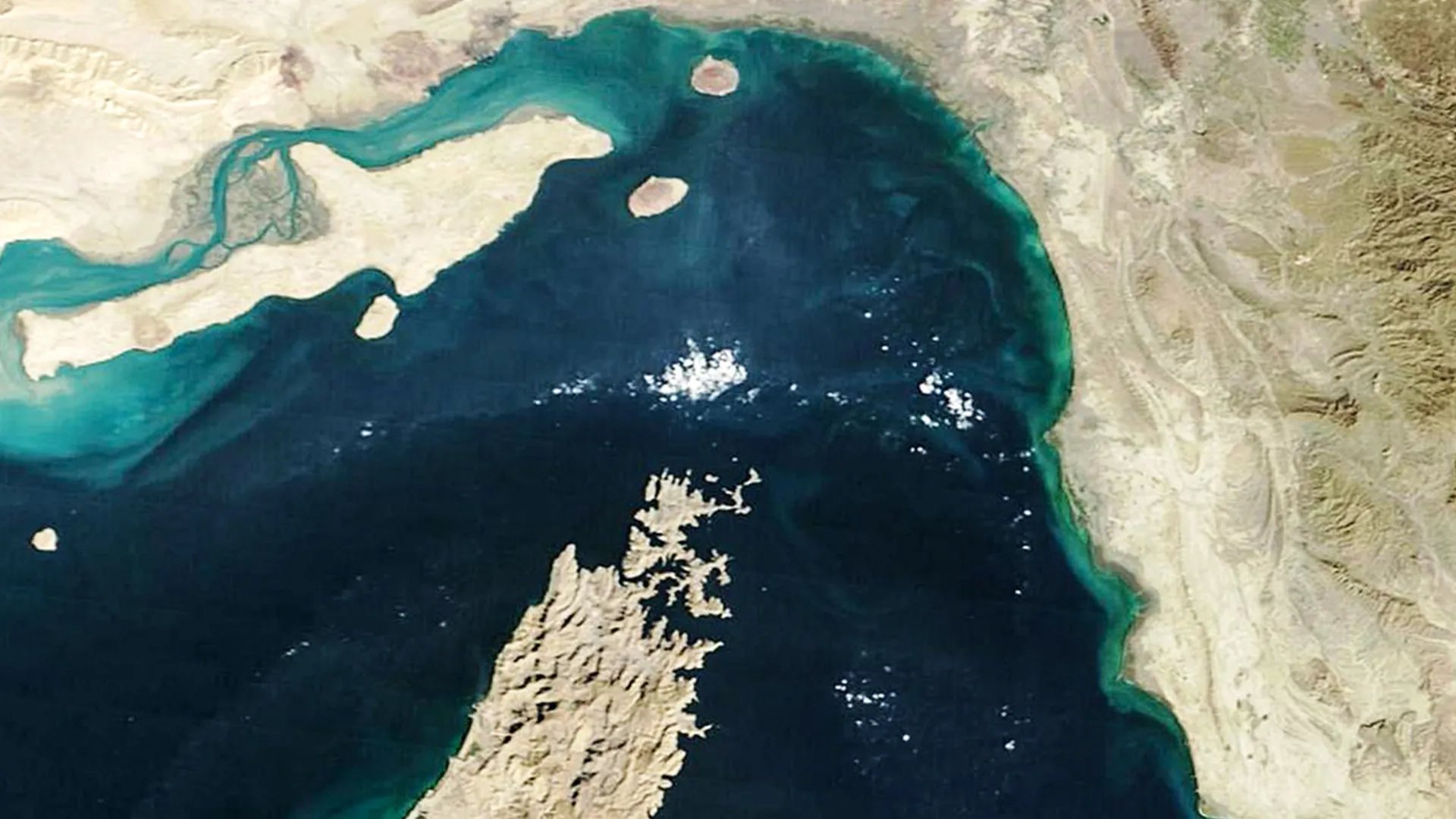
Iranian state media has reported that two missiles were fired at a US Navy destroyer attempting to enter the Strait of Hormuz. Tehran characterised the strike as a preventative measure designed to stop the vessel from entering the strategic waterway. The report identifies the target as a US Navy destroyer, though the specific identity of the ship has not been confirmed in independent verification.
This assertion marks a significant escalation in regional security dynamics. The Strait of Hormuz remains a critical global maritime chokepoint for commerce, and any disruption to the flow of goods through the channel carries substantial economic implications. The incident has already triggered a market reaction, with US stock futures slipping due to fears of broader regional escalation.
The reported missile strike occurs against the backdrop of heightened diplomatic friction between the two nations. Iran had previously issued formal warnings to the US Navy prohibiting vessel entry into the strait. These warnings were reportedly issued in response to an announcement from the Trump administration regarding the guidance of stranded ships through the waterway, a policy stance that Tehran has opposed.
While Iranian sources claim the warship was struck and turned back, a US official has denied these reports. The narrative relies heavily on the perspective of the Iranian government, which may be biased or incomplete regarding the tactical situation. Consequently, the precise outcome of the strike, including any damage sustained by the vessel, remains unverified by independent sources.
The timing of the incident coincides with other significant geopolitical developments. On 27 April, King Charles III and Queen Camilla began their state visit to the United States, an itinerary that Buckingham Palace confirmed would continue despite a separate security incident involving President Donald Trump. The juxtaposition of these events underscores the complex and volatile nature of current international relations.
The Financial Times noted the direct link between the administration's maritime security stance and the deterioration of relations. As the US administration continues to focus on maritime security in the Gulf, the gap between official Washington positions and Tehran's actions widens. This divergence suggests that diplomatic channels remain strained as both sides navigate the risks associated with the Strait of Hormuz.