Teenager stranded in Rome exposes flaws in Home Office passport enforcement
The incident, which saw a British girl miss six weeks of school, has drawn sharp criticism from her father and local MP, who describe a system that prioritised procedure over welfare.
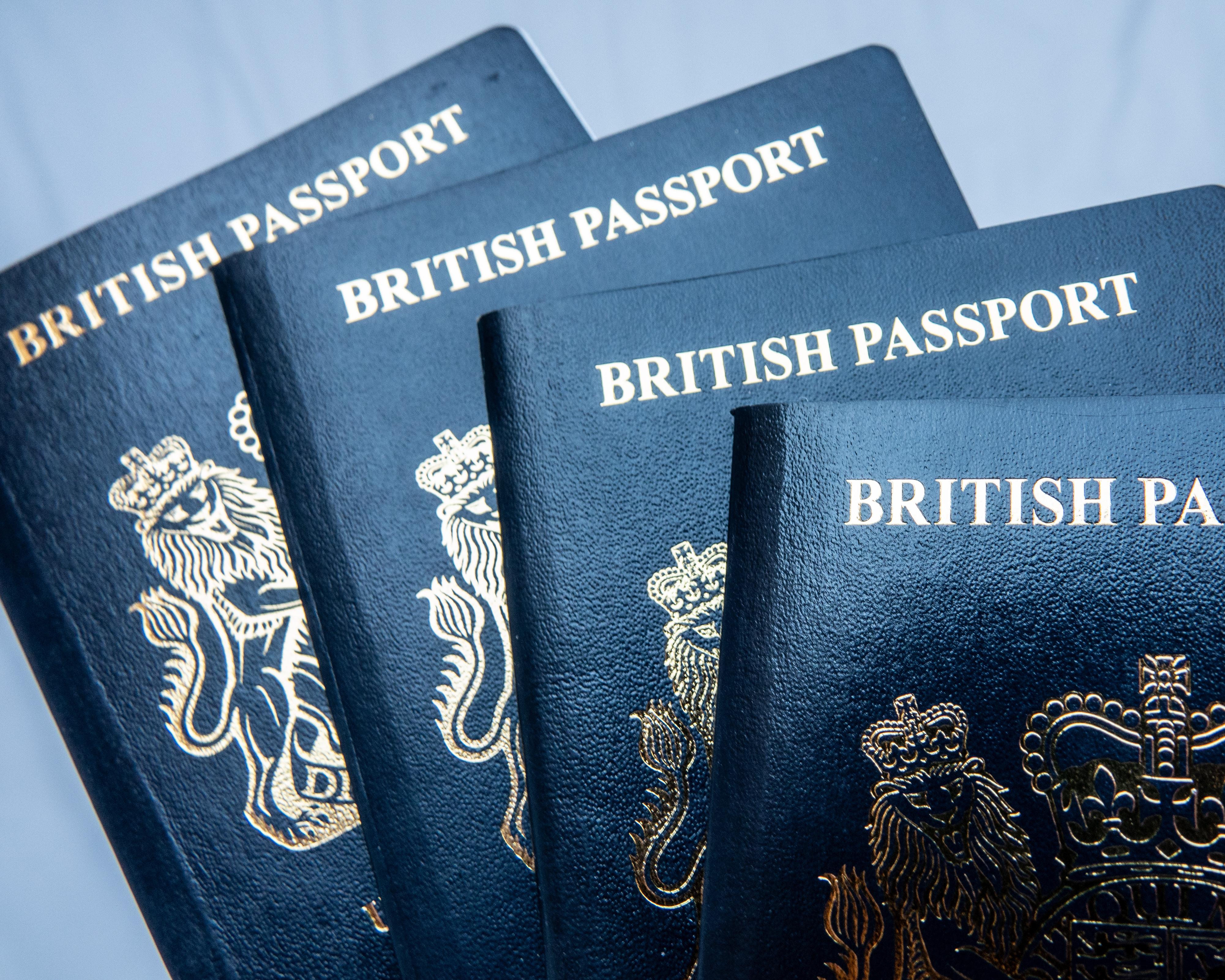
A 15-year-old British dual national has been stranded in Rome for six weeks after being denied boarding on a flight to the United Kingdom, sparking renewed scrutiny of the Home Office’s new passport enforcement rules. The teenager, who was visiting her grandmother in Italy, was prevented from returning to her school in the UK because she did not possess a valid British passport or a certificate of entitlement, documents now mandatory for dual nationals under policy introduced in February.
The new regulations, implemented by the Labour government, require carriers to verify British citizenship before boarding flights, trains, or ferries. Failure to present a valid British passport, an expired one, or a £589 certificate of entitlement attached to a second nationality’s passport can result in denied boarding. The Home Office stated that without these documents, carriers cannot verify citizenship, which may lead to delays or refusal of entry.
Rowan Somerville, the girl’s father, described the process as a “bureaucratic nightmare,” noting that the family was passed between the embassy, the Home Office, and the Foreign, Commonwealth and Development Office (FCDO). Somerville reported being blocked from speaking to officials after his daughter turned 16, despite having engaged with 14 different people within the Home Office. He criticised the department’s handling of the case, stating they were “playing with people’s lives” and his daughter’s education.
Local MP Joe Powell intervened on behalf of the family, writing to the immigration minister, Mike Tapp, to address the systemic failures. Powell highlighted that despite having a British parent and two valid passports, the teenager was left stranded due to the new rules. He praised the frontline staff at the Passport Office for their kindness but condemned the wider departmental response as lacking intelligence and manpower efficiency.
The Home Office dismissed claims of poor communication as “absurd,” citing information published on the gov.uk website. A spokesperson confirmed that an emergency travel document was issued in May, allowing the girl to return to the UK, and that her British passport was issued within eight days after checks were concluded. However, the department did not comment on the impact of the policy on the minor’s education or the six-week delay.
Somerville noted that securing the actual British passport took an additional three months, significantly longer than the three-week turnaround advertised on government websites. He described hitting a “wall of stupidity” after initial customer service interactions, arguing that the department should focus its efforts on resolving real cases rather than engaging in circumlocution.
Other cases have emerged, including a young British woman stranded in Spain and children returning from Denmark, suggesting the issue is not isolated. The FCDO has been approached for comment regarding the incident, while the girl’s school had previously written to government departments expressing concern over her prolonged absence from education.
The teenager has since returned to the UK and resumed her schooling. However, the incident has raised serious concerns about how government departments communicate policy changes and support individuals who may slip through the regulatory net.