TechCrunch review questions viability of $300 Bartesian Duet cocktail machine
A recent assessment of the Bartesian Duet highlights the gap between convenience and quality, suggesting the device is better suited for specific venues than home bartenders.
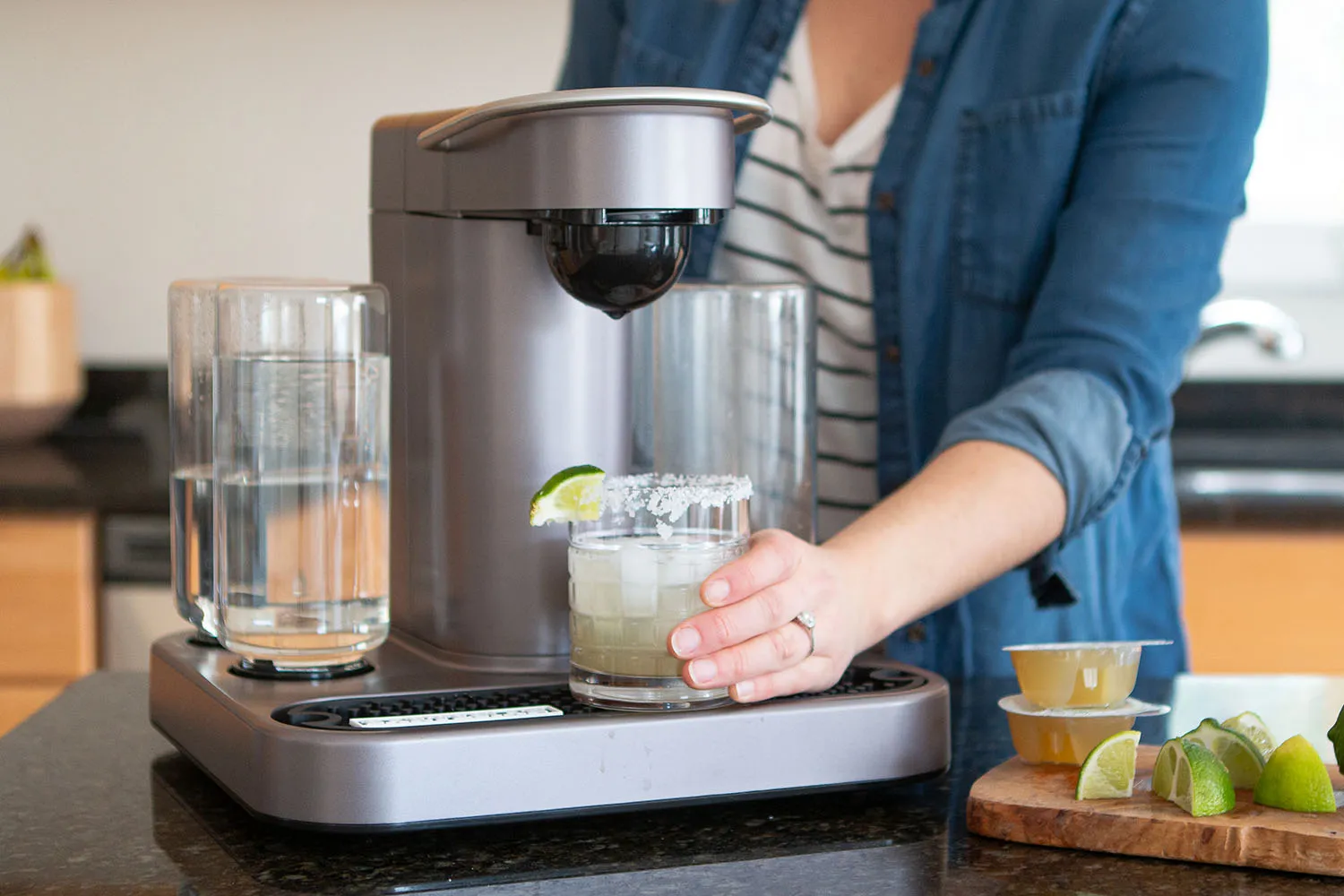
TechCrunch has published a review of the Bartesian Duet, a $300 automated cocktail machine that operates on principles similar to single-serve coffee systems like Keurig or Nespresso. The device utilises user-provided spirits alongside proprietary capsules containing hyper-concentrated, non-alcoholic flavour mixes to produce a range of alcoholic beverages.
The machine functions by scanning a barcode on the capsule to identify the required spirit, allowing users to add between one and four types of liquor. Drink strength is controlled by adjusting the volume of water used to dilute the concentrate. The system includes a high-quality shaker for cooling the mixture with ice before it is poured into a glass.
Despite the mechanical convenience, the review raises significant questions regarding the product's value proposition. Critics point to the high cost of the proprietary capsules, which retail at approximately $2.50 each, and the machine's substantial footprint, which may be prohibitive for typical kitchen counter space.
Taste profiles also drew mixed reception. Reviewers noted an artificial quality in many of the drinks, particularly those relying on non-alcoholic approximations of complex liqueurs such as crème de violette and maraschino. While some users found improvements by adding seltzer or lemon juice post-mixing, this requirement was viewed as counter to the convenience of the automated system.
The assessment suggests the Duet is not intended for dedicated cocktail enthusiasts who prefer fresh ingredients. Instead, potential use cases include party hosts without professional bartenders, beach houses, retirement homes, or co-working spaces where the novelty and ease of service may outweigh the cost and taste limitations.
While one previous review by a TechCrunch colleague praised the unit's margaritas, indicating varied user experiences, the prevailing sentiment questions whether the investment in hardware and consumables justifies the output for the average consumer.