TechCrunch podcast argues Kimi panic masks protectionist lobbying by US AI giants
Reported lobbying by OpenAI and Anthropic against open-weight Chinese models raises questions about whether restrictions serve national security or corporate competitiveness.
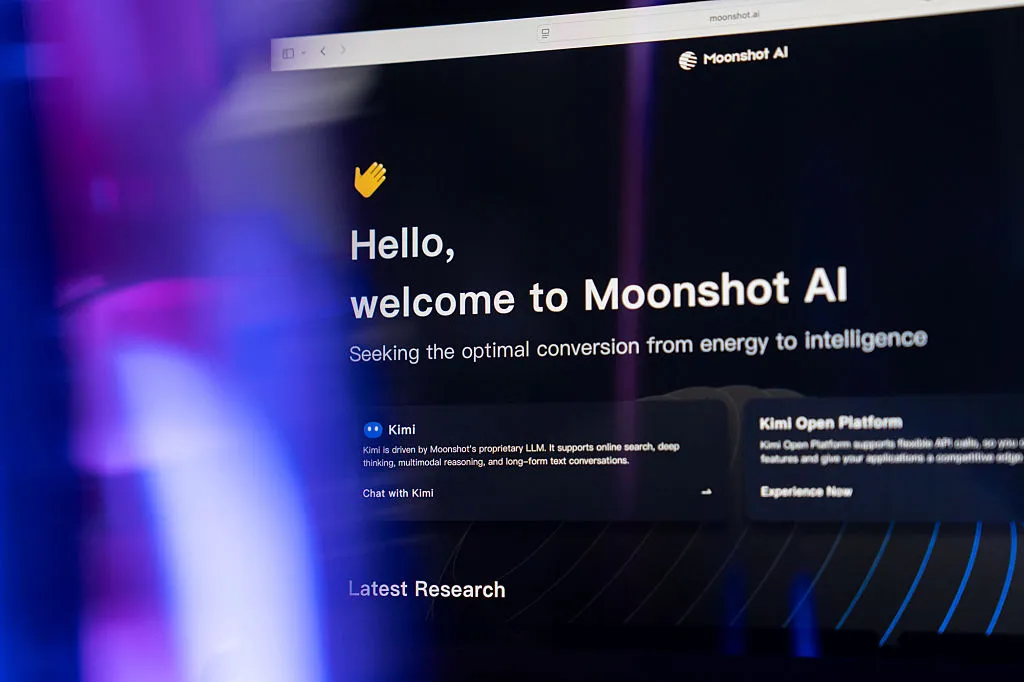
The launch of Moonshot AI’s Kimi model has reignited intense debate regarding the competitive landscape of artificial intelligence, with TechCrunch’s Equity podcast characterising the reaction from Silicon Valley and Wall Street as a protectionist "freakout" rather than a response to genuine security risks. On the latest episode, hosts Kirsten Korosec, Sean O’Kane, and Anthony Ha analysed why the release of the Chinese model triggered such disproportionate anxiety, suggesting the hysteria mirrors previous industry responses to advancements such as DeepSeek.
The discussion highlighted reported lobbying efforts by US-based giants OpenAI and Anthropic against open Chinese models, with concerns being raised with regulators in Washington, D.C. The hosts noted that the debate is not merely about technological capability but touches on broader geopolitical tensions, drawing parallels to past debates surrounding TikTok. They argued that the addition of "China" to any technological discussion often amplifies fear levels beyond what the substantive risks might warrant.
Sean O’Kane pointed to specific examples of industry overreaction, such as social media claims that Kimi had created a full replication of macOS in 30 minutes. He clarified that the model had merely produced a graphical reproduction of the operating system’s interface, not the system itself. O’Kane described the tech industry as "jumping" and expecting every new arrival to "blow everything else away," noting that the panic subsided quickly once the initial shock wore off.
Kirsten Korosec referenced a report by TechCrunch reporter Tim Fernholz that unpacked the "psychosis" around Chinese AI in the United States. While acknowledging concerns about implicit bias and security guardrails, she argued that protectionism is a primary driver of the fear. She questioned whether heavy restrictions on Chinese models would truly accelerate American competitiveness or simply ensure that specific US frontier labs maintain their market dominance over competitors like Kimi.
The conversation also addressed the role of OpenAI executives in shaping the narrative. Dean Ball, head of strategic futures at OpenAI, initially posted arguments suggesting the creation of regulatory fear, uncertainty, and doubt (FUD) to hinder open-weight Chinese models. Although Ball later backed away from this stance, the hosts noted that his comments sparked significant disagreement and backlash, with many in the industry feeling that such strategic manipulation of regulation should not be stated so openly.
Despite the heated discourse, the podcast concluded that restrictions on Chinese open-weight models would primarily benefit US companies by reducing competition, rather than ensuring national security. The hosts suggested that some industry figures use the threat of Chinese superiority to argue for their own preferred regulatory positions, such as opposing data centre restrictions or excessive regulation, framing the issue as a binary choice between American victory and foreign dominance.
The analysis underscores the tension between open-weight and proprietary AI models, with some arguing that proprietary US models are necessary for safety and control. However, the prevailing view from the Equity hosts is that the current climate is driven more by competitive anxiety and protectionist sentiments than by a clear-eyed assessment of the technological or security realities presented by models like Kimi.