Taliban officials dispute rights claims as Afghan women report systemic abuse and education bans
Amir Khan Muttaqi cites increased female entrepreneurship and school attendance, contradicting reports of total educational exclusion and maternal mortality spikes.
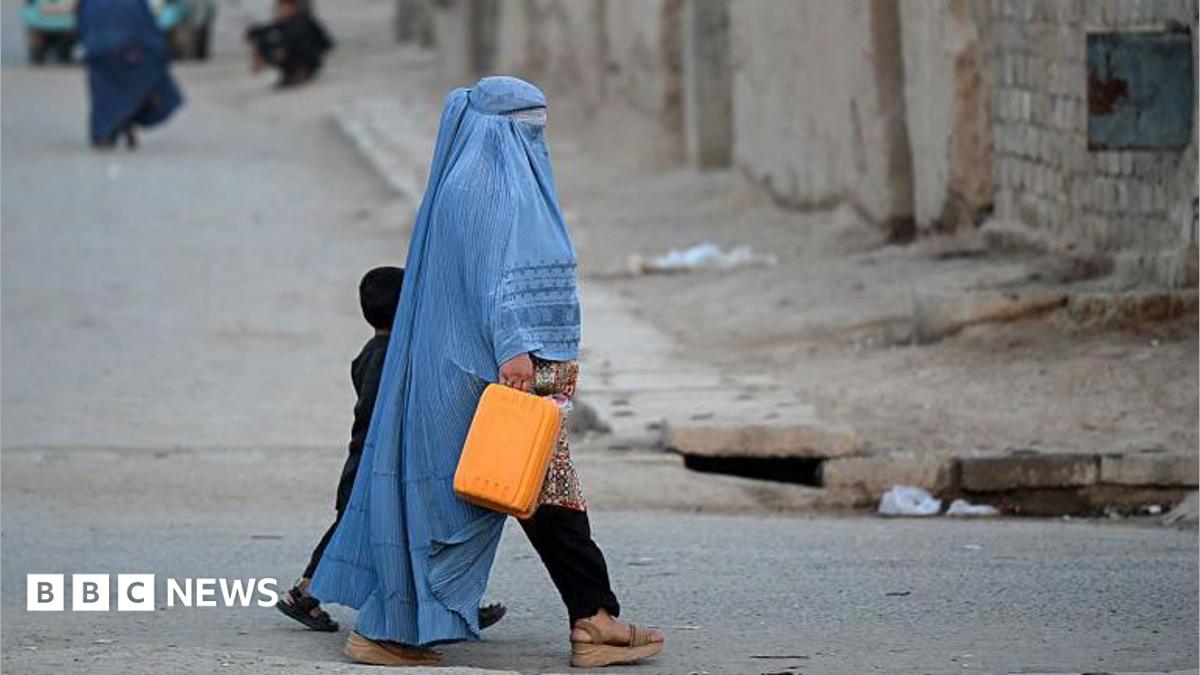
Five years after the Taliban retook power in Afghanistan, women and girls report that their lives have become unrecognisable under the hard-line Islamist regime. The group has systematically eroded the rights of the country’s 22 million women since regaining control in 2021, implementing bans on secondary and higher education for girls over the age of 12, restricting travel without a male chaperone, and enforcing laws that imply legal approval for child marriage.
Taliban Foreign Minister Amir Khan Muttaqi disputed the extent of these restrictions during an interview with the BBC, stating that women are not totally restricted in all walks of life. He claimed that three million girls currently attend schools and madrassas, and argued that only a small part of women’s affairs is restricted until further notice. Muttaqi also highlighted an increase in female entrepreneurs from 30,000 in 2020 to 120,000, asserting that women continue to serve as teachers, civil servants, and business owners.
These official figures stand in stark contrast to United Nations data, which indicates that only 7% of women in Afghanistan are employed. The BBC, one of the few media organisations maintaining access to the country, interviewed women across Kabul and rural areas who described systemic barriers to healthcare, forced child marriage, and severe physical abuse. Many interviewees used pseudonyms due to fear of reprisals.
Personal accounts highlight the severity of the crackdown. Shakiba, who completed her secondary education online, described the loss of her dream to become a pilot as a new feeling of defeat. News anchor Zuhal recounted being dismissed from her job, noting that her professional identity had been stripped away. Meanwhile, 13-year-old Asma expressed hope to become a doctor, urging patience and resilience despite the current educational bans.
The regime has also resumed public corporal punishments, with official records confirming hundreds of floggings since 2021. Shaima reported being whipped 50 times in public for alleged apostasy and collaboration with infidels, an event that traumatised her family. Manizha was lashed 39 times and jailed for her relationship with a man, describing her time in prison as a source of shame and despair.
Healthcare restrictions have further endangered women’s lives, particularly regarding maternal health. Midwife Marzia recounted the death of a 45-year-old mother of six, who died because she could not be treated by male doctors. Maryam, who is expecting a baby girl, expressed fear that her daughter will lack access to female medical care during childbirth, describing the situation as a matter of life and death.
Despite the hardships, some women continue to seek economic independence. Noori, a former law student, now works at a jam-making company and aims to establish her own business to employ other women. Ela, a dental assistant, urged the international community to maintain solidarity and support Afghan women’s rights to education and work, warning against silence in the face of ongoing rights erosion.
Afghanistan remains the only country in the world where girls are officially banned from secondary and higher education. The Taliban, which previously ruled from 1996 to 2001, re-gained control two decades after being removed by a US-led military coalition. The current restrictions mark a significant regression in women’s rights, with survival becoming the primary concern for many families overwhelmed by poverty and daily hardships.