Taliban governance report reveals strict controls and economic strain five years after return
A two-year BBC investigation into the Taliban’s rule highlights expanding restrictions on women, a new smartphone ban for officials, and persistent poverty across Afghanistan.
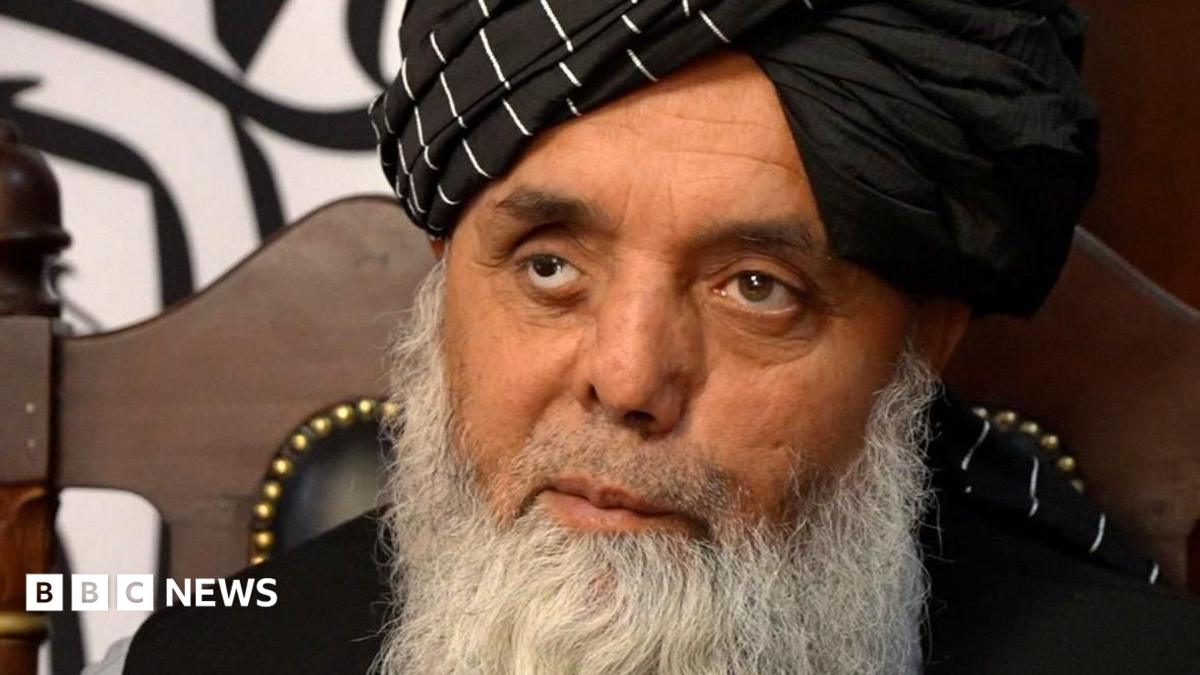
Five years after the Taliban regained power in Afghanistan in 2021, a new investigative report by the BBC offers a detailed look at the group’s governance structures and daily administration. Compiled over two years of encounters with senior officials, former fighters, and citizens, the report provides insight into how the movement has reshaped the country since ousting the US-backed government.
The investigation highlights significant restrictions on women, who are currently banned from secondary education and universities, and may not travel alone or visit parks and leisure centres. In one notable instance, Governor Abdullah Sarhadi of Jawzjan province described women as "mindless" and "deficient in intellect" during a divorce hearing, a comment that drew laughter from surrounding male officials. Under the current Sharia law interpretation, women seeking divorce may be required to return some or all of the financial support given to them at marriage.
Administrative controls have also tightened within the Taliban’s own ranks. A recent ban on smartphones for officials has been implemented, which Governor Sarhadi noted has slowed administrative communication. He stated that the restriction makes it difficult to send documents and receive quick answers, adding that discussing the ban further "will cause trouble."
The report features interviews with key figures who have transitioned from insurgent roles to government positions. Habibullah Badr, currently on medical leave but previously the deputy head of prisons, confirmed he was responsible for the operations of suicide attackers in Kabul during the insurgency. Meanwhile, Taliban government spokesman Zabihullah Mujahid, who publicly revealed his real name as Tahir Shah Seddiqi for the first time, defended the government’s policies as being based on Sharia law.
Economic instability remains a critical issue, with the United Nations reporting that three in four Afghans cannot meet their basic needs. In the southern city of Kandahar, which some consider the de facto capital, restrictions have intensified to the point where men are required to have beards, and radio stations are prohibited from playing music or broadcasting women’s voices.
While the Taliban’s supreme leader, Hibatullah Akhundzada, was not available for interview, the report suggests a governance model that mirrors the hard-line interpretation of Sharia law imposed by the group in the 1990s. Officials continue to assert that they are working to tackle poverty and unemployment, yet citizens report ongoing challenges with water, roads, and healthcare in deprived areas.