Taliban crackdown in Herat and smartphone ban signal regime anxiety ahead of five-year mark
Detentions of women, lethal force against demonstrators, and orders for officials to destroy mobile devices reflect a tightening grip on a population that analysts say is growing disillusioned.
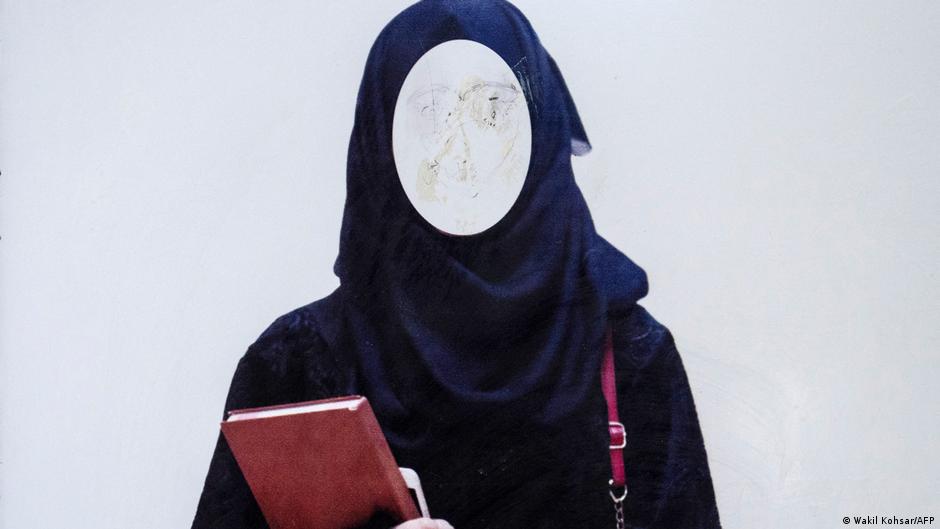
In early June, Taliban authorities in the western city of Herat detained at least 30 women over alleged violations of dress-code rules, sparking protests in the Injil district. The unrest, which occurred in a predominantly Shiite area of the city, was met with lethal force by Taliban security forces. According to the UN Assistance Mission in Afghanistan (UNAMA) and human rights groups, the crackdown resulted in the deaths of at least two people, including a child, and injured more than 20 others. The regime has rejected reports of the arrests and the subsequent violence.
The violent suppression of the protests coincided with a separate directive ordering government officials and employees to cease using smartphones. Videos circulating online appeared to show Taliban members destroying their devices in compliance with the order. This measure targets the primary tool used by citizens to document abuses and share evidence with international media and rights groups, indicating a regime effort to control information flow as much as public behaviour.
Analysts and former officials suggest these coordinated clampdowns reflect deep anxiety within the Taliban leadership as they approach the five-year anniversary of their return to power in August. Mohammad Osman Tariq, a religious scholar and deputy head of the Afghan Ulama Research Council, argued that the restrictions are driven by a desire to preserve power rather than religious observance. He noted that the regime views any form of protest or independent communication as a direct threat to its existence.
Former Afghan member of parliament Shinkai Karokhail linked the repression to the regime’s failure to provide public services or create employment. He stated that the Taliban fear a potential public uprising due to widespread disillusionment among the population. Karokhail described the targeting of women as a strategy to intimidate the broader society, noting that the regime uses force to silence voices amid its inability to meet basic public needs.
The crackdown occurs against a backdrop of reduced international pressure compared to 2021. While Russia has officially recognised the Taliban authorities, other nations maintain practical engagement without formal recognition. Ex-diplomat Nigara Mirdad observed that while global attention has shifted to other crises, the events in Herat demonstrate that the Taliban’s control is not synonymous with legitimacy, even as they tighten their grip on public life.